
Archipelagos

  • English
  • Ελληνικα
Who We Are
The TeamThe Team
Research BasesResearch Bases
Research BoatsResearch Boats
Our EquipmentOur Equipment
PartnersPartners
SupportersSupporters
Fields of Action
Marine ConservationMarine Conservation Fisheries Shipping Risks Seagrass Meadows Coralligene Conservation Littoral Ecosystems Invasive Species Jellyfish Sea Turtles
Marine MammalsMarine Mammals Dolphins and Porpoises Whales Seals
Terrestrial ConservationTerrestrial Conservation Island Fauna Forests & Flora Freshwater Ecosystems Aegean Seed Bank
Laboratory ResearchLaboratory Research Microplastics Water Analysis Soil Quality
Projects
Aegean Marine Life Sanctuary
Eco-Navigation
FIsh4Life
Save the Aegean
Join Us
Internships in the Aegean
Remote Internships
Interns Experiences
Field Courses
News
Planting Underwater Gardens of Posidonia seagrass- a new innovative planting process
Aegean Islet Conservation Project in cooperation with the University of Toronto’s Faculty of Architecture
Mutilated Striped Dolphin Stranded on the shores of Samos Island
Posidonia Seagrass Fruits Wash up on Our Shores – A Rare Phenomenon
View All...
Contact us
Publications
Videos
Awareness Material
Donate
Menu

Major environmental threat to the Mediterranean due to UN decision

Major environmental threat to the Mediterranean due to UN decision

by Archipelagos / Monday, 10 February 2014 / Published in Marine Conservation, Press Releases

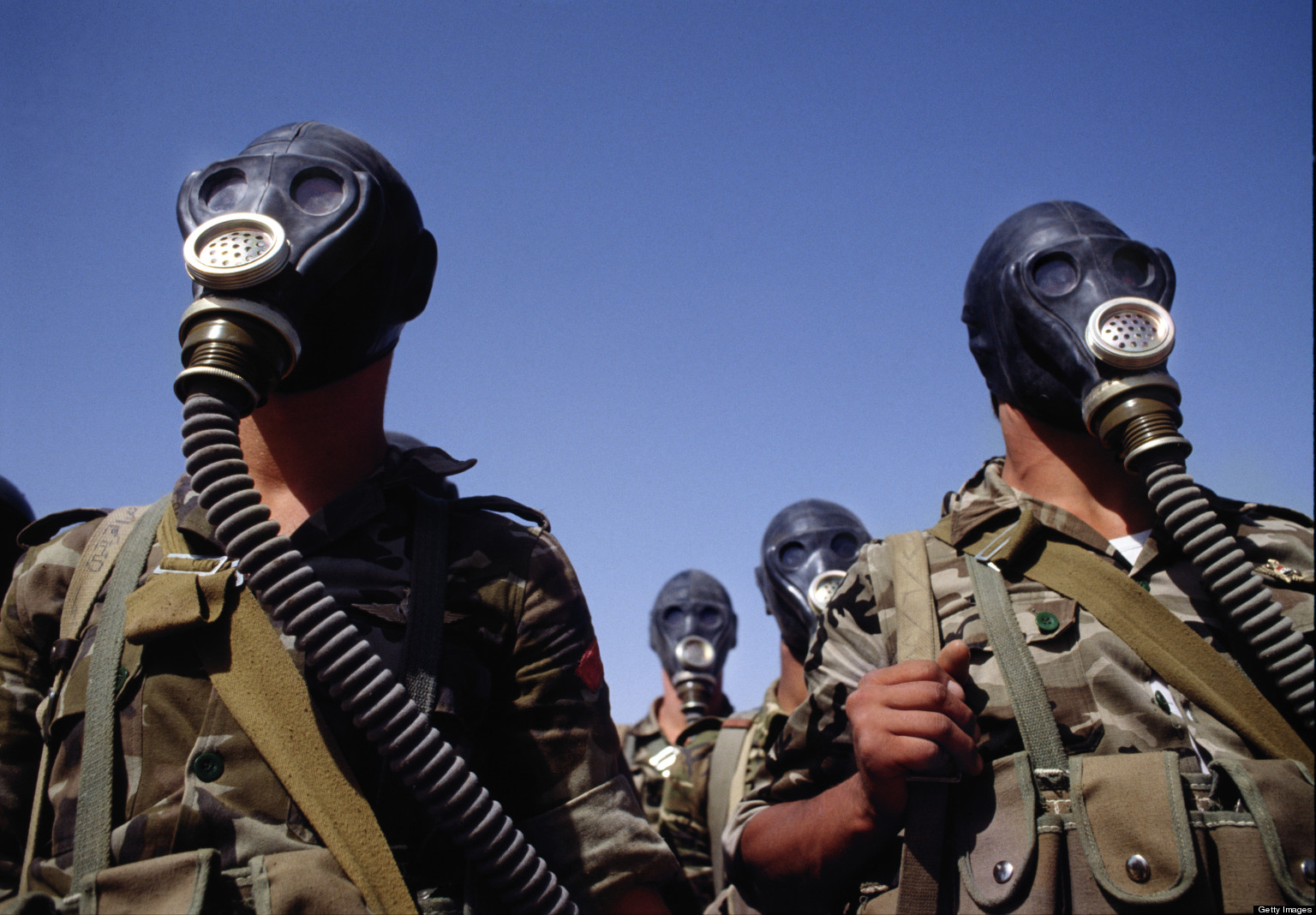
At any given moment, the destruction of Syria’s chemical weapons stockpile may occur, in the heart of the Mediterranean, between Crete and Sicily. The whole process is implemented with legal coverage in accordance to relevant UN decisions-an organization that is allegedly an independent peacemaker, but is actually known to be controlled by the same members who market these dangerous chemical weapons, such as the U.S., Russia, China and France; countries which are also permanent members of the UN. It must be noted that countries like France, Germany, Norway, Belgium and Albania, which have facilities to deal with such dangerous waste, have not permitted the destruction of these chemical weapons within their territories due to lack of appropriate infrastructure.  However, all of a sudden, their destruction is deemed safe aboard a moving fleet in international waters, where control is virtually impossible.

The UN, with legal cover-up, disregards a number of international conventions for the protection of the marine environment and public health (from which exemptions are made for military operations), ignoring the precautionary approach, and attempts to enforce a dangerous precedent in the Mediterranean, states Anastasia Miliou, research director of the Archipelagos Institute of Marine Conservation in Greece. The selection of this dumping site was not made arbitrarily, since Mediterranean countries are currently dealing with a severe economic crisis and are under the control of weak governments.  Therefore people are less likely to react. And now, apart from the crisis, these nations must also deal with the serious environmental threat posed by the dispersal of dangerous chemicals by sea currents, throughout the semi-enclosed Mediterranean Sea.

Of course the UN and the Organisation for the Prohibition of Chemical Weapons provide reassurance towards the environmental safety of the hydrolysis method to be used for the destruction of the chemical weapons. However, Archipelagos Institute and numerous other experts are highly concerned about the potential hazards of such a complex destructive process.  Not only has this type of procedure never been carried out before, it is also the first time these chemicals will be used to such an extent in the highly unstable marine environment. This does not even take into account the consequences marine life might face due to the possible dumping of liquid waste produced during the process.

As mentioned by Dr. Gidarakos, Professor at the University of Crete (Laboratory of Toxic and Hazardous Waste Management), “It is contradictory to demand detailed environmental impact assessments and public consultations before authorising the construction of a simple sewage treatment plant, while carrying out major operations such as dangerous chemical waste treatment, under unclear procedures, with media as the only source of information for national authorities, is considered adequate”.

Time is pressing. Our response has to be immediate, as according to reports, two ships loaded with chemical weapons are already en-route; one is currently in Cyprus and the other in Italy. Archipelagos Institute requests immediate action by the Greek , Italian and European authorities and aims to motivate international scientific and environmental organisations to help annul this procedure, until either a) an alternative plan to destroy the chemical arsenal in appropriate on-land facilities is found, or b) the possibility for supervision of the procedure is provided by impartial scientific experts from neighbouring countries, who will ensure the safety of the marine environment. The imminent threat of further destruction of the highly sensitive Mediterranean ecosystems, which have already been under great stress over the last few years, must be prevented.
0
0
0
0
0

What you can read next

Archipelagos at the Climate Change Conference in Paris
Archipelagos at the 6th International Scientific Conference on the Management of Industrial and Hazardous Waste
Rescued loggerhead turtle

HIGHLIGHTS

  • International Visitors at the Aegean Marine Life Sanctuary Project

    International Visitors at the Aegean Marine Life Sanctuary Project

    1 June 2021
    At Archipelagos Institute of Marine Conservation an important visit took …
  • The Efkranti Award was Granted to the Archipelagos Institute of Marine Conservation

    The Efkranti Award was Granted to the Archipelagos Institute of Marine Conservation

    27 July 2020
    It was a great honor but also great moral support …
  • The President of the Hellenic Republic’s visit to Archipelagos research vessel, the Aegean Explorer

    The President of the Hellenic Republic’s visit to Archipelagos research vessel, the Aegean Explorer

    30 June 2020
    Yesterday, during the President of the Republic’s visit to the …
  • Award to Archipelagos: Best Heroic Act of Environmental Stewardship

    Award to Archipelagos: Best Heroic Act of Environmental Stewardship

    19 February 2020
    The Short Documentary Film presenting the Aegean Marine Life Sanctuary, …
  • Award to Archipelagos Institute from the International Propeller Club of the United States

    Award to Archipelagos Institute from the International Propeller Club of the United States

    6 February 2020
    We would like to thank the International Propeller Club of …

Recent Posts

  • Photo-ID & Behavioral Assessments of Delphinus delphis in the Northern Aegean Sea

    Photo-ID & Behavioral Assessments of Delphinus delphis in the Northern Aegean Sea

    2 November 2023
    Yasas! Intern Alannah from the Marine Mammal Field here, currently …
  • Experiences After Work at Archipelagos

    Experiences After Work at Archipelagos

    2 November 2023
    Hi, I’m Ella and I completed a 6-week internship on …
  • Hands-on Projects with the Marine Mammal Research & Conservation Team

    Hands-on Projects with the Marine Mammal Research & Conservation Team

    2 November 2023
    My name is Sjoerd and I am in the last …
  • Planting Underwater Gardens of Posidonia seagrass- a new innovative planting process

    Planting Underwater Gardens of Posidonia seagrass- a new innovative planting process

    29 June 2023
    An innovative process of planting underwater gardens of Posidonia oceanica …
  • A special three-day research expedition to the Ikaria Trench

    A special three-day research expedition to the Ikaria Trench

    19 May 2023
    Archipelagos Marine Mammal Research team took part in a very …
  • Aegean Islet Conservation Project in cooperation with the University of Toronto’s Faculty of Architecture

    Aegean Islet Conservation Project in cooperation with the University of Toronto’s Faculty of Architecture

    17 May 2023
    A new cycle of interdisciplinary on-site research of the Aegean …
  • Mutilated Striped Dolphin Stranded on the shores of Samos Island

    Mutilated Striped Dolphin Stranded on the shores of Samos Island

    12 May 2023
    A mutilated striped dolphin was found stranded on the north …

Subscribe to Our Newsletter

Archipelagos Institute of Marine Conservation is committed to researching and defending the biodiversity of the Greek seas and islands.

Our action is possible only with your help!

donate
  • Contact us
  • Placements

Archipelagos - Institute of Marine Conservation © All Rights Reserved || Developed Fekas Brothers

TOP