
Archipelagos

  • English
  • Ελληνικα
Who We Are
The TeamThe Team
Research BasesResearch Bases
Research BoatsResearch Boats
Our EquipmentOur Equipment
PartnersPartners
SupportersSupporters
Fields of Action
Marine ConservationMarine Conservation Fisheries Shipping Risks Seagrass Meadows Coralligene Conservation Littoral Ecosystems Invasive Species Jellyfish Sea Turtles
Marine MammalsMarine Mammals Dolphins and Porpoises Whales Seals
Terrestrial ConservationTerrestrial Conservation Island Fauna Forests & Flora Freshwater Ecosystems Aegean Seed Bank
Laboratory ResearchLaboratory Research Microplastics Water Analysis Soil Quality
Projects
Aegean Marine Life Sanctuary
Eco-Navigation
FIsh4Life
Save the Aegean
Join Us
Internships in the Aegean
Remote Internships
Interns Experiences
Field Courses
News
Planting Underwater Gardens of Posidonia seagrass- a new innovative planting process
Aegean Islet Conservation Project in cooperation with the University of Toronto’s Faculty of Architecture
Mutilated Striped Dolphin Stranded on the shores of Samos Island
Posidonia Seagrass Fruits Wash up on Our Shores – A Rare Phenomenon
View All...
Contact us
Publications
Videos
Awareness Material
Donate
Menu

Archipelagos’ Aegean Seed Bank Gives Life to School Gardens

Archipelagos’ Aegean Seed Bank Gives Life to School Gardens

by Archipelagos / Thursday, 09 October 2014 / Published in Aegean Seed Bank, Terrestrial Conservation

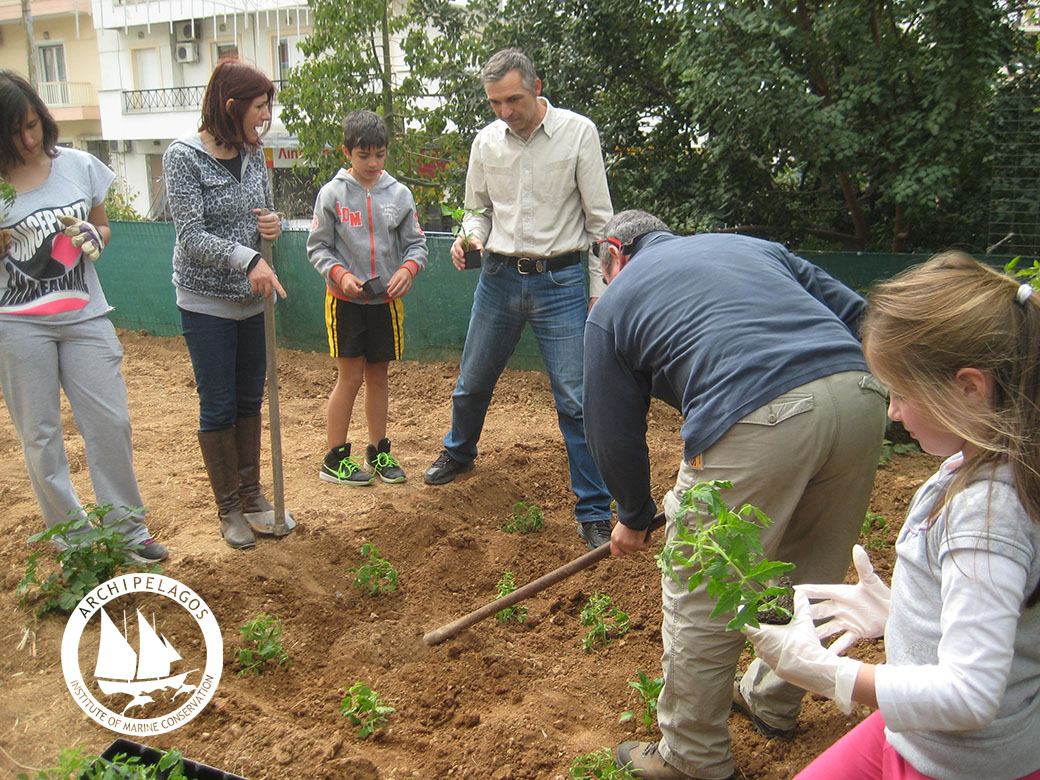
Investing in education, knowledge and environmental awareness among young people – the Aegean Seed Bank of Archipelagos Institute of Marine Conservation continues working for another year with schools around Greece. An important initiative is the creation of school gardens, which are grown from local varieties of seeds which are being stored in the Seed Bank.

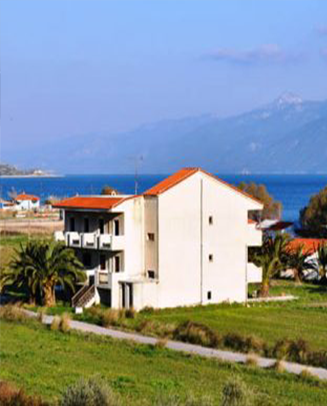
Observing the worrying rate of extinction of local varieties of agricultural plants, Archipelagos created the Aegean Seed Bank in 2005, which was initially set up on our research base on Ikaria island. Today it is housed in Samos, in the Maniakio building which is provided for mutual use by the University of the Aegean.

The long-term aim of the Aegean Seed Bank, is the collection, propagation, long-term storage and encouragement of the cultivation of the local varieties from the islands and the Greek mainland. This initiative, however, could not be successful without the participation of members of the public and farmers who actively support it. Archipelagos has developed a wide network of farmers from Thrace to the Aegean islands and Crete, with which we work closely for both the collection, cultivation and propargation of local varieties of seeds.

For this purpose Archipelagos collaborates with experts from both Greece and abroad for the long-term storage and propagation of genetic material. Along with a variety of other projects, via the creation of school gardens; Archipelagos is working to raise awareness of the conservational value of the local varieties of agricultural plants. It is especially important to get the younger generations engaged.

With the beginning of the new school year, Archipelagos has already begun its cooperation with several schools from Athens to the Cyclades and Dodecanese islands, and other parts of Greece.

The objectives of this hands-on educational action are for the students to:

  • understand the benefits of local varieties of seeds, in terms of environmental efficiency
  • gain knowledge on how to cultivate plants
  • gain knowledge on how to preserve seeds to be used in subsequent crops.

The contact with nature, the increased understanding of the nutritional value of local products and the development of skills and team spirit, are good examples of the benefits to students who take part in the creation of school gardens.

Scientists of the Aegean Seed Bank are ensuring that these local varieties of seeds are cultivated under secure conditions, which prevents any risk of contamination from foreign varieties. These are cultivated using organic farming practices that do not involve the use of chemical pesticides and fertilizers.

During the last year, on the fields offered to Archipelagos for use from several members of the local communities, we have grown numerous Aegean varieties of cereals and legumes. We have also carried out experimental cultivation on several varieties of vegetables in our own gardens.

The good production from our gardens the last year has enriched the seed bank with new genetic material. This also covered the nutritional needs of over 40 researchers and students hosted on the research base, and allowed us to make a donation of crops to local families in need.

Another important aspect of the Aegean Seed Bank is the analysis of the legal rights of farmers and other citizens to cultivate and market crops from local varieties. For this purpose, we hosted graduate law students from Loyola University, USA and Uppsala University, Sweden. Their work helped us obtain a better understanding of the legal framework of the new Common Agricultural Policy of the EU, and how it affects Seed Banks, farmers and consumers.

An illustration of the worrying disappearance rate of the local varieties: Out of the 200 varieties wheat cultivated a few decades ago in Greece, there are only 20 still cultivated today. This is a decline of 90%. Similar rates have unfortunately been recorded in many other agricultural plants.

Therefore we should not forget that the ongoing and systematic extinction of local varieties will soon lead to the point where consumer choice on whether or not to purchase GM crops will be made for us. If we allow the local varieties of agricultural plants to disappear, we will have no option but to consume GM products.


Thodoris Tsimpidis
Director of Archipelagos Institute of Marine Conservation
 

0
0
0
0
0

What you can read next

88 birds have been released back into the wild
Greater flamingo Phoenicopterus roseus
The beautiful flamingos returned to the Aegean
Interactive Environmental Education in Alyki salt marsh

HIGHLIGHTS

  • International Visitors at the Aegean Marine Life Sanctuary Project

    International Visitors at the Aegean Marine Life Sanctuary Project

    1 June 2021
    At Archipelagos Institute of Marine Conservation an important visit took …
  • The Efkranti Award was Granted to the Archipelagos Institute of Marine Conservation
    The Efkranti Award was Granted to the Archipelagos Institute of Marine Conservation

    27 July 2020
    It was a great honor but also great moral support …
  • The President of the Hellenic Republic’s visit to Archipelagos research vessel, the Aegean Explorer

    The President of the Hellenic Republic’s visit to Archipelagos research vessel, the Aegean Explorer

    30 June 2020
    Yesterday, during the President of the Republic’s visit to the …
  • Award to Archipelagos: Best Heroic Act of Environmental Stewardship

    Award to Archipelagos: Best Heroic Act of Environmental Stewardship

    19 February 2020
    The Short Documentary Film presenting the Aegean Marine Life Sanctuary, …
  • Award to Archipelagos Institute from the International Propeller Club of the United States

    Award to Archipelagos Institute from the International Propeller Club of the United States

    6 February 2020
    We would like to thank the International Propeller Club of …

Recent Posts

  • Photo-ID & Behavioral Assessments of Delphinus delphis in the Northern Aegean Sea

    Photo-ID & Behavioral Assessments of Delphinus delphis in the Northern Aegean Sea

    2 November 2023
    Yasas! Intern Alannah from the Marine Mammal Field here, currently …
  • Experiences After Work at Archipelagos

    Experiences After Work at Archipelagos

    2 November 2023
    Hi, I’m Ella and I completed a 6-week internship on …
  • Hands-on Projects with the Marine Mammal Research & Conservation Team

    Hands-on Projects with the Marine Mammal Research & Conservation Team

    2 November 2023
    My name is Sjoerd and I am in the last …
  • Planting Underwater Gardens of Posidonia seagrass- a new innovative planting process

    Planting Underwater Gardens of Posidonia seagrass- a new innovative planting process

    29 June 2023
    An innovative process of planting underwater gardens of Posidonia oceanica …
  • A special three-day research expedition to the Ikaria Trench

    A special three-day research expedition to the Ikaria Trench

    19 May 2023
    Archipelagos Marine Mammal Research team took part in a very …
  • Aegean Islet Conservation Project in cooperation with the University of Toronto’s Faculty of Architecture

    Aegean Islet Conservation Project in cooperation with the University of Toronto’s Faculty of Architecture

    17 May 2023
    A new cycle of interdisciplinary on-site research of the Aegean …
  • Mutilated Striped Dolphin Stranded on the shores of Samos Island

    Mutilated Striped Dolphin Stranded on the shores of Samos Island

    12 May 2023
    A mutilated striped dolphin was found stranded on the north …

Subscribe to Our Newsletter

Archipelagos Institute of Marine Conservation is committed to researching and defending the biodiversity of the Greek seas and islands.

Our action is possible only with your help!

donate
  • Contact us
  • Placements

Archipelagos - Institute of Marine Conservation © All Rights Reserved || Developed Fekas Brothers

TOP