

This decision is a breath of fresh air for the depleted marine ecosystems of Greece, as well as vindication of Archipelagos’ efforts since 2008. These efforts have focused on taking action at both national and European levels for the retraction of the decision made by the former Fisheries Deputy Minister Mr Kontos (164198/03-03-08).
A quick glance in the recent history of the Greek national Fisheries Authorities negligent decisions shows that, for many years short term political profit largely outweighed the sustainability of fisheries in Greece:
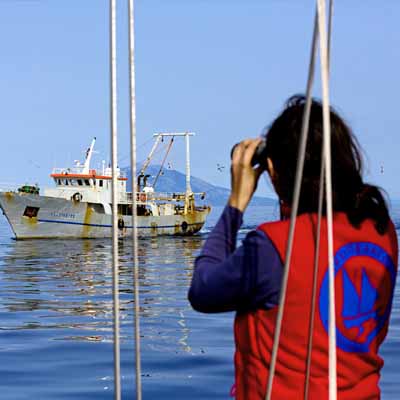
- On the 5th of March 2008, the Former Minister of Agriculture, Mr Kontos (New Democracy party) loosely interpreted Council Regulation E.C 1967/2006 and signed the Ministerial Decision 164198/03-03-2008. Within this decision fishing using trawler methods was allowed to take place at 1nm from the Greek coastline (instead of the prior minimum distance of 1.5nm). This particular M.D, contrary to the prerequisites stated in Council Regulation E.C 1967/2006, did not take into account any relevant scientific study, was applied uniformly covering the whole region of the Greek seas without any scientific justification. It was an offhand interpretation of Council Regulation E.C 1967/2006 which he applied to the entire Greek trawling fleet.
- In October 2009, the new government of PASOK Party made no substantial changes to the decision made by the previous Minister Mr Kontos. The new Minister Mrs Batzeli, despite continuous pressures, letters and reports sent by Archipelagos, fisheries associations and environmental stakeholders, continued to apply the 1nm limit to all Greek coastline with no exceptions. This showed a blatant disregard to both the obligations of Greece under EU legislation, as well as to the health of Greek fisheries and marine habitats.
- The restructuring of the Greek government one year later on the 30th of September 2010 created a new Ministry of Maritime Affairs, Islands and Fisheries. The hope for a new approach on the issue rapidly evaporated, as did the written assurances for change by the new ministry to Archipelagos, concerning the harmonising of Greek Law with Council Regulation E.C 1967/2006. The Minister Mr Diamantidis, after many months of deliberate stalling, eventually signed the Ministerial Decision 9131.4/1/ on the 31st of March 2011, as a result of pressure exerted on him by the European Committee.
This particular decision, that was published two weeks before the end of the fishing period for trawlers, continued to neglect any previous scientific studies and areas that should form exceptions, such as those containing protected habitats. As a result of this, trawlers were permitted to continue fishing at a distance of just 1nm from the shore over 45% of the Greek coastline. The decision made by Mr Diamantidis once again showed a deliberate misinterpretation of Council Regulation E.C 1967/2006 (see relevant map).
After coordinated action taken by Archipelagos during the duration of the summer months of 2011, and the continuous recommendations and pressure exerted by Commissioner Maria Damanaki, Greek legislation now complies fully with that of Council regulation E.C 1967/2006. A prodigious step forward in the protection of the biodiversity of the Greek Seas.
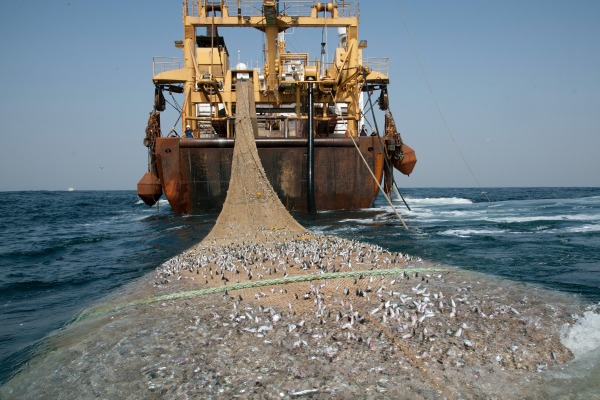
Archipelagos Institute recognises that the first step towards the protection of Greece’ marine habitats has been made, however, it is also acknowledged that this advance alone is not enough. Over a decade of research conducted by Archipelagos has exposed the serious and irreversible damage that uncontrolled fishing by trawlers can cause to the productive marine ecosystems of Greece. This degradation of marine habitats has been proven to cause significant declines in local fish stock populations, further highlighting this method’s exceedingly negligent and non selective nature.
Further to the newly voted law, additional recommendations must be put forward that involve the exclusion of highly sensitive and in some cases, non- renewable, marine habitats from undergoing damage caused by the fishing activities of trawlers and purse seiners.
It is fundamental that fishing activities are carried out within appropriate areas and to a sustainable level. A gradual reduction in the number of vessels per fleet and an advancement in Greek fisheries control and law enforcement are both essential if any of the existing legislation is to be effectively applied.
It is imperative that now more than ever, immediate and strict measures are taken for the abolition of Illegal, Unregulated and Unreported (IUU) fishing methods in Greece. In addition to eliminating trawling and purse siene fishing from sensitive areas, all marine habitats should be free from illegal and highly destructive activities such as dynamite fishing, as well as spear fishing using underwater breathing apparatus and lights. It is also important that modifications in fishing gears within artisanal fishing are made that will increase their fishing method selectivity, to reduce the number of juvenile fish caught as well as the by-catch.
Today’s well known decrease in fish stocks within the Greek seas is a doubtless statistic. The threat of collapse of fisheries and the extinction of the rare species that have lived for centuries within our seas, constitutes a real concern. We must act now to stop their over exploitation in order to preserve the rich biodiversity of our seas for future generations.