


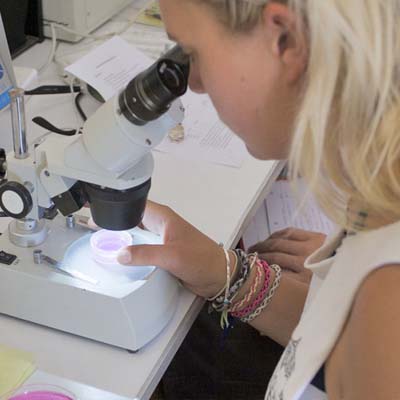
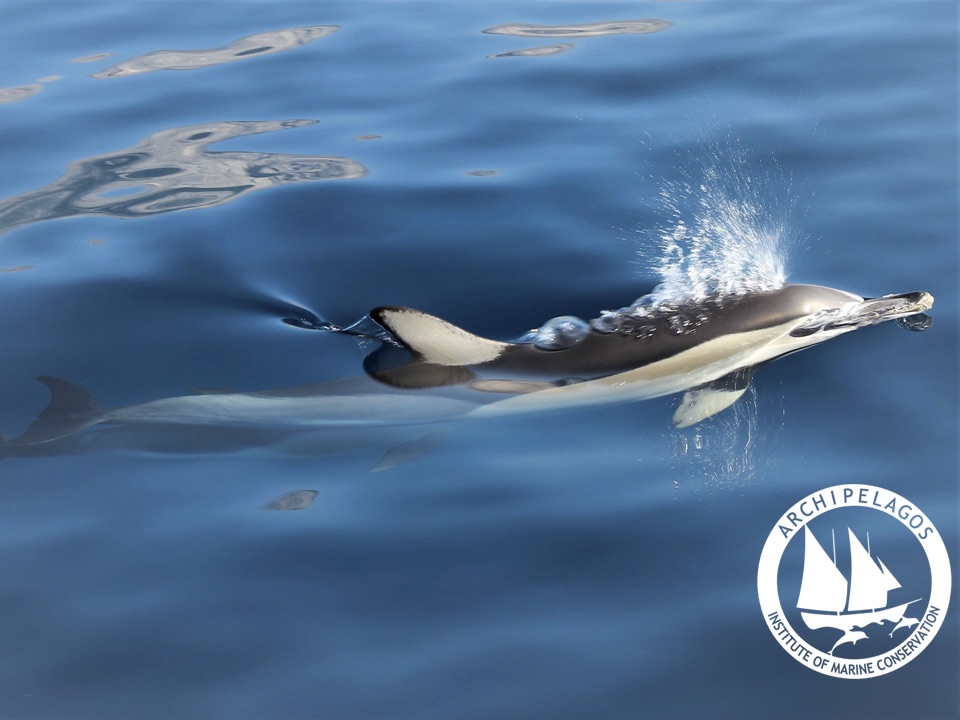
The eastern Aegean region is home to a large number of marine mammals which are classified either as at risk or data deficient. This habitat is in desperate need of protection, as it is subjected to a wide range of anthropogenic threats. The aim of Archipelagos is to better understand and monitor the habitat structure and population dynamics of cetaceans around the eastern Aegean islands. The ultimate goal is the implementation of “Marine Protected Areas” and supporting effective conservation actions and management policies in order to protect the cetacean and other species biodiversity.
The Aegean, just like the whole Mediterranean Sea, is influenced by human activities such as shipping, tourism, unregulated fisheries practices and pollution, which threaten the survival of marine mammal populations. A vital sector of the eastern Aegean economy are the fisheries, which cause an unavoidable interaction between the marine mammals and the fishermen who are after the same prey.
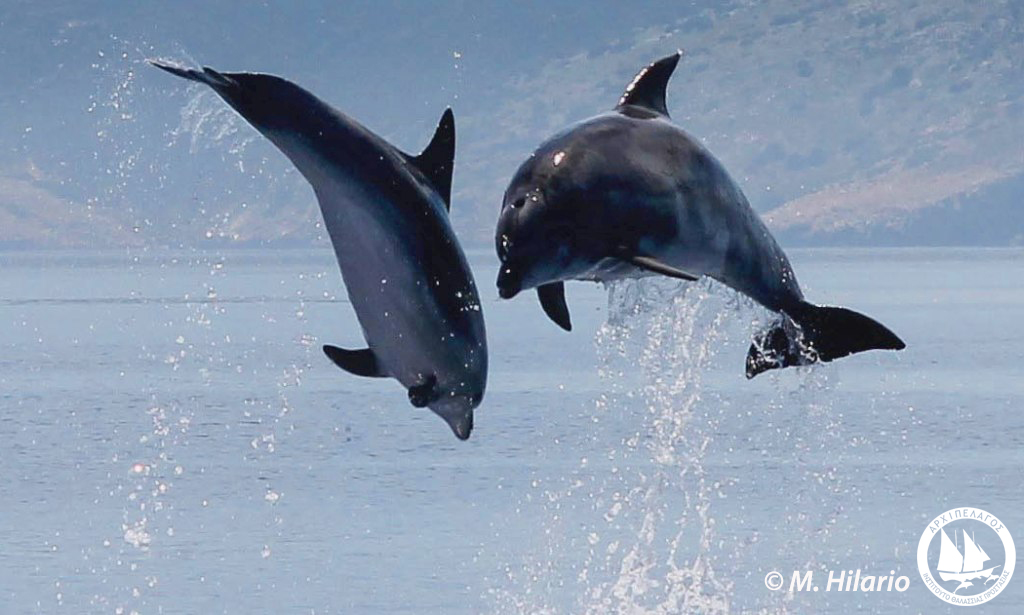
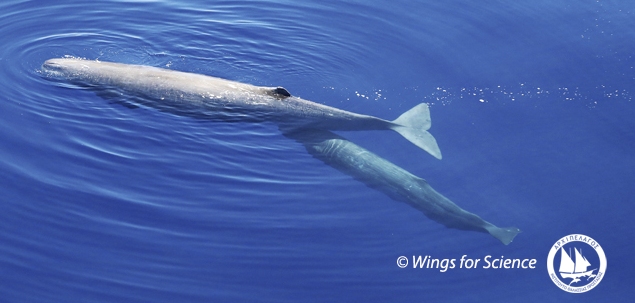
The main goals of our research are:
- Monitoring the habitat use, abundance and distribution of cetaceans, Mediterrenean monk seals and sea turtles.
- Studying the population structure and its dynamics.
- Studying the behavior through visual and acoustic data.
- Investigating the impact of major threats, such as fishing and tourism, on the cetacean behavior.
- Our current work includes the following activities:
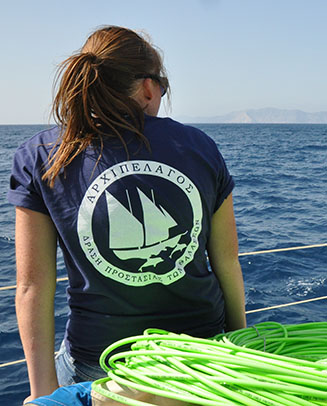
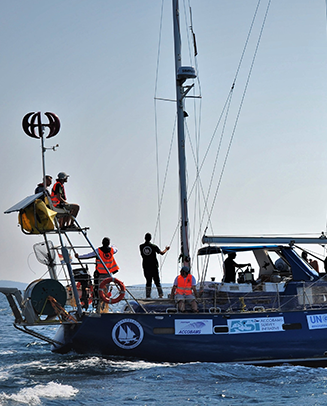
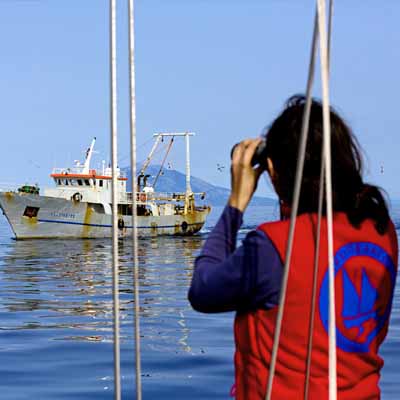
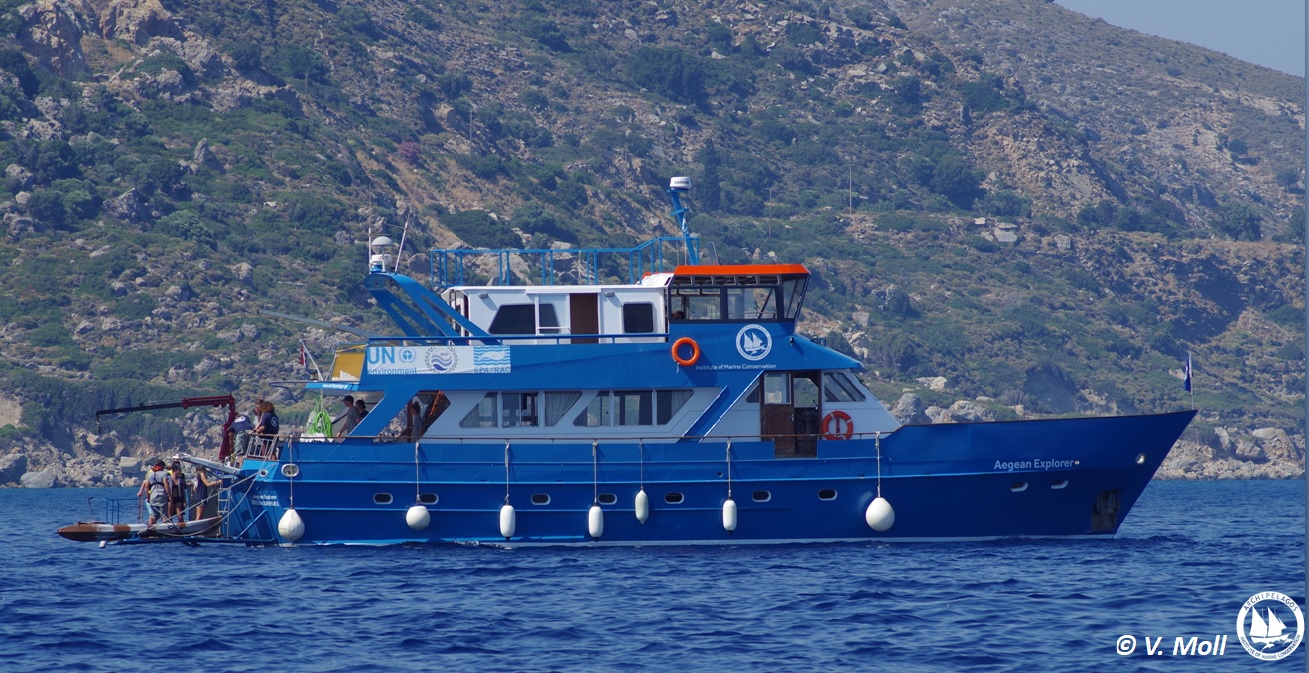
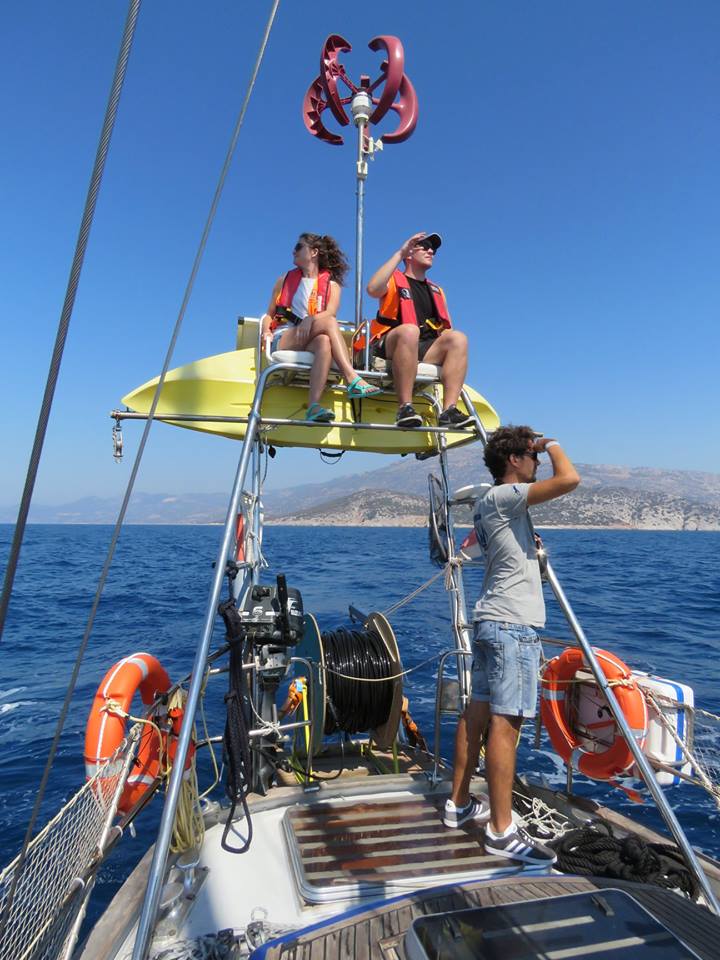
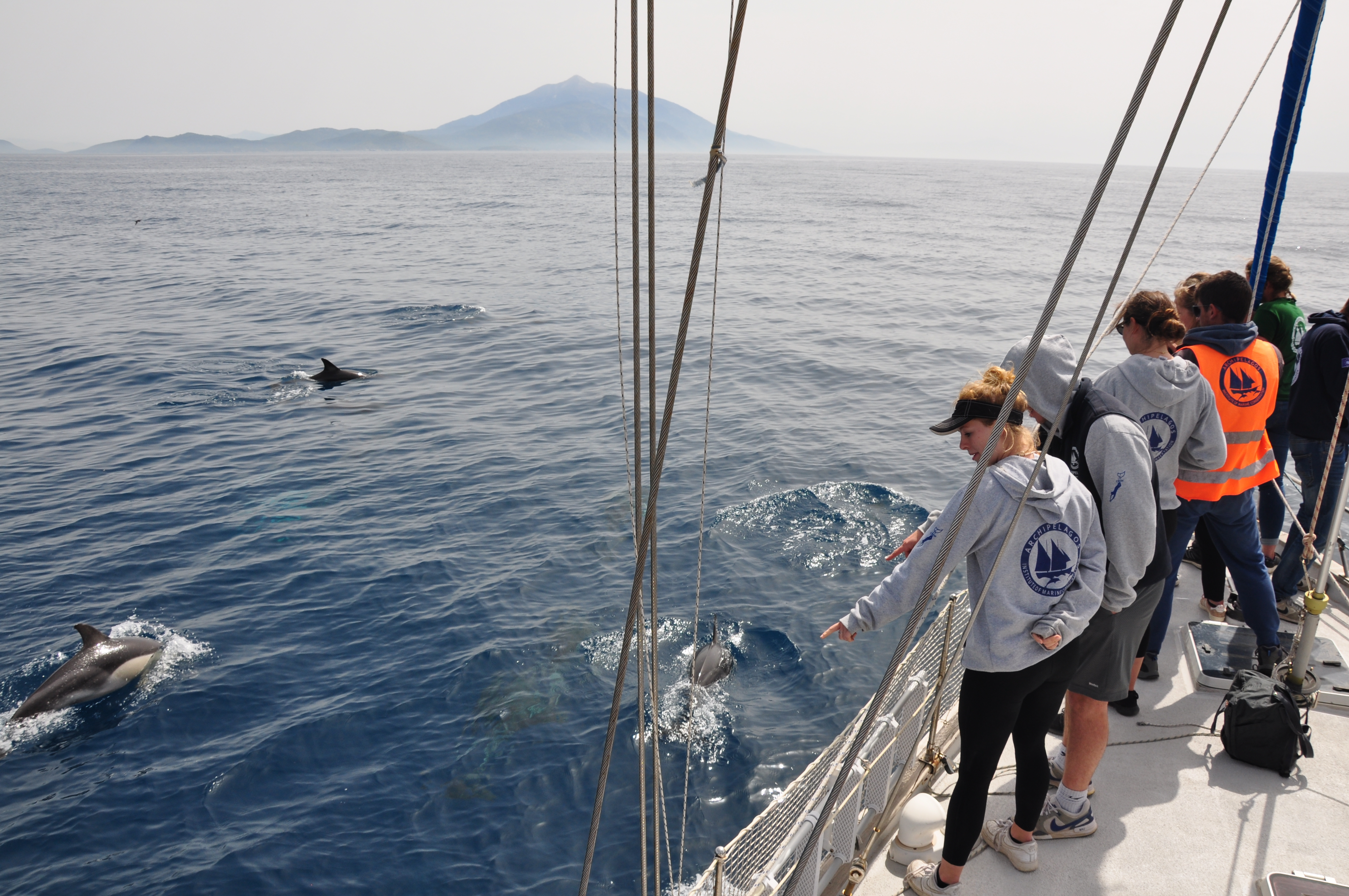
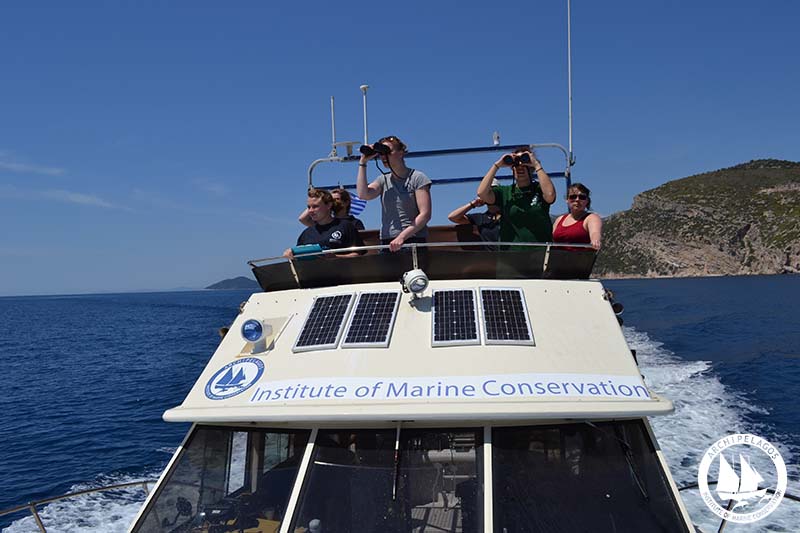
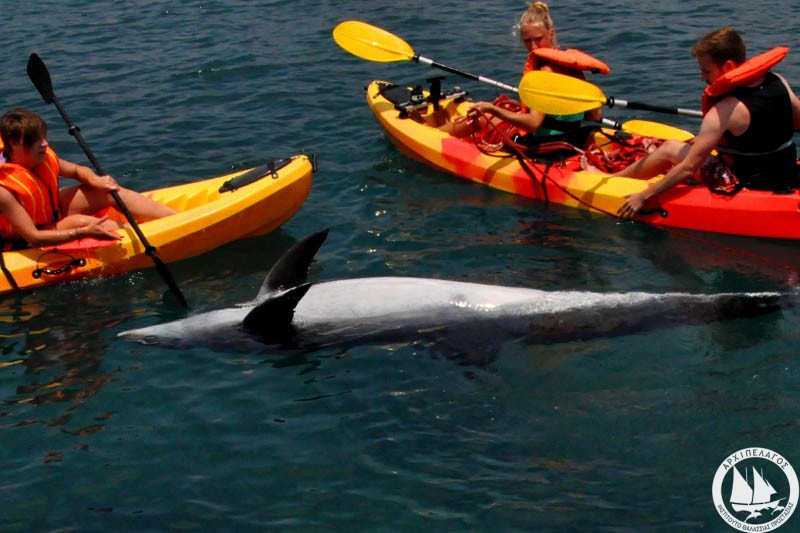
- Conducting boat-based surveys to collect data on cetacean abundance, distribution and behavior.
- Conducting land-based surveys to collect data on cetacean behavior and distribution without interacting with them.
- Collecting data about different types of marine vessels, their distance from the focal group, fishing activities and marine debris during the boat and land surveys.
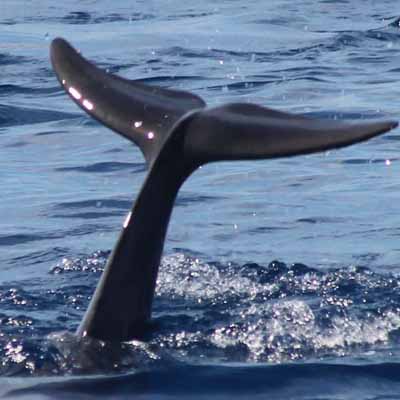
- Assessing the populations of resident, transient and seasonal cetaceans through photo-ID.
- Developing an online photo-ID network.
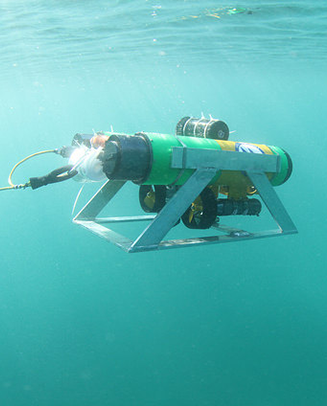
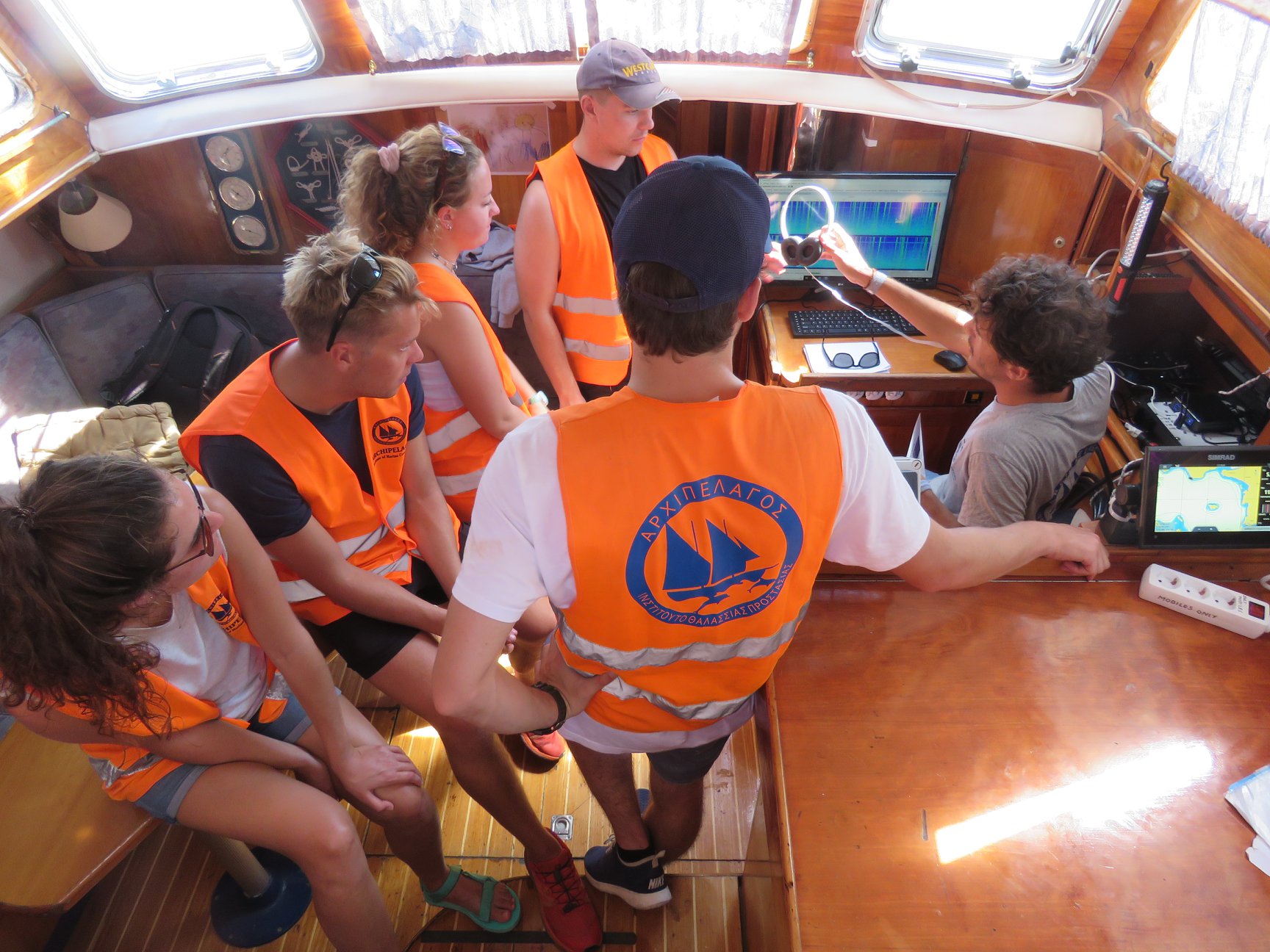
- Using a hydrophone to collect acoustic data.
- Creating GIS maps to pinpoint critical habitats and understand the factors threatening them.
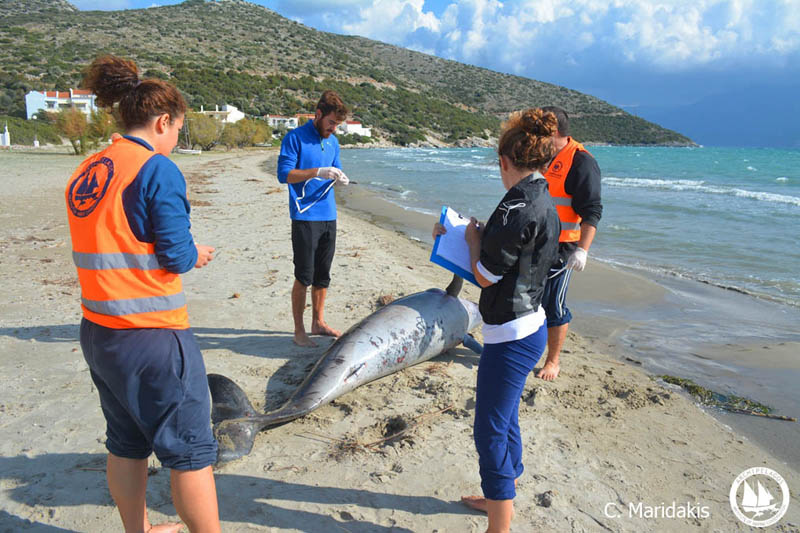
- Delivering first aid to the animals, rescuing them, performing necropsies and collecting data related to stranded individuals (e.g. cetaceans, seals and sea turtles).
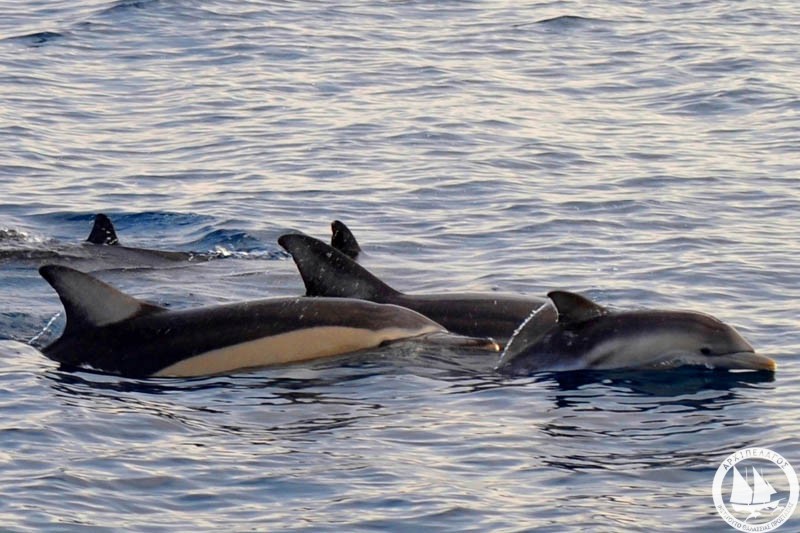
General Monitoring
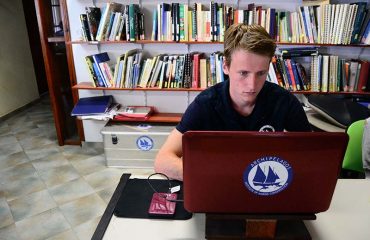
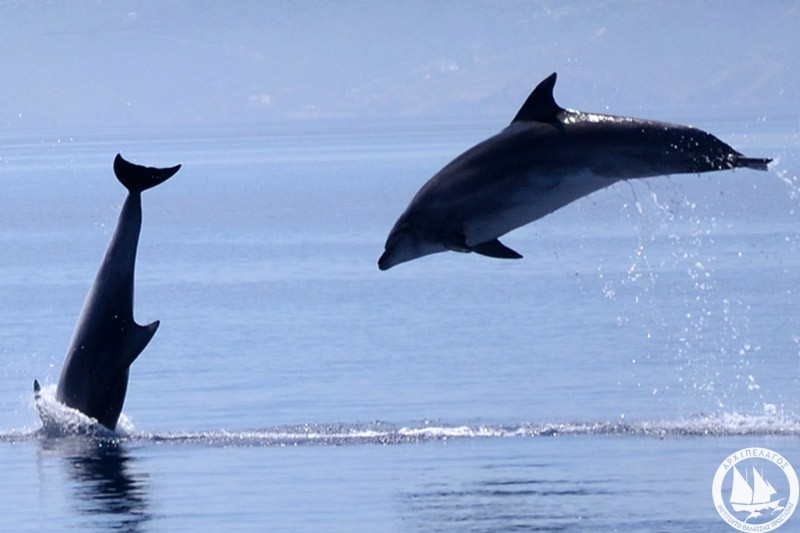
The main task of the marine mammal team is to monitor the study area through both land and boat-based surveys in order to analyze the abundance, distribution and behavior of marine mammals and turtles. Data on various human impacts (marine vessels, fishing activity, debris) are also collected. During surveys, the team is responsible for behavioral data collection, photographing individuals and later cataloging the photograph. All these data are recorded and stored in a database at the main research base for later analysis.
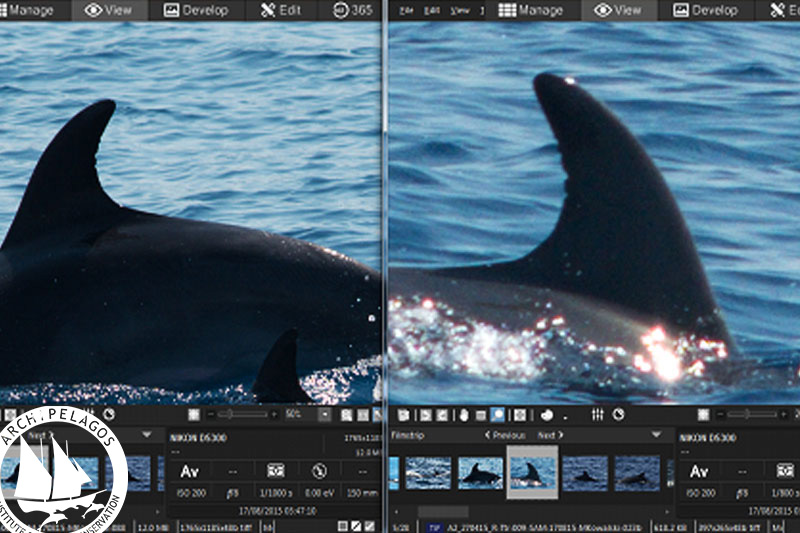 Photo Identification
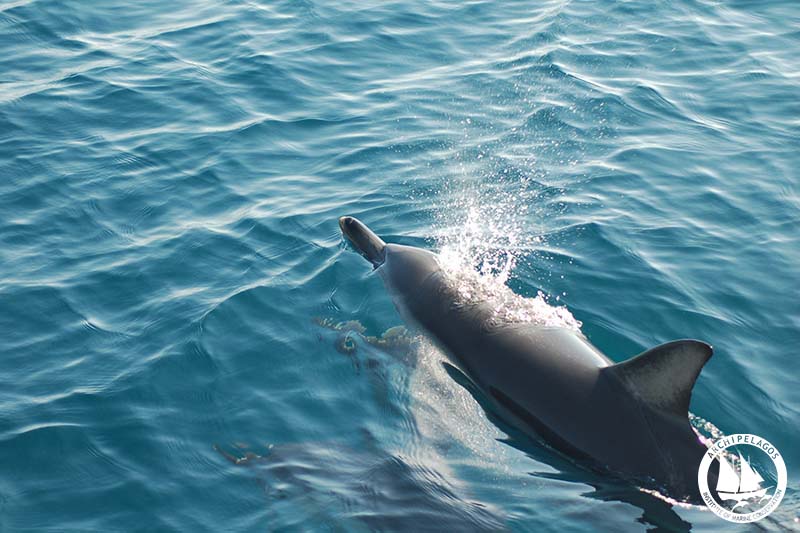
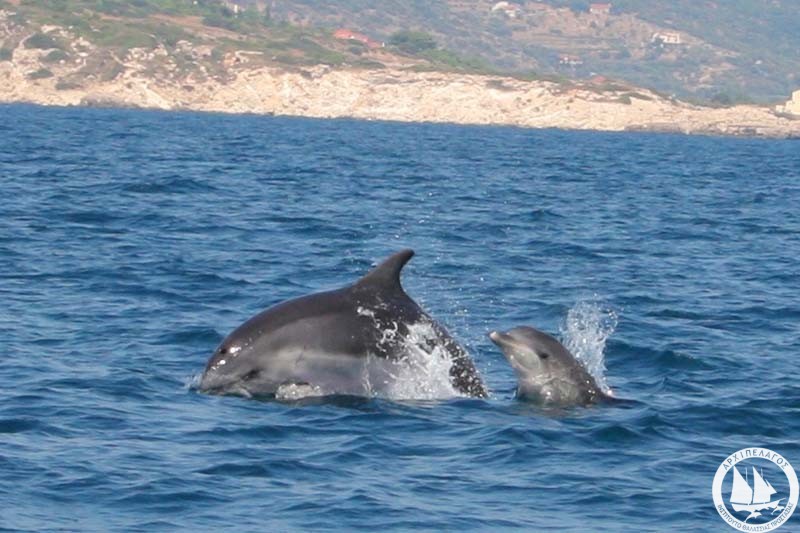
During marine mammal pods sightings, the Archipelagos marine mammal team gathers photographic material used for identifying individuals inhabiting the studied area. To facilitate this process, all pictures are sorted, cropped and named. The identification is done by comparing different morphological aspects of the body and fin, such as patches of color, shape, scars, nicks, notches etc.
Once the individuals have been identified and classified, they are introduced into a photo-ID catalog which includes all the cetaceans spotted so far. As a result of this process, the team can get a better idea of the population size in the study area, compare it along the coming years and identify the social structure and residency pattern of target species.
As a result of this process, the team can get a better idea of the size of the population in the studied area and compare it along the coming years.
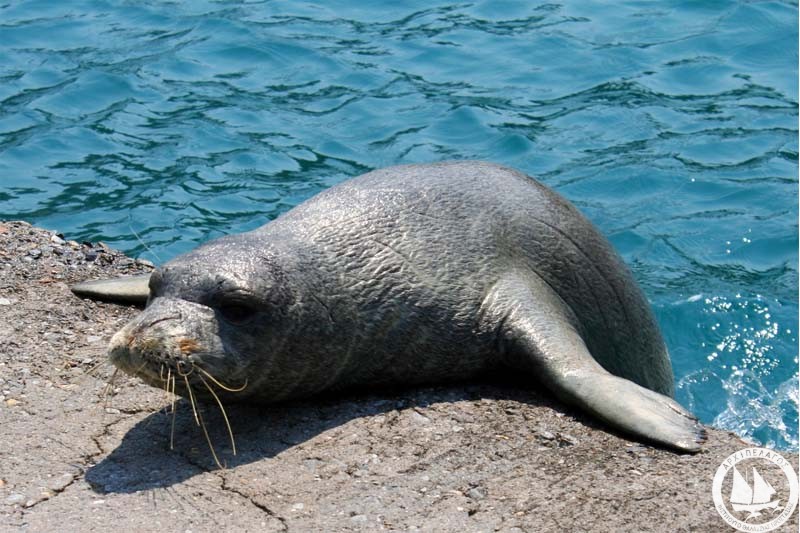
Mediterranean Monk Seal
Mediterranean monk seals are considered to be the second most endangered marine mammals in the world. It is estimated that only 450 individuals remain. One of the most important surviving populations of the species resides along the Greek and Turkish coasts of the Aegean Sea. Research on monk seal population includes monitoring the nesting and feeding areas as well as assessing the interaction with fisheries.
Since the spring of 2014, Archipelagos has been involved in daily monitoring and conservation of a young monk seal which displays a highly unusual behavior, approaching inhabited coastal areas and touristic beaches. Archipelagos’ team works closely with the local community in a unique conservation effort to ensure the wellbeing of this special seal pup and facilitate her reintroduction to the natural environment.
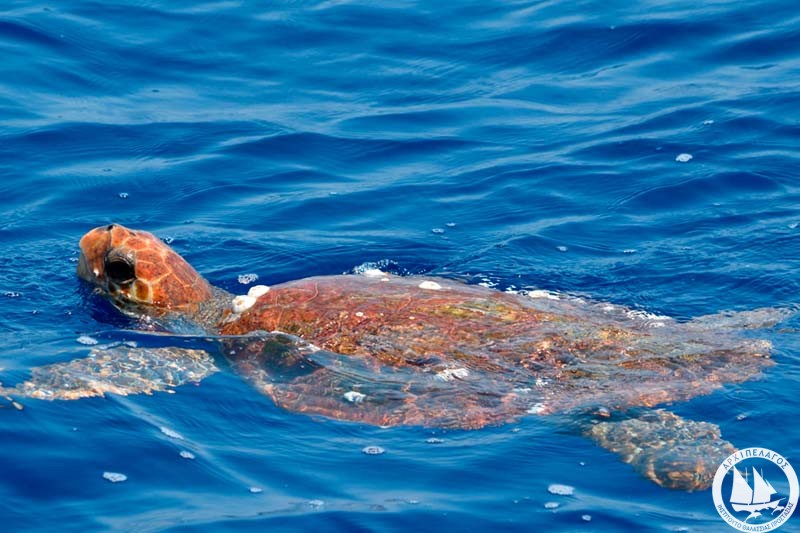
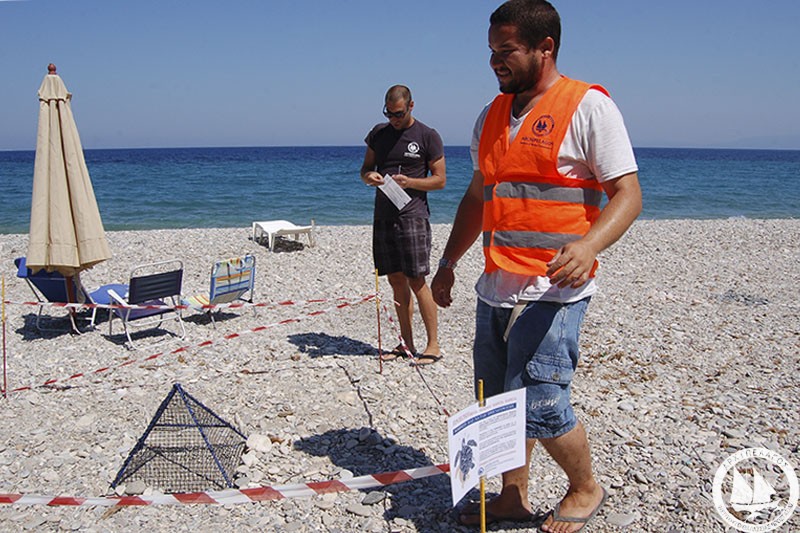
Turtle Monitoring
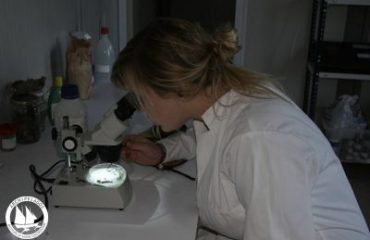
In the eastern Aegean, there are no extensive nesting beaches for turtles. However, numerous sites can be found on the island every summer. At the same time, rich feeding areas are abundant in the region, therefore, turtle encounters occur year round. Archipelagos’ turtle monitoring project includes various activities ranging from observation at sea, monitoring the nests, administering first aid to injured turtles and performing necropsies of turtles found dead in the region.
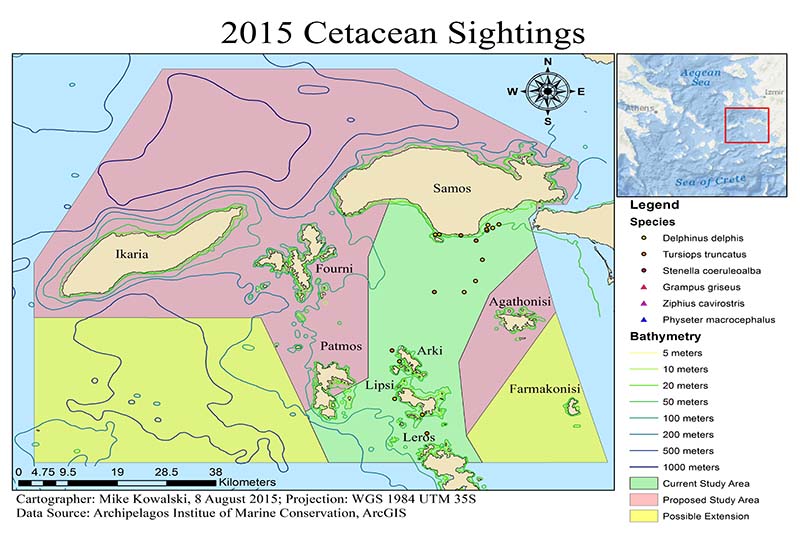
ArcMap GIS
The marine mammal team utilizes ArcMap GIS for mapping the populations of species found in the Aegean Sea. By applying the data collected during surveys and fieldwork, we can show the distribution and abundance of different species, as well as hot spots and migration patterns in the sea.
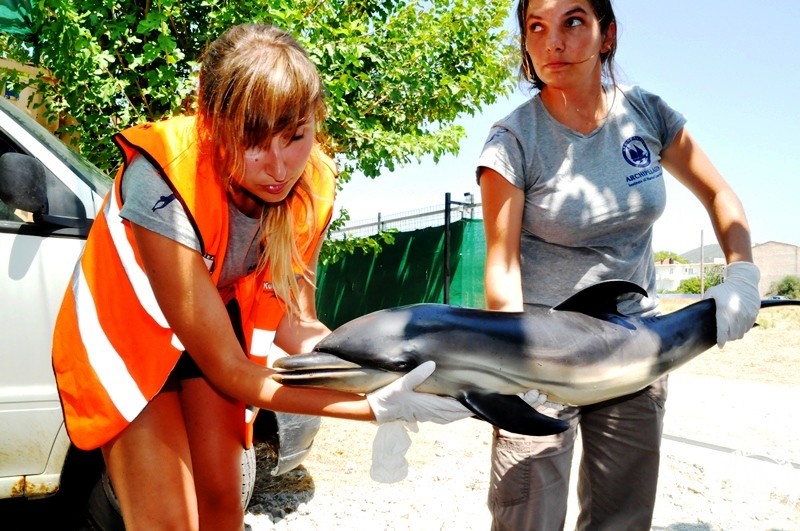
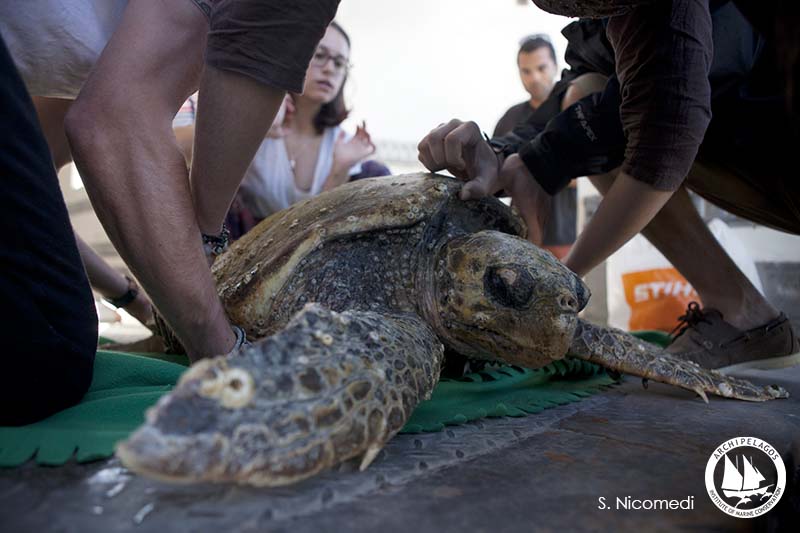
Stranding Response Project
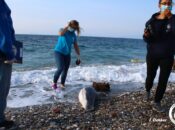
Archipelagos’ team takes part in rescuing stranded marine mammals and turtles when such incidents occur in the study area. After being notified of a stranding, the team members assess the situation and provide first aid in order to improve the health of the animal. If the individual is already dead, necropsy is carried out to determine the cause of death and to collect samples for analyses (for example toxicological, DNA and stomach content). Through this work, we can gain a better understanding of the factors that threaten the populations of these charismatic animals and take actions that will efficiently protect them.