


The islands of the eastern Aegean are home to a rich biodiversity of flora and fauna. Thick pine forests, dense oak woods and green riparian valleys linked to rare island freshwater ecosystems can be found here, alongside garrigue and maquis types of vegetation. Samos is the only island in the Mediterranean where golden jackals can be found and the only place in Greece where Mediterranean chameleons still survive. The island of Ikaria supports an ancient holm oak forest, which is more than 500 years old. The surrounding islands and islets are important transit stations, feeding grounds and breeding spots for a large number of protected birds, including flamingos, Eleonora’s falcons and Audouin’s gulls.
Archipelagos initiated its actions with focus on marine research and conservation, but the field of action gradually expanded to cover the terrestrial island habitats, which are also of great environmental importance. Both marine and terrestrial ecosystems are integral parts of a unified system and effective protection can only be achieved if we treat them as a whole.
Archipelagos’ terrestrial research focuses on:
- Rare wetland habitats: the protected Alyki salt marsh, Mesokampos salt marsh and Potokaki pools in the southeastern part of Samos.
- Internationally important and protected bird species: greater flamingo, ruddy shelduck, Eleonora’s falcon, Audouin’s gull, Scopoli’s shearwater etc.
- Mammals: golden jackals, wild boars, beech martens, weasels, hares and small rodents.
- Reptiles and amphibians: Mediterranean chameleons,Caspian whip snakes, Balkan terrapins, tree frogs and numerous other species.
- Insects: dragonflies, butterflies, moths and beetles, as well as other brackish and freshwater species.
- Plants: ancient trees, orchids, marshland flora and endemic plant species.
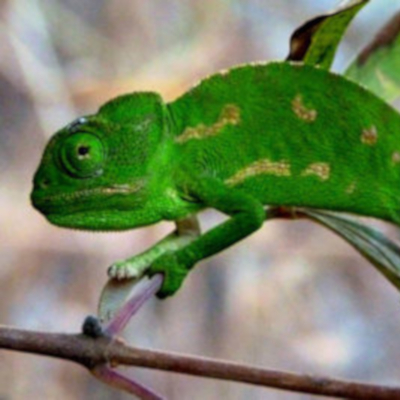
Chameleon Population
Samos is the only part of Greece which still supports a population of Mediterranean chameleons. However, the fragile population of this species is increasingly threatened and human factors are to blame. Surveys are carried out in spring, summer and autumn, ceasing in winter due to the annual hibernation of chameleons. Archipelagos’ work in this field includes a combination of the following projects:
- Surveys determining the population size and distribution, involving mark-recapture techniques and morphometrical analysis.
- Surveys assessing seasonal variation of habitats and vegetation type preference.
Jackal Populations
Samos is currently the only island of the Mediterranean where golden jackals can be found. The local population is genetically unique, and the factors influencing its distribution and foraging behavior are subjects of Archipelagos’ research. Researchers attend a selection of sites on a regular basis in order to determine whether anthropogenic disturbance has an impact on the habits and ecology of the jackals. Archipelagos’ work in this field includes a combination of the following projects:
Birds
The islands of the Aegean are crucial feeding and breeding grounds for numerous species of birds. More than 200 species have been reported on Samos, already constituting up to 50% of all bird species found in Greece. Current avian studies within Archipelagos involve the collection of baseline qualitative sightings data related to threatened wetland habitats of Samos and other important ecosystems in the eastern Aegean islands and islets. Using this information we hope to improve site protection and ecological status of these areas. Archipelagos’ work in this field includes a combination of the following projects:
- Collecting information on a daily basis via standardised point count methods and transect surveys in order to observe accurate temporal comparisons.
- Study of the nesting behavior with the use of camera traps.
- Caring for injured birds before releasing them back into the wild.
- Other studies depending on personal interests (e.g. raptor, migration) and qualifications (e.g. ringing license) of the research team.
Additional projects:
- Cooperation with the Norwegian University of Life Sciences for remote censusing of Eleonora’s falcon nests on the Anidro islet north of Patmos. (you can watch the related video here)
- Research on the winter migration of unusually large cormorant and heron populations in the Oinousses island complex.
Ancient Trees
Surveys of ancient trees have been carried out across the eastern Aegean islands to profile some of the most biologically important flora. Age of the trees is estimated to designate them as Monuments of Nature and allow the implementation of protection laws. Archipelagos’ work in this field includes a combination of:
- Locating and identifying ancient trees across Samos, Ikaria and other islands of the eastern Aegean.
- Determining the age of the specimen by measuring trunks and taking bark samples.
- Creating a GIS map pinpointing the locations of ancient trees and enforcing their legal protection.
Bat Research
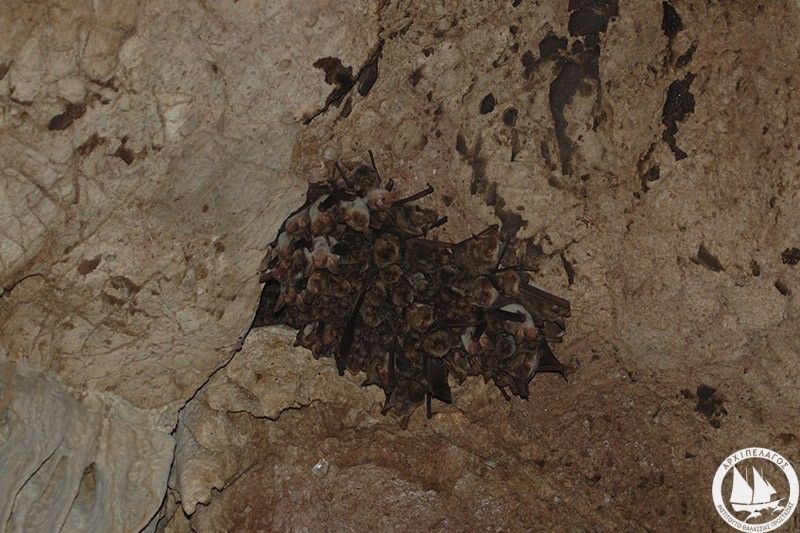
Bat research is conducted depending on qualifications (e.g. licenses) of the research team members, as there is no such expertise in the Archipelagos core team. In cooperation with experts, we have managed to identify eleven species of bats on Samos. With threats such as pesticides, light pollution and loss of habitat connectivity on the rise, there is an increasing need of continuing the research. Archipelagos’ work in this field includes:
- Surveying transects and analyzing sound files recorded.
- Visiting caves to identify species.
- Mist netting for species identifications.
- Assessing the impact of wind farms on local bat populations.
Aegean Seed Bank
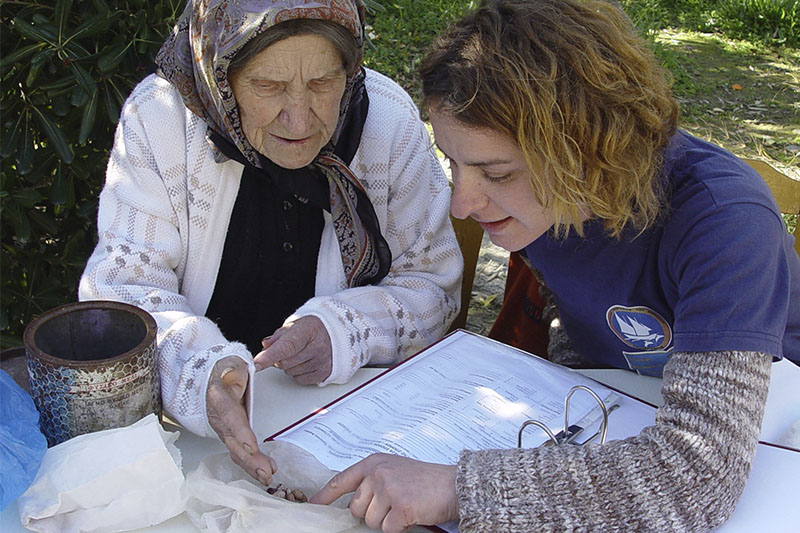
In the spring of 2005, Archipelagos created the Aegean Seed Bank with the aim of collecting and preserving different kinds of seeds from around the Aegean and promoting their use among local farmers. These seeds are also propagated under suitable conditions and used to present the benefits of traditional, organic agricultural practices. Archipelagos’ work in this field includes a combination of the following projects:
- Research into traditional agricultural farming techniques practiced by local communities on the Aegean islands.
- Experimental application of these practices as well as organic farming techniques.
- Collection, classification and analysis of local seed varieties preserved in the Aegean Seed Bank.