
Archipelagos

  • English
  • Ελληνικα
Who We Are
The TeamThe Team
Research BasesResearch Bases
Research BoatsResearch Boats
Our EquipmentOur Equipment
PartnersPartners
SupportersSupporters
Fields of Action
Marine ConservationMarine Conservation Fisheries Shipping Risks Seagrass Meadows Coralligene Conservation Littoral Ecosystems Invasive Species Jellyfish Sea Turtles
Marine MammalsMarine Mammals Dolphins and Porpoises Whales Seals
Terrestrial ConservationTerrestrial Conservation Island Fauna Forests & Flora Freshwater Ecosystems Aegean Seed Bank
Laboratory ResearchLaboratory Research Microplastics Water Analysis Soil Quality
Projects
Aegean Marine Life Sanctuary
Eco-Navigation
FIsh4Life
Save the Aegean
Join Us
Internships in the Aegean
Remote Internships
Interns Experiences
Field Courses
News
Planting Underwater Gardens of Posidonia seagrass- a new innovative planting process
Aegean Islet Conservation Project in cooperation with the University of Toronto’s Faculty of Architecture
Mutilated Striped Dolphin Stranded on the shores of Samos Island
Posidonia Seagrass Fruits Wash up on Our Shores – A Rare Phenomenon
View All...
Contact us
Publications
Videos
Awareness Material
Donate
Menu

Joint Research Course in Applied Oceanography and Conservation by the University of Essex, UK and Archipelagos Institute

Joint Research Course in Applied Oceanography and Conservation by the University of Essex, UK and Archipelagos Institute

by Kleopatra Delaveri / Friday, 22 September 2017 / Published in Education, Marine Conservation, News

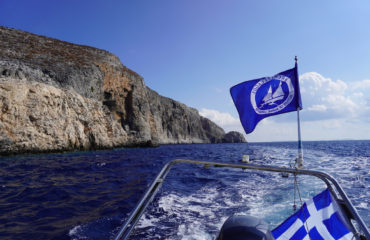
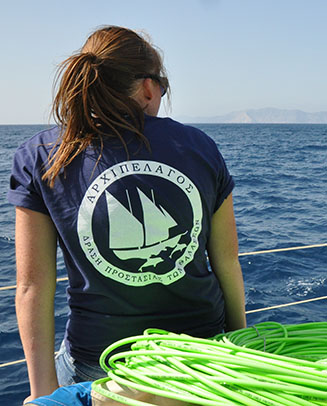
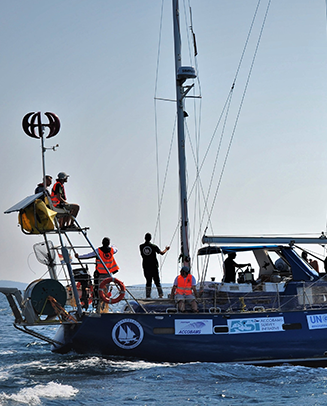
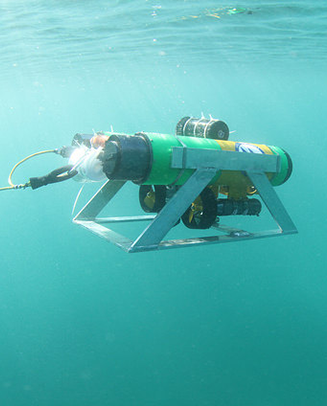
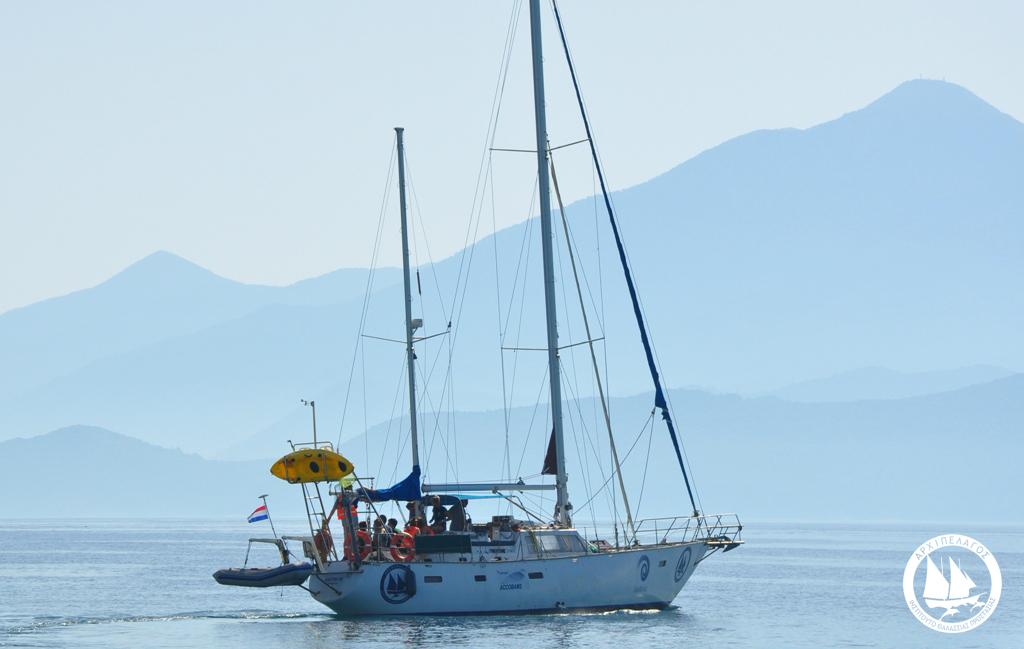
The Joint Educational Oceanographic Research Course of the University of Essex UK with the Archipelagos Institute, took place in the marine area between Samos and Ikaria islands. For one week, with parallel recordings by Archipelagos’ 3 research vessels, with the aid of contemporary research equipment, the final year students of Marine Sciences from Essex university, were trained by expert scientists and researchers from both institutions in the multi-level data collection in the open seas. They used new technologies and relevant research protocols developed by the Archipelagos Institute in collaboration with universities abroad.

Through such activities, we aim to encourage the new generation of scientists who will be called upon to manage the major environmental problems of the European seas to gain a deeper comprehension of the crucial need to link marine research with efficient conservation actions.
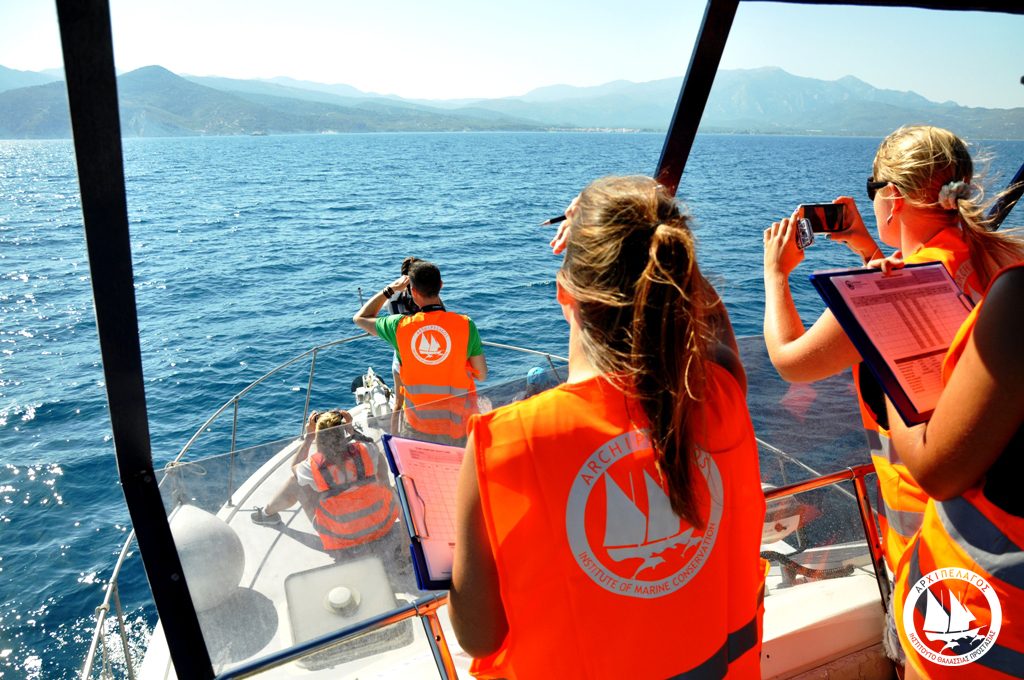
 

The Research Course focused on key areas including:

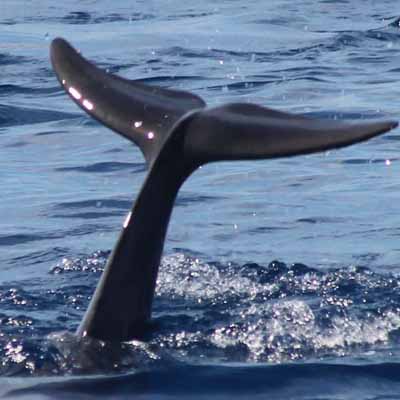
  • The study of pelagic ecosystems (physicochemical and biological parameters) in combination with cetacean populations (i.e. dolphins and whales), for which there are still large knowledge gaps in the Greek seas and the Mediterranean overall. In this field, the Archipelagos Institute develops new research protocols, which exploit cutting edge technologies, so that along with the populations of these rare species, the status of the fish stocks they feed on is also monitored. The severe decline of fishstocks due to overfishing and other anthropogenic impacts is a major problem for the survival of marine mammals in our seas.
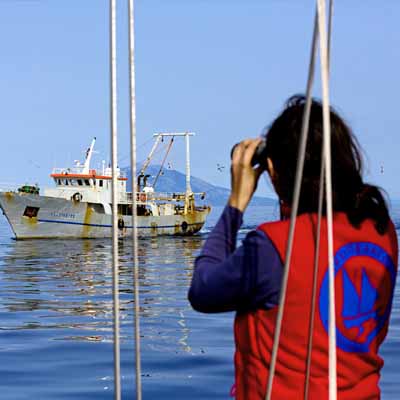
  • The study of fisheries and fisheries management. Building on the empirical knowledge of artisanal fishermen from east Aegean, in combination with the results of research assessing the state of fish stocks, we can understand extent of fishstock decline, but also the management practices through which fisheries could return to sustainable levels in the Greek seas.
  • Mapping protected marine ecosystems. With the combined use of modern research tools, multi-level mapping has been done to provide detailed GIS maps of Posidonia seagrass meadows, depicting also the extent of damage that has been caused by IUU fisheries (eg illegal trawling).
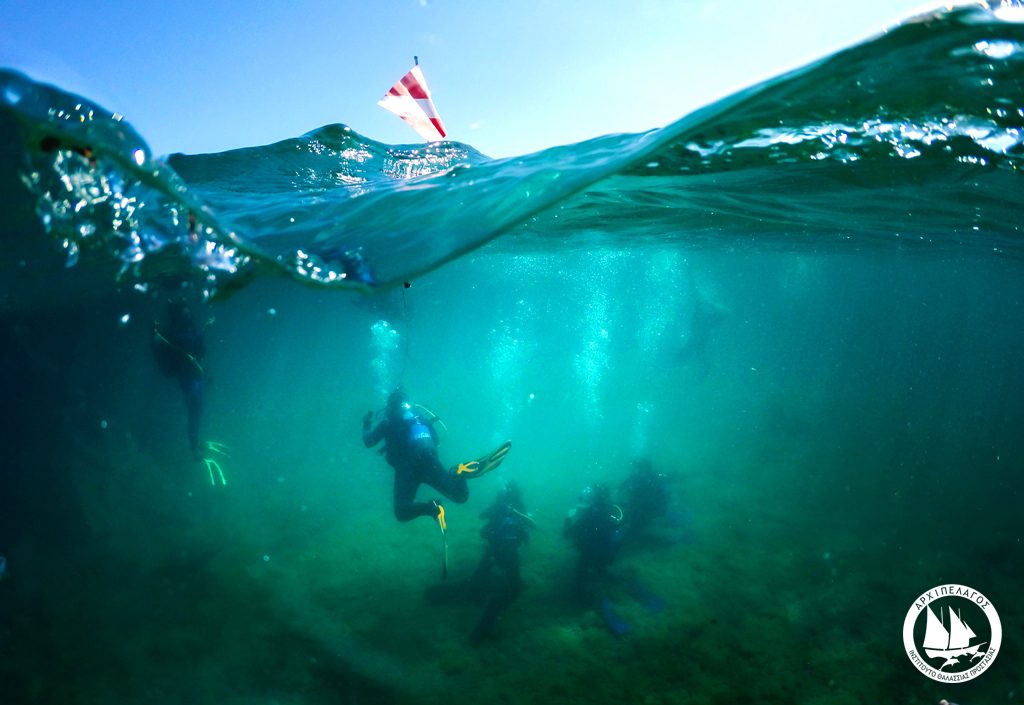
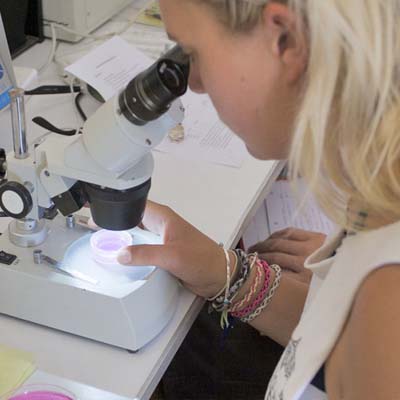
  • Estimating the content of microplastic fibers in marine ecosystems, which have been released in the seas as a result of the break down of plastic debris that end up in vast amounts in our environment and seas. This activity focused on the assessment of the content of microscopic plastic fibers in fish, sediment and surface waters.
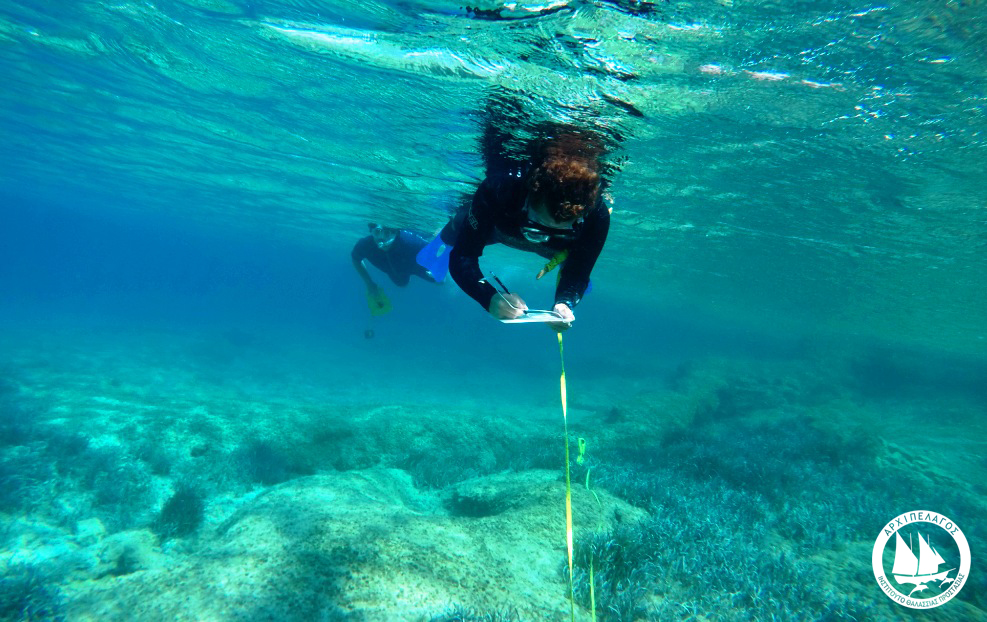
This Joint Research Course is a compulsory module for Essex University and is taught annually in the east Aegean Sea to final year students of Marine Sciences from Essex university. This field course is one of the many aspects of the long and creative collaboration between Archipelagos Institute and Essex University, over the past 17 years. Our common goal is to exchange know-how and expertise, but also the continuous improvement of applied research, aiming to produce results that can substantially improve the protection of the seas, both in Greece and internationally.

The realization of these training actions in applied marine research by the Archipelagos Institute also develops the significant comparative advantage of the Aegean Sea nature, and through the participation of hundreds of students and scientists in such activities every year, the local economy is indirectly supported.
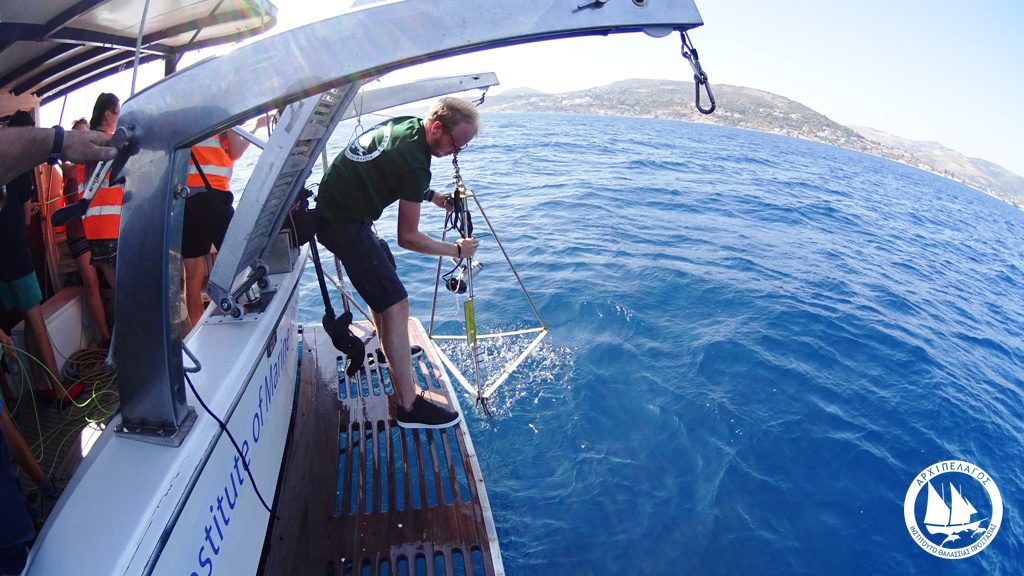
This course was followed by a new joint Oceanographic Research which was launched after many months of preparation, in collaboration with the UNEP / MAP – SPA / RAC, involving numerous scientists and decision makers from many Mediterranean countries (Greece, Italy, Tunisia, Libya, Lebanon, Egypt and Montenegro). It is a pioneering initiative, as it aims to establish common research protocols, which will produce comparable results in the various regions of the Mediterranean. These actions aim at the better implementation of the Ecosystemic Approach adopted by the United Nations, focusing on the protection of ecosystems and coastal communities, and not only the protection of individual species. We will inform you soon about the development of this important endeavour.
 

0
0
0
0
0

What you can read next

Attempt from the P.E.P.M.A to interfere at Archipelagos actions
Happy ending to the rescue of a golden jackal!
The Research Boat “Naftilos”

HIGHLIGHTS

  • International Visitors at the Aegean Marine Life Sanctuary Project

    International Visitors at the Aegean Marine Life Sanctuary Project

    1 June 2021
    At Archipelagos Institute of Marine Conservation an important visit took …
  • The Efkranti Award was Granted to the Archipelagos Institute of Marine Conservation

    The Efkranti Award was Granted to the Archipelagos Institute of Marine Conservation

    27 July 2020
    It was a great honor but also great moral support …
  • The President of the Hellenic Republic’s visit to Archipelagos research vessel, the Aegean Explorer

    The President of the Hellenic Republic’s visit to Archipelagos research vessel, the Aegean Explorer

    30 June 2020
    Yesterday, during the President of the Republic’s visit to the …
  • Award to Archipelagos: Best Heroic Act of Environmental Stewardship

    Award to Archipelagos: Best Heroic Act of Environmental Stewardship

    19 February 2020
    The Short Documentary Film presenting the Aegean Marine Life Sanctuary, …
  • Award to Archipelagos Institute from the International Propeller Club of the United States

    Award to Archipelagos Institute from the International Propeller Club of the United States

    6 February 2020
    We would like to thank the International Propeller Club of …

Recent Posts

  • Photo-ID & Behavioral Assessments of Delphinus delphis in the Northern Aegean Sea

    Photo-ID & Behavioral Assessments of Delphinus delphis in the Northern Aegean Sea

    2 November 2023
    Yasas! Intern Alannah from the Marine Mammal Field here, currently …
  • Experiences After Work at Archipelagos

    Experiences After Work at Archipelagos

    2 November 2023
    Hi, I’m Ella and I completed a 6-week internship on …
  • Hands-on Projects with the Marine Mammal Research & Conservation Team

    Hands-on Projects with the Marine Mammal Research & Conservation Team

    2 November 2023
    My name is Sjoerd and I am in the last …
  • Planting Underwater Gardens of Posidonia seagrass- a new innovative planting process

    Planting Underwater Gardens of Posidonia seagrass- a new innovative planting process

    29 June 2023
    An innovative process of planting underwater gardens of Posidonia oceanica …
  • A special three-day research expedition to the Ikaria Trench

    A special three-day research expedition to the Ikaria Trench

    19 May 2023
    Archipelagos Marine Mammal Research team took part in a very …
  • Aegean Islet Conservation Project in cooperation with the University of Toronto’s Faculty of Architecture

    Aegean Islet Conservation Project in cooperation with the University of Toronto’s Faculty of Architecture

    17 May 2023
    A new cycle of interdisciplinary on-site research of the Aegean …
  • Mutilated Striped Dolphin Stranded on the shores of Samos Island

    Mutilated Striped Dolphin Stranded on the shores of Samos Island

    12 May 2023
    A mutilated striped dolphin was found stranded on the north …

Subscribe to Our Newsletter

Archipelagos Institute of Marine Conservation is committed to researching and defending the biodiversity of the Greek seas and islands.

Our action is possible only with your help!

donate
  • Contact us
  • Placements

Archipelagos - Institute of Marine Conservation © All Rights Reserved || Developed Fekas Brothers

TOP