
Archipelagos

  • English
  • Ελληνικα
Who We Are
The TeamThe Team
Research BasesResearch Bases
Research BoatsResearch Boats
Our EquipmentOur Equipment
PartnersPartners
SupportersSupporters
Fields of Action
Marine ConservationMarine Conservation Fisheries Shipping Risks Seagrass Meadows Coralligene Conservation Littoral Ecosystems Invasive Species Jellyfish Sea Turtles
Marine MammalsMarine Mammals Dolphins and Porpoises Whales Seals
Terrestrial ConservationTerrestrial Conservation Island Fauna Forests & Flora Freshwater Ecosystems Aegean Seed Bank
Laboratory ResearchLaboratory Research Microplastics Water Analysis Soil Quality
Projects
Aegean Marine Life Sanctuary
Eco-Navigation
FIsh4Life
Save the Aegean
Join Us
Internships in the Aegean
Remote Internships
Interns Experiences
Field Courses
News
Planting Underwater Gardens of Posidonia seagrass- a new innovative planting process
Aegean Islet Conservation Project in cooperation with the University of Toronto’s Faculty of Architecture
Mutilated Striped Dolphin Stranded on the shores of Samos Island
Posidonia Seagrass Fruits Wash up on Our Shores – A Rare Phenomenon
View All...
Contact us
Publications
Videos
Awareness Material
Donate
Menu

Microplastics Research

Microplastics Research

by Kleopatra Delaveri / Tuesday, 28 August 2018 / Published in Intern Experience, Marine Conservation Team, Microplastic Team, Work Journal

Introduction

Microplastics are tiny pieces of plastics up to 5mm in size, anything bigger is considered a macroplastic. Since their invention in the 1950s plastics have been polluting our oceans and waterways. Big pieces of plastic in the oceans are broken down by phytodegradation, photodegradation (through plants or light) or weathering processes in the sea into ever smaller and smaller pieces. What we are still unsure about however is the extent to which they affect our environment. This project analysesethe quantity and size of microplastics found in the gastro-intestinal tracts of stranded turtles and marine mammals in the Aegean sea.

Methods

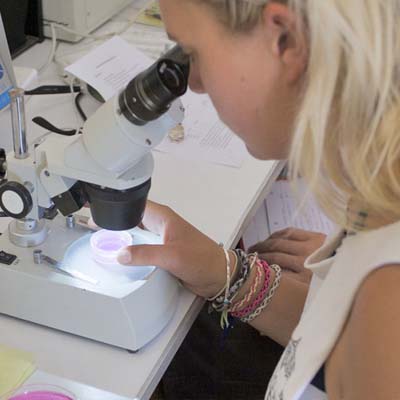
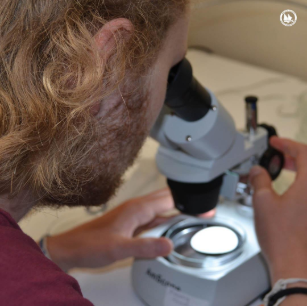
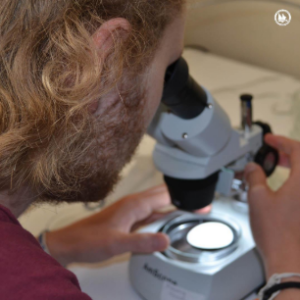
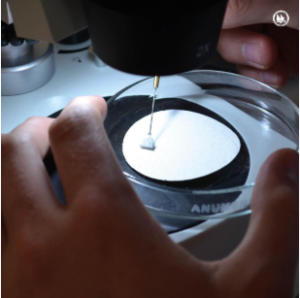
Microplastics research consists of recording the amount, type, and size of microplastics. This is the final step, however. Before any of this analyzation can occur a process must first be completed whose goal is to isolate the microplastics from a mixture of organic matter (remnants of the stranded animal’s guts) and microplastics. This process involves dissolving the organic matter with the proper chemicals, followed by filtering this mixture through a filter paper which traps only the microplastics. The rest of the unwanted solution passes through the filter paper and is disposed of. Once the filter paper has enough time to dry, it is ready to be analyzed for microplastics under the microscope.


Results & Discussion

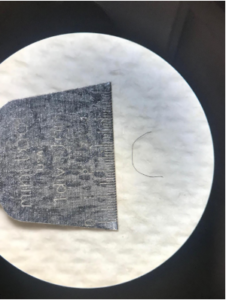
From the countless samples we have analyzed, we have found that each stranded animal has been polluted with microplastics. Most of the microplastics are fibers, which suggests a lot of the microplastics in this part of the Aegean sea are derived from fish nets that are made of long plastic fibers. The next most prominent type of microplastic is the fragment. Sheets have rarely appeared on the sample slides.
Where to now?

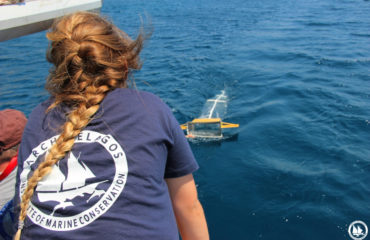
This question is not so easy to answer. At the moment there is no method to gather microplastics from bodies of water. What we can do is continue our research and share our findings with local, national and international governments. The more we’re able to understand the issue at hand, the easier it will be to discover solutions.

0
0
0
0
0

What you can read next

Tursiops truncatus (bottlenose dolphins) and their habitat use/ abundance in relation to different seasons
Combining Botany with Terrestrial Wildlife Research
Photo-Identification of Short Beaked Common Dolphins (Delphinus delphis)

HIGHLIGHTS

  • International Visitors at the Aegean Marine Life Sanctuary Project

    International Visitors at the Aegean Marine Life Sanctuary Project

    1 June 2021
    At Archipelagos Institute of Marine Conservation an important visit took …
  • The Efkranti Award was Granted to the Archipelagos Institute of Marine Conservation

    The Efkranti Award was Granted to the Archipelagos Institute of Marine Conservation

    27 July 2020
    It was a great honor but also great moral support …
  • The President of the Hellenic Republic’s visit to Archipelagos research vessel, the Aegean Explorer

    The President of the Hellenic Republic’s visit to Archipelagos research vessel, the Aegean Explorer

    30 June 2020
    Yesterday, during the President of the Republic’s visit to the …
  • Award to Archipelagos: Best Heroic Act of Environmental Stewardship

    Award to Archipelagos: Best Heroic Act of Environmental Stewardship

    19 February 2020
    The Short Documentary Film presenting the Aegean Marine Life Sanctuary, …
  • Award to Archipelagos Institute from the International Propeller Club of the United States

    Award to Archipelagos Institute from the International Propeller Club of the United States

    6 February 2020
    We would like to thank the International Propeller Club of …

Recent Posts

  • Photo-ID & Behavioral Assessments of Delphinus delphis in the Northern Aegean Sea

    Photo-ID & Behavioral Assessments of Delphinus delphis in the Northern Aegean Sea

    2 November 2023
    Yasas! Intern Alannah from the Marine Mammal Field here, currently …
  • Experiences After Work at Archipelagos

    Experiences After Work at Archipelagos

    2 November 2023
    Hi, I’m Ella and I completed a 6-week internship on …
  • Hands-on Projects with the Marine Mammal Research & Conservation Team

    Hands-on Projects with the Marine Mammal Research & Conservation Team

    2 November 2023
    My name is Sjoerd and I am in the last …
  • Planting Underwater Gardens of Posidonia seagrass- a new innovative planting process

    Planting Underwater Gardens of Posidonia seagrass- a new innovative planting process

    29 June 2023
    An innovative process of planting underwater gardens of Posidonia oceanica …
  • A special three-day research expedition to the Ikaria Trench

    A special three-day research expedition to the Ikaria Trench

    19 May 2023
    Archipelagos Marine Mammal Research team took part in a very …
  • Aegean Islet Conservation Project in cooperation with the University of Toronto’s Faculty of Architecture

    Aegean Islet Conservation Project in cooperation with the University of Toronto’s Faculty of Architecture

    17 May 2023
    A new cycle of interdisciplinary on-site research of the Aegean …
  • Mutilated Striped Dolphin Stranded on the shores of Samos Island

    Mutilated Striped Dolphin Stranded on the shores of Samos Island

    12 May 2023
    A mutilated striped dolphin was found stranded on the north …

Subscribe to Our Newsletter

Archipelagos Institute of Marine Conservation is committed to researching and defending the biodiversity of the Greek seas and islands.

Our action is possible only with your help!

donate
  • Contact us
  • Placements

Archipelagos - Institute of Marine Conservation © All Rights Reserved || Developed Fekas Brothers

TOP