Archipelagos

  • English
  • Ελληνικα
Who We Are
The TeamThe Team
Research BasesResearch Bases
Research BoatsResearch Boats
Our EquipmentOur Equipment
PartnersPartners
SupportersSupporters
Fields of Action
Marine ConservationMarine Conservation Fisheries Shipping Risks Seagrass Meadows Coralligene Conservation Littoral Ecosystems Invasive Species Jellyfish Sea Turtles
Marine MammalsMarine Mammals Dolphins and Porpoises Whales Seals
Terrestrial ConservationTerrestrial Conservation Island Fauna Forests & Flora Freshwater Ecosystems Aegean Seed Bank
Laboratory ResearchLaboratory Research Microplastics Water Analysis Soil Quality
Projects
Aegean Marine Life Sanctuary
Eco-Navigation
FIsh4Life
Save the Aegean
Join Us
Internships in the Aegean
Remote Internships
Interns Experiences
Field Courses
News
Planting Underwater Gardens of Posidonia seagrass- a new innovative planting process
Aegean Islet Conservation Project in cooperation with the University of Toronto’s Faculty of Architecture
Mutilated Striped Dolphin Stranded on the shores of Samos Island
Posidonia Seagrass Fruits Wash up on Our Shores – A Rare Phenomenon
View All...
Contact us
Publications
Videos
Awareness Material
Donate
Menu

Herpetofauna Monitoring in the south-east of Samos Island

Herpetofauna Monitoring in the south-east of Samos Island

by Kleopatra Delaveri / Wednesday, 07 November 2018 / Published in Intern Experience, Terrestrial Conservation Team, Work Journal

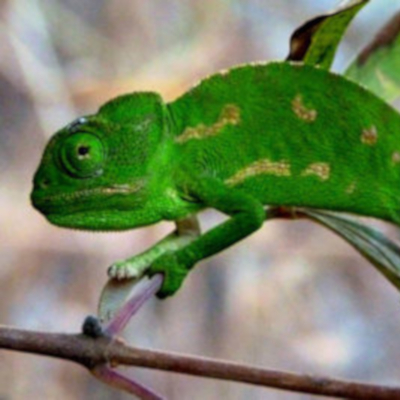
As the winter approaches reptiles are preparing for brumation, a process similar to hibernation but for cold-blooded animals, to handle an extreme change in temperature, burying themselves under the soil. Reptiles are crucial to study due to their high susceptibility to environmental changes and our projects focus on the habitat preference of the Common chameleon (Chamaeleo chamaeleon; Figure 1) and population estimation of the fresh water Balkan terrapin (Mauremys rivulata) and European Pond terrapin (Emys orbicularis).
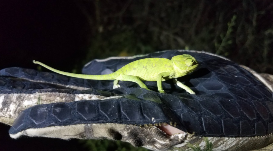
Figure 1 – C. chamaeleon hatchling. Samos island, Greece.

The common chameleon is an important reptile species found in a few locations in Europe. One of those is on the Greek island of Samos. The IUCN Red List of Threatened Species classifies it as “least concern”, but because the population is restricted to the island of Samos, more conservation measures have to be implemented. Studies on chameleon habitat are necessary to understand their adaptation to the environmental changes. Surveys are carried out in different habitats such as forests, riverbeds (Figure 2), salt marshes, olive groves, and coasts, where chameleon presence, environmental data and vegetation type are recorded.
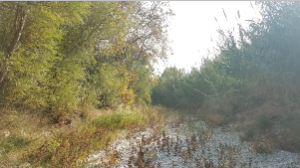
Figure 2 – Riverbed habitat. Samos island, Greece.

Currently the areas with the highest abundance of chameleons are riverbeds near the coast (55%). This could be for many reasons; ease of access to fresh water, a suitable habitat to lay eggs or a safe place to prepare for the winter. Chameleon populations are constantly under pressure on the island due to fires, domestic animals, roadkills, insecticides, and many other anthropogenic factors. Hopefully, these studies will push for conservation acts to protect the common chameleon.

Terrapins are another important reptile species found on the island of Samos in select water sources. These water sources usually run out into the sea providing suitable habitats for both freshwater and saltwater species. The study site for terrapins is a mill ruin located in Mesokampos (Figure 3) that supports many forms of other wildlife such as birds, plants, eels, and fish.
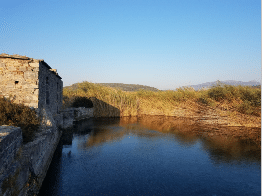
Figure 3 – Mesokampos Mill Field Site. Samos island, Greece.

The purpose of this study is to determine the populations of two terrapin species within the mill, E. orbicularis (Figure 4) and M. rivulata; (Figure 5)
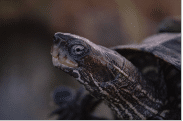
Figure 5 – M. rivulata. Samos island, Greece.
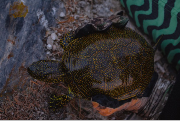
Figure 4 – E. orbicularis. Samos island, Greece


To determine population, terrapins are captured and marked along the shell to identify individuals for recapture. Measurements are also collected to study growth rates in the future. So far, 24 Balkan terrapins and 13 European pond terrapins have been marked.

Reptiles play a crucial role in the ecosystem on the island of Samos because they are extremely sensitive to their environment. Studies on reptiles can greatly aid in the conservation and restoration of the ecosystem of the entire island of Samos.

Jason Nagro, Environmental Science

University of Oregon, USA
0
0
0
0
0

What you can read next

Dolphin Communication vs. Noise Pollution in the Aegean Sea
Hands-on Projects with the Marine Mammal Research & Conservation Team
Analyzing the Health of Posidonia oceanica in Different Bays of Lipsi Island

HIGHLIGHTS

  • International Visitors at the Aegean Marine Life Sanctuary Project

    International Visitors at the Aegean Marine Life Sanctuary Project

    1 June 2021
    At Archipelagos Institute of Marine Conservation an important visit took …
  • The Efkranti Award was Granted to the Archipelagos Institute of Marine Conservation

    The Efkranti Award was Granted to the Archipelagos Institute of Marine Conservation

    27 July 2020
    It was a great honor but also great moral support …
  • The President of the Hellenic Republic’s visit to Archipelagos research vessel, the Aegean Explorer

    The President of the Hellenic Republic’s visit to Archipelagos research vessel, the Aegean Explorer

    30 June 2020
    Yesterday, during the President of the Republic’s visit to the …
  • Award to Archipelagos: Best Heroic Act of Environmental Stewardship

    Award to Archipelagos: Best Heroic Act of Environmental Stewardship

    19 February 2020
    The Short Documentary Film presenting the Aegean Marine Life Sanctuary, …
  • Award to Archipelagos Institute from the International Propeller Club of the United States

    Award to Archipelagos Institute from the International Propeller Club of the United States

    6 February 2020
    We would like to thank the International Propeller Club of …

Recent Posts

  • Photo-ID & Behavioral Assessments of Delphinus delphis in the Northern Aegean Sea

    Photo-ID & Behavioral Assessments of Delphinus delphis in the Northern Aegean Sea

    2 November 2023
    Yasas! Intern Alannah from the Marine Mammal Field here, currently …
  • Experiences After Work at Archipelagos

    Experiences After Work at Archipelagos

    2 November 2023
    Hi, I’m Ella and I completed a 6-week internship on …
  • Hands-on Projects with the Marine Mammal Research & Conservation Team

    Hands-on Projects with the Marine Mammal Research & Conservation Team

    2 November 2023
    My name is Sjoerd and I am in the last …
  • Planting Underwater Gardens of Posidonia seagrass- a new innovative planting process

    Planting Underwater Gardens of Posidonia seagrass- a new innovative planting process

    29 June 2023
    An innovative process of planting underwater gardens of Posidonia oceanica …
  • A special three-day research expedition to the Ikaria Trench

    A special three-day research expedition to the Ikaria Trench

    19 May 2023
    Archipelagos Marine Mammal Research team took part in a very …
  • Aegean Islet Conservation Project in cooperation with the University of Toronto’s Faculty of Architecture

    Aegean Islet Conservation Project in cooperation with the University of Toronto’s Faculty of Architecture

    17 May 2023
    A new cycle of interdisciplinary on-site research of the Aegean …
  • Mutilated Striped Dolphin Stranded on the shores of Samos Island

    Mutilated Striped Dolphin Stranded on the shores of Samos Island

    12 May 2023
    A mutilated striped dolphin was found stranded on the north …

Subscribe to Our Newsletter

Archipelagos Institute of Marine Conservation is committed to researching and defending the biodiversity of the Greek seas and islands.

Our action is possible only with your help!

donate
  • Contact us
  • Placements

Archipelagos - Institute of Marine Conservation © All Rights Reserved || Developed Fekas Brothers

TOP