
Archipelagos

  • English
  • Ελληνικα
Who We Are
The TeamThe Team
Research BasesResearch Bases
Research BoatsResearch Boats
Our EquipmentOur Equipment
PartnersPartners
SupportersSupporters
Fields of Action
Marine ConservationMarine Conservation Fisheries Shipping Risks Seagrass Meadows Coralligene Conservation Littoral Ecosystems Invasive Species Jellyfish Sea Turtles
Marine MammalsMarine Mammals Dolphins and Porpoises Whales Seals
Terrestrial ConservationTerrestrial Conservation Island Fauna Forests & Flora Freshwater Ecosystems Aegean Seed Bank
Laboratory ResearchLaboratory Research Microplastics Water Analysis Soil Quality
Projects
Aegean Marine Life Sanctuary
Eco-Navigation
FIsh4Life
Save the Aegean
Join Us
Internships in the Aegean
Remote Internships
Interns Experiences
Field Courses
News
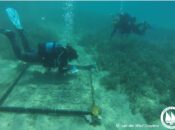
Planting Underwater Gardens of Posidonia seagrass- a new innovative planting process
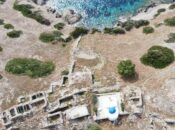
Aegean Islet Conservation Project in cooperation with the University of Toronto’s Faculty of Architecture
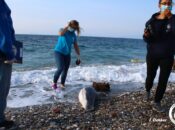
Mutilated Striped Dolphin Stranded on the shores of Samos Island
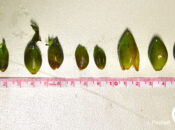
Posidonia Seagrass Fruits Wash up on Our Shores – A Rare Phenomenon
View All...
Contact us
Publications
Videos
Awareness Material
Donate
Menu

Study of Cetacean Population Dynamics Through Photo Identification Methodology

Study of Cetacean Population Dynamics Through Photo Identification Methodology

by Kleopatra Delaveri / Friday, 07 December 2018 / Published in Intern Experience, Marine Mammal Team, Work Journal

Recognising an individual within a study population is a key issue in many behavioural and ecological studies of animals. A good method for this is photo-identification (photo-ID), a technique that is based on the repeated identification of individuals through pictures. It is an important, non-invasive tool since marine mammals do not have to be physically captured, and it does not affect their behaviour.
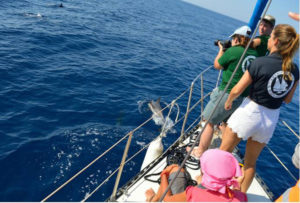
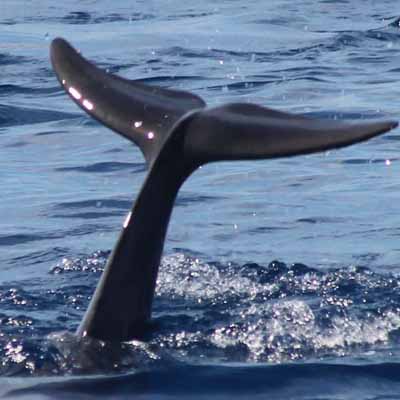
With photo-ID, it is possible to obtain data regarding cetacean population dynamics that are essential for proper environmental management as well as migration. For example, if a cetacean is photographed in the same region over several months it provides valuable evidence that the individual is resident, or if the individual is recorded from year-to-year it reveals good information regarding the animal’s longevity. The more information that can be obtained over time and from several individuals, the more one can learn about populations of that species, their size, individual growth, associations, mortality, and reproductive rates. Most photo-identification studies of dolphins rely on nicks and cuts in the dorsal fin, that provide long-lasting, individually unique markings. Particular abrasions on the tail flukes are key identifying markers for whales.
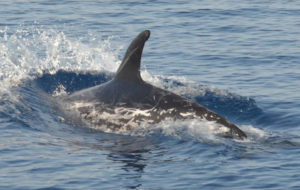
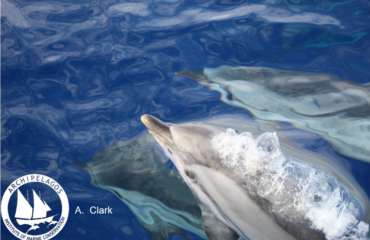
Archipelagos Institute of Marine Conservation is using photo-ID methodology to monitor cetacean populations in the Greek Seas. The investigated species for this research are Common Bottlenose dolphin (Tursiops truncatus), Short-beaked Common dolphin (Delphinus delphis), Striped dolphin (Stenella coeruleoalba), Risso’s dolphin (Grampus griseus) and Sperm Whale (Physeter macrocephalus). D. delphis and T. truncatus are the most recorded species and in the last three years (2016-2018), 75 and 54 different individuals were photographed respectively. Our main aim is to study cetacean population dynamics and continue conservation strategies in such data-deficient area as the Aegean Sea is


Dennis van der Grift, Biology

MBO College Almere, Netherlands
0
0
0
0
0

What you can read next

Monitoring Strandings of Marine Mammals and Turtles
Creation of a Guide for Identification of the Aegean Sea Fish Species of the Littoral Zone
Observation and Monitoring of the Mediterranean Monk Seal around Samos Island

HIGHLIGHTS

  • International Visitors at the Aegean Marine Life Sanctuary Project

    International Visitors at the Aegean Marine Life Sanctuary Project

    1 June 2021
    At Archipelagos Institute of Marine Conservation an important visit took …
  • The Efkranti Award was Granted to the Archipelagos Institute of Marine Conservation

    The Efkranti Award was Granted to the Archipelagos Institute of Marine Conservation

    27 July 2020
    It was a great honor but also great moral support …
  • The President of the Hellenic Republic’s visit to Archipelagos research vessel, the Aegean Explorer

    The President of the Hellenic Republic’s visit to Archipelagos research vessel, the Aegean Explorer

    30 June 2020
    Yesterday, during the President of the Republic’s visit to the …
  • Award to Archipelagos: Best Heroic Act of Environmental Stewardship

    Award to Archipelagos: Best Heroic Act of Environmental Stewardship

    19 February 2020
    The Short Documentary Film presenting the Aegean Marine Life Sanctuary, …
  • Award to Archipelagos Institute from the International Propeller Club of the United States

    Award to Archipelagos Institute from the International Propeller Club of the United States

    6 February 2020
    We would like to thank the International Propeller Club of …

Recent Posts

  • Photo-ID & Behavioral Assessments of Delphinus delphis in the Northern Aegean Sea

    Photo-ID & Behavioral Assessments of Delphinus delphis in the Northern Aegean Sea

    2 November 2023
    Yasas! Intern Alannah from the Marine Mammal Field here, currently …
  • Experiences After Work at Archipelagos

    Experiences After Work at Archipelagos

    2 November 2023
    Hi, I’m Ella and I completed a 6-week internship on …
  • Hands-on Projects with the Marine Mammal Research & Conservation Team

    Hands-on Projects with the Marine Mammal Research & Conservation Team

    2 November 2023
    My name is Sjoerd and I am in the last …
  • Planting Underwater Gardens of Posidonia seagrass- a new innovative planting process

    Planting Underwater Gardens of Posidonia seagrass- a new innovative planting process

    29 June 2023
    An innovative process of planting underwater gardens of Posidonia oceanica …
  • A special three-day research expedition to the Ikaria Trench

    A special three-day research expedition to the Ikaria Trench

    19 May 2023
    Archipelagos Marine Mammal Research team took part in a very …
  • Aegean Islet Conservation Project in cooperation with the University of Toronto’s Faculty of Architecture

    Aegean Islet Conservation Project in cooperation with the University of Toronto’s Faculty of Architecture

    17 May 2023
    A new cycle of interdisciplinary on-site research of the Aegean …
  • Mutilated Striped Dolphin Stranded on the shores of Samos Island

    Mutilated Striped Dolphin Stranded on the shores of Samos Island

    12 May 2023
    A mutilated striped dolphin was found stranded on the north …

Subscribe to Our Newsletter

Archipelagos Institute of Marine Conservation is committed to researching and defending the biodiversity of the Greek seas and islands.

Our action is possible only with your help!

donate
  • Contact us
  • Placements

Archipelagos - Institute of Marine Conservation © All Rights Reserved || Developed Fekas Brothers

TOP