Archipelagos

  • English
  • Ελληνικα
Who We Are
The TeamThe Team
Research BasesResearch Bases
Research BoatsResearch Boats
Our EquipmentOur Equipment
PartnersPartners
SupportersSupporters
Fields of Action
Marine ConservationMarine Conservation Fisheries Shipping Risks Seagrass Meadows Coralligene Conservation Littoral Ecosystems Invasive Species Jellyfish Sea Turtles
Marine MammalsMarine Mammals Dolphins and Porpoises Whales Seals
Terrestrial ConservationTerrestrial Conservation Island Fauna Forests & Flora Freshwater Ecosystems Aegean Seed Bank
Laboratory ResearchLaboratory Research Microplastics Water Analysis Soil Quality
Projects
Aegean Marine Life Sanctuary
Eco-Navigation
FIsh4Life
Save the Aegean
Join Us
Internships in the Aegean
Remote Internships
Interns Experiences
Field Courses
News
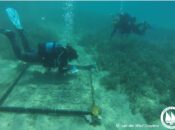
Planting Underwater Gardens of Posidonia seagrass- a new innovative planting process
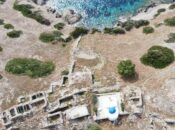
Aegean Islet Conservation Project in cooperation with the University of Toronto’s Faculty of Architecture
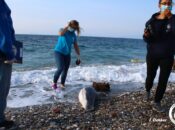
Mutilated Striped Dolphin Stranded on the shores of Samos Island
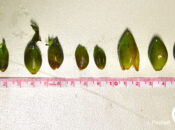
Posidonia Seagrass Fruits Wash up on Our Shores – A Rare Phenomenon
View All...
Contact us
Publications
Videos
Awareness Material
Donate
Menu

The Synergy of Scientific Knowledge and Media Tools is Essential for Conservation

The Synergy of Scientific Knowledge and Media Tools is Essential for Conservation

by Kleopatra Delaveri / Thursday, 25 April 2019 / Published in Intern Experience, Marine Conservation Team, Media Team, Work Journal

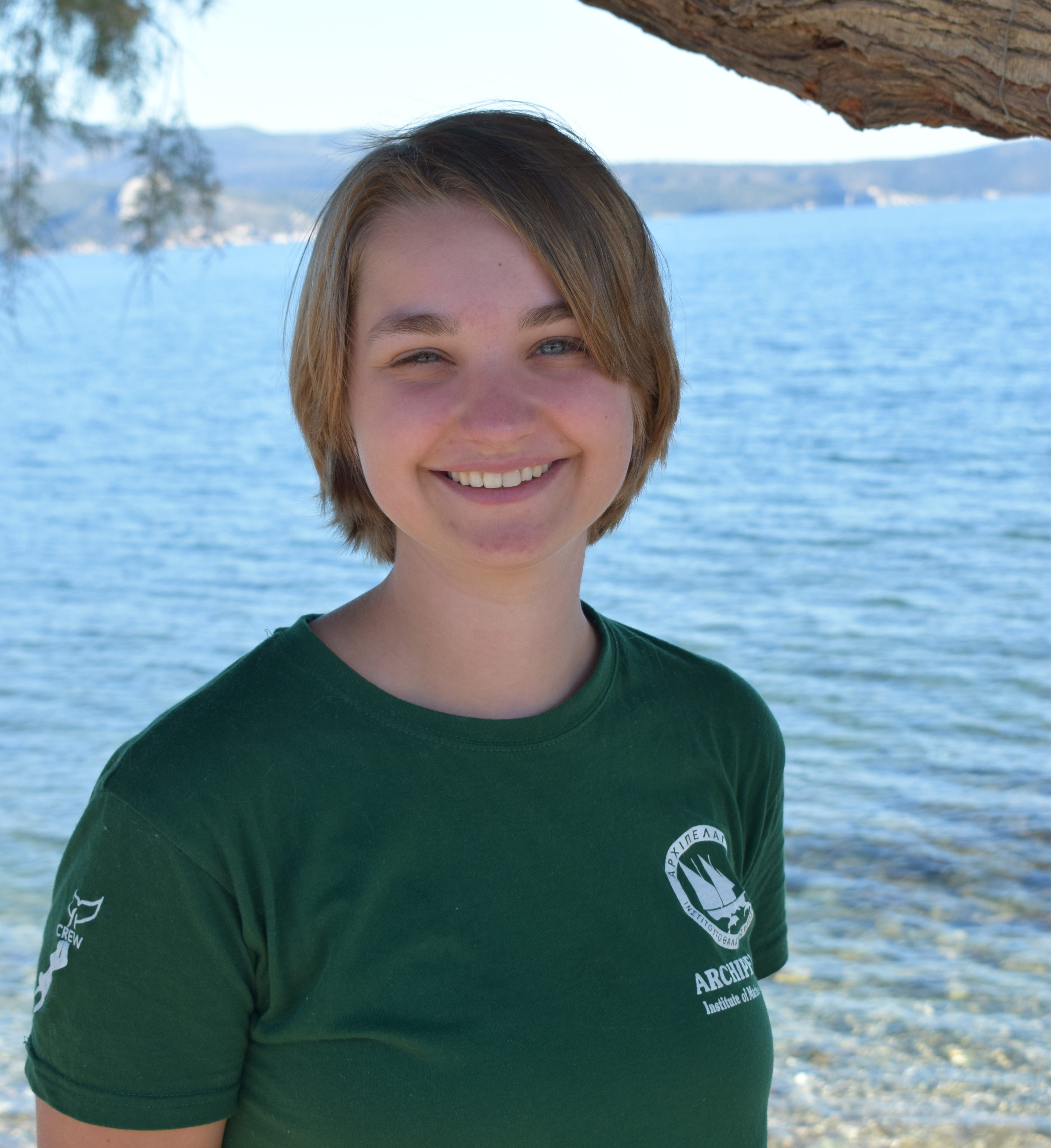
Before starting her studies in Biology at Radboud University in the Netherlands, our diving enthusiast Jente, is spending her gap year at Archipelagos. Through her internship, she has experienced how the synergy of scientific knowledge and media tools is an essential combination,l in order to effectively communicate the important message of marine conservation.

Having always been interested in marine biology, mixed with the lack of scientific gap year opportunities, Archipelagos was the perfect place for Jente to spend a year before continuing her studies and gain experience. However, her internship has not been limited to science based projects. Following her passion for creativity, Jente began designing materials for the media team, “most of the design skills I have right now I learned here, this ranges from infographics to scientific posters, using Adobe programmes such as Illustrator and InDesign.” Her innate love of art combined with her hard efforts to develop these skills, have been vital in producing Archipelagos’ scientific posters and awareness materials. A combination of scientific research and considered visuals is a vital effective tool to raising awareness and educate.

[siteorigin_widget class=”WP_Widget_Media_Image”][/siteorigin_widget]

As a member of the Marine Conservation team, Jente is working alongside masters and bachelor university students and graduates on two projects. The first is surveying the abundance and health of the Nobel Pen Shell, Pinna nobilis. P. nobilis is a protected species and the largest bivalve mollusc in the Mediterranean. It plays an essential role within marine ecosystems by improving the water quality and filtering sea water. However, due to human induced threats such as illegal fishing and trawling this seafloor species is dying out.

[siteorigin_widget class=”WP_Widget_Media_Image”][/siteorigin_widget]

Additionally, the P. nobilis is greatly impacted by a devastating parasite, first recognised in 2018 and currently spreading throughout the Mediterranean, it is another cause of the death of the species. For this reason, Archipelagos’ marine conservation team carry out surveys in which they locate where they suspect they might find P. nobilis, with the aims to observe the living or dead pen shells. With the results of this study, researchers can continue to monitor the spread of the parasite, which in turn causes significant habitat destruction to other smaller inhabitants of the sea. So far the team have found very little evidence of dead or alive P. nobilis, “before the winter months of 2018 we surveyed Mykali beach (a nearby beach) and discovered five P. nobilis, yet we checked a month ago and couldn’t find any.” Such findings highlight the extent of their vulnerable status.

[siteorigin_widget class=”WP_Widget_Media_Image”][/siteorigin_widget]

Additionally, Jente participates with surveys monitoring an artificial reef, the purpose of which is to increase biodiversity of the surrounding seas. Observational surveys are important to see how effective this particular prototype is so we can know if this model can be applied to Vroulia Bay, the location of the Aegean Marine Life Sanctuary. Jente explains, “so far the reef has attracted large groups of small fish but it is hard to expand on that because other factors come into play. We also have a control site, however during the course of the project, both sites have changed due to sea currents or storms. Both sites were similar in the beginning but not anymore.”

[siteorigin_widget class=”WP_Widget_Media_Image”][/siteorigin_widget]

Known within Archipelagos for her passion for diving, Jente decided to share her skills amongst other interns: “It’s a relatively new thing, but I noticed not many people have the skills to free dive. It is essential for conservation surveys and helpful in collecting photographic evidence, so I worked with my supervisor to implement training for fellow interns.

Reminiscing over the past seven months, Jente expresses how it has been “a unique experience, it’s very interesting living with so many people of different nationalities which has taught many new social skills and given me a different take on life.” The total length of her internship is ten months, but she expresses how a shorter timeline would have limited herself, “I would not have been introduced to the designing aspect of my internship if I was here for a shorter period of time.”
 

0
0
0
0
0

What you can read next

Monitoring Diurnal Variation in Marine Macroinvertebrates
Remote Internship – a photo-identification study of the short-beaked common dolphin, Delphinus delphis
Eco-Navigation: Our Citizen Science Platform

HIGHLIGHTS

  • International Visitors at the Aegean Marine Life Sanctuary Project

    International Visitors at the Aegean Marine Life Sanctuary Project

    1 June 2021
    At Archipelagos Institute of Marine Conservation an important visit took …
  • The Efkranti Award was Granted to the Archipelagos Institute of Marine Conservation

    The Efkranti Award was Granted to the Archipelagos Institute of Marine Conservation

    27 July 2020
    It was a great honor but also great moral support …
  • The President of the Hellenic Republic’s visit to Archipelagos research vessel, the Aegean Explorer

    The President of the Hellenic Republic’s visit to Archipelagos research vessel, the Aegean Explorer

    30 June 2020
    Yesterday, during the President of the Republic’s visit to the …
  • Award to Archipelagos: Best Heroic Act of Environmental Stewardship

    Award to Archipelagos: Best Heroic Act of Environmental Stewardship

    19 February 2020
    The Short Documentary Film presenting the Aegean Marine Life Sanctuary, …
  • Award to Archipelagos Institute from the International Propeller Club of the United States

    Award to Archipelagos Institute from the International Propeller Club of the United States

    6 February 2020
    We would like to thank the International Propeller Club of …

Recent Posts

  • Photo-ID & Behavioral Assessments of Delphinus delphis in the Northern Aegean Sea

    Photo-ID & Behavioral Assessments of Delphinus delphis in the Northern Aegean Sea

    2 November 2023
    Yasas! Intern Alannah from the Marine Mammal Field here, currently …
  • Experiences After Work at Archipelagos

    Experiences After Work at Archipelagos

    2 November 2023
    Hi, I’m Ella and I completed a 6-week internship on …
  • Hands-on Projects with the Marine Mammal Research & Conservation Team

    Hands-on Projects with the Marine Mammal Research & Conservation Team

    2 November 2023
    My name is Sjoerd and I am in the last …
  • Planting Underwater Gardens of Posidonia seagrass- a new innovative planting process

    Planting Underwater Gardens of Posidonia seagrass- a new innovative planting process

    29 June 2023
    An innovative process of planting underwater gardens of Posidonia oceanica …
  • A special three-day research expedition to the Ikaria Trench

    A special three-day research expedition to the Ikaria Trench

    19 May 2023
    Archipelagos Marine Mammal Research team took part in a very …
  • Aegean Islet Conservation Project in cooperation with the University of Toronto’s Faculty of Architecture

    Aegean Islet Conservation Project in cooperation with the University of Toronto’s Faculty of Architecture

    17 May 2023
    A new cycle of interdisciplinary on-site research of the Aegean …
  • Mutilated Striped Dolphin Stranded on the shores of Samos Island

    Mutilated Striped Dolphin Stranded on the shores of Samos Island

    12 May 2023
    A mutilated striped dolphin was found stranded on the north …

Subscribe to Our Newsletter

Archipelagos Institute of Marine Conservation is committed to researching and defending the biodiversity of the Greek seas and islands.

Our action is possible only with your help!

donate
  • Contact us
  • Placements

Archipelagos - Institute of Marine Conservation © All Rights Reserved || Developed Fekas Brothers

TOP