Archipelagos

  • English
  • Ελληνικα
Who We Are
The TeamThe Team
Research BasesResearch Bases
Research BoatsResearch Boats
Our EquipmentOur Equipment
PartnersPartners
SupportersSupporters
Fields of Action
Marine ConservationMarine Conservation Fisheries Shipping Risks Seagrass Meadows Coralligene Conservation Littoral Ecosystems Invasive Species Jellyfish Sea Turtles
Marine MammalsMarine Mammals Dolphins and Porpoises Whales Seals
Terrestrial ConservationTerrestrial Conservation Island Fauna Forests & Flora Freshwater Ecosystems Aegean Seed Bank
Laboratory ResearchLaboratory Research Microplastics Water Analysis Soil Quality
Projects
Aegean Marine Life Sanctuary
Eco-Navigation
FIsh4Life
Save the Aegean
Join Us
Internships in the Aegean
Remote Internships
Interns Experiences
Field Courses
News
Planting Underwater Gardens of Posidonia seagrass- a new innovative planting process
Aegean Islet Conservation Project in cooperation with the University of Toronto’s Faculty of Architecture
Mutilated Striped Dolphin Stranded on the shores of Samos Island
Posidonia Seagrass Fruits Wash up on Our Shores – A Rare Phenomenon
View All...
Contact us
Publications
Videos
Awareness Material
Donate
Menu

Mapping and investigating coralligenous habitats in the mesophotic zone (30-150m)

Mapping and investigating coralligenous habitats in the mesophotic zone (30-150m)

by Aanastasia Miliou / Friday, 22 July 2022 / Published in Intern Experience, Marine Conservation Team
intern experience marine conservation

As a marine researcher recently receiving my B.Sc. in Marine Science, I was eager to get more experience in the field. When I graduated, I discovered Archipelagos and knew it would provide me with the perfect remote location where I can research an area that is not well understood or explored. Therefore, I made the decision to stay for a duration of 11 months to adequately study the Aegean Sea. With a high abundance of species and complex benthic habitats, the Aegean acts as an ideal biodiversity hotspot. However, due to the lack of scientific data there is little known about the deeper zones of this sea. My aim was to learn more about these environments to ultimately help ensure the enforcement of conservation measures.

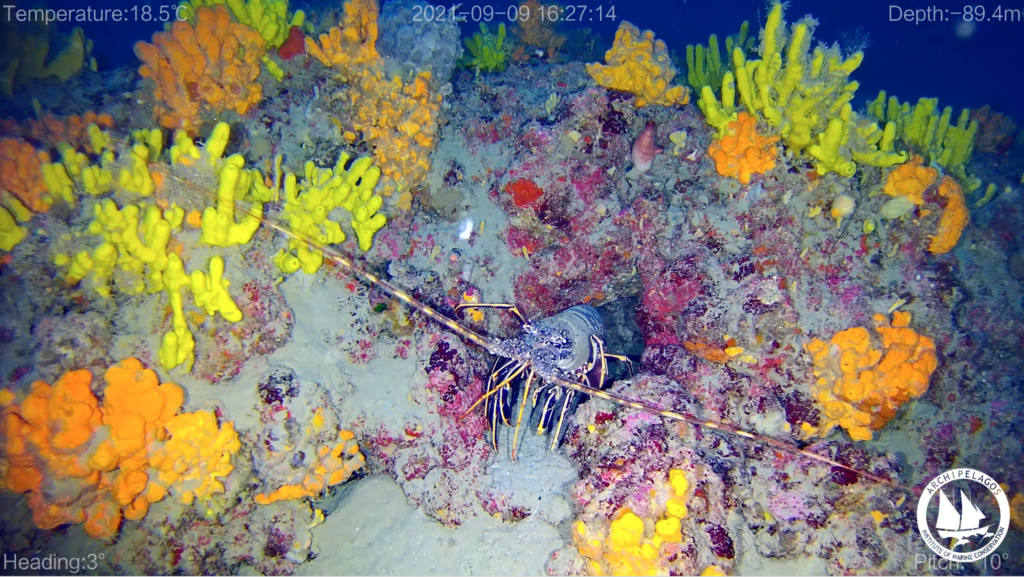
My initial months working with Archipelagos I was lucky enough to be a part of the crew for the very first .coralligenous expedition The main objective was to map and investigate coralligenous habitats in the mesophotic zone (30-150m). The term “coralligenous” refers to coralline algae that produces a biogenic substrate on an otherwise sandy seafloor. This habitat attracts many marine flora and fauna by providing a higher structural complexity similar to a coral reef. Although it serves as an essential habitat, (i.e. providing species with shelter, spawning grounds, feeding sources, and more) there is a severe lack of conservation legislations that are properly implemented. By filling knowledge gaps and accumulating data surrounding these communities it increases the likelihood that these measurements will be enforced. Therefore, we set sail on an expedition and the discoveries exceeded our expectations.
Archipelagos intern experience marine conservation

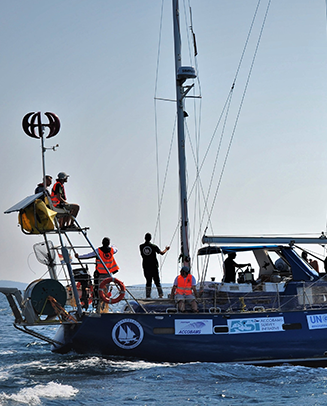
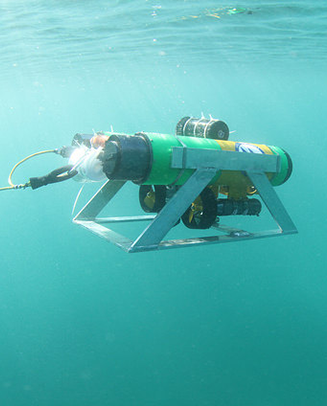
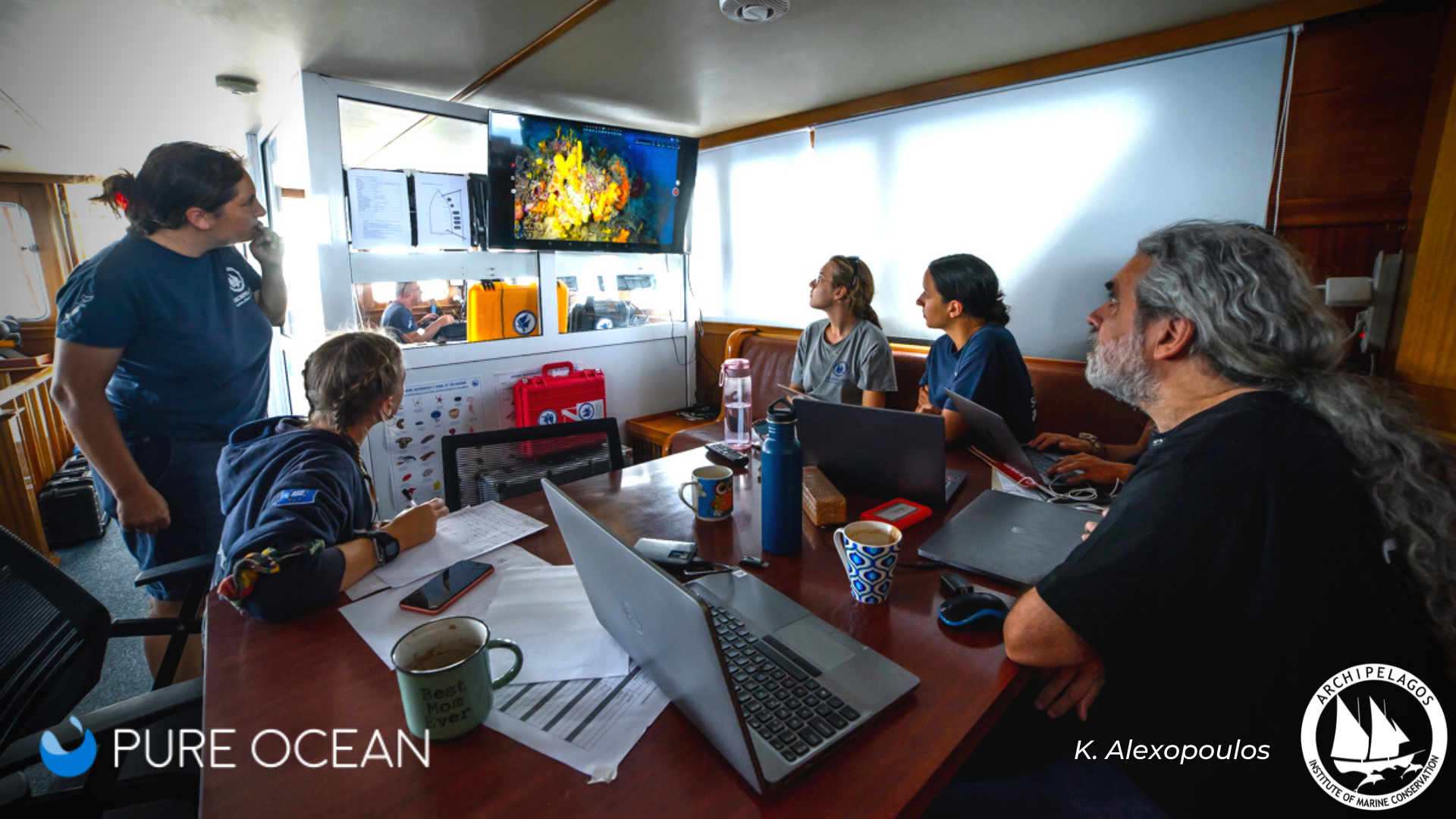
Preliminary assessments began by using Local Ecological Knowledge (LEK). Citizen science data came from artisanal fishermen of the Dodecanese islands who were able to give insight on coralligenous locations, setting the foundation for all expeditions. Using advanced equipment, such as underwater acoustic technology and Remotely Operated Vehicles (ROVs), the crew onboard the Aegean Explorer vessel was able to detect coralligenous communities and identify species with the help of expert taxonomists. Observational surveys led to a larger understanding of mesophotic benthic habitats and resulted in over 250 species of marine life being identified.
investigating the coralligenous habitats

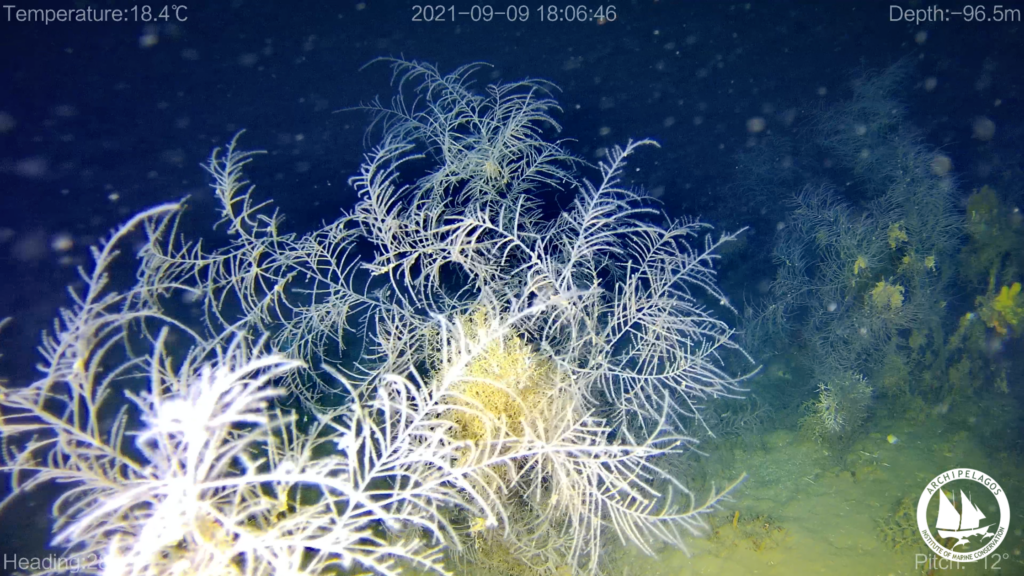
By analyzing the ROV videos, I was able to compare the different habitats (i.e. coralligenous reefs, maërl/rhodolith beds, sea pen fields, black coral forests, etc.) and observe the connectivity between each of them. Although there were similarities regarding distribution and species, it was clear that different phyla preferred different biogenic constructions. For example, sponges were found to dominate areas of coralligenous assemblages while other species largely preferred attaching themselves to the tree-like corals around 100-meter depths.With the findings from these expeditions, Archipelagos is determined to convince authorities to ensure enforcement of “no-trawl zones” with the hope that these vulnerable ecosystems are protected from destructive fishing methods and other anthropogenic impacts.

I am grateful to have been part of such a large project, contribute to Archipelagos’conservation goals, and further my knowledge in marine research.

Lana Mena, B.Sc. in Marine Science, Stockton University, United States of America
0
0
0
0
0
Tagged under: coralligenous, intern experience, international school of the sea

What you can read next

Photo-ID & Behavioral Assessments of Delphinus delphis in the Northern Aegean Sea
Research Expeditions over the Ikaria Trench 
Posidonia oceanica Restoration Project

HIGHLIGHTS

  • International Visitors at the Aegean Marine Life Sanctuary Project

    International Visitors at the Aegean Marine Life Sanctuary Project

    1 June 2021
    At Archipelagos Institute of Marine Conservation an important visit took …
  • The Efkranti Award was Granted to the Archipelagos Institute of Marine Conservation

    The Efkranti Award was Granted to the Archipelagos Institute of Marine Conservation

    27 July 2020
    It was a great honor but also great moral support …
  • The President of the Hellenic Republic’s visit to Archipelagos research vessel, the Aegean Explorer

    The President of the Hellenic Republic’s visit to Archipelagos research vessel, the Aegean Explorer

    30 June 2020
    Yesterday, during the President of the Republic’s visit to the …
  • Award to Archipelagos: Best Heroic Act of Environmental Stewardship

    Award to Archipelagos: Best Heroic Act of Environmental Stewardship

    19 February 2020
    The Short Documentary Film presenting the Aegean Marine Life Sanctuary, …
  • Award to Archipelagos Institute from the International Propeller Club of the United States

    Award to Archipelagos Institute from the International Propeller Club of the United States

    6 February 2020
    We would like to thank the International Propeller Club of …

Recent Posts

  • Photo-ID & Behavioral Assessments of Delphinus delphis in the Northern Aegean Sea

    Photo-ID & Behavioral Assessments of Delphinus delphis in the Northern Aegean Sea

    2 November 2023
    Yasas! Intern Alannah from the Marine Mammal Field here, currently …
  • Experiences After Work at Archipelagos

    Experiences After Work at Archipelagos

    2 November 2023
    Hi, I’m Ella and I completed a 6-week internship on …
  • Hands-on Projects with the Marine Mammal Research & Conservation Team

    Hands-on Projects with the Marine Mammal Research & Conservation Team

    2 November 2023
    My name is Sjoerd and I am in the last …
  • Planting Underwater Gardens of Posidonia seagrass- a new innovative planting process

    Planting Underwater Gardens of Posidonia seagrass- a new innovative planting process

    29 June 2023
    An innovative process of planting underwater gardens of Posidonia oceanica …
  • A special three-day research expedition to the Ikaria Trench

    A special three-day research expedition to the Ikaria Trench

    19 May 2023
    Archipelagos Marine Mammal Research team took part in a very …
  • Aegean Islet Conservation Project in cooperation with the University of Toronto’s Faculty of Architecture

    Aegean Islet Conservation Project in cooperation with the University of Toronto’s Faculty of Architecture

    17 May 2023
    A new cycle of interdisciplinary on-site research of the Aegean …
  • Mutilated Striped Dolphin Stranded on the shores of Samos Island

    Mutilated Striped Dolphin Stranded on the shores of Samos Island

    12 May 2023
    A mutilated striped dolphin was found stranded on the north …

Subscribe to Our Newsletter

Archipelagos Institute of Marine Conservation is committed to researching and defending the biodiversity of the Greek seas and islands.

Our action is possible only with your help!

donate
  • Contact us
  • Placements

Archipelagos - Institute of Marine Conservation © All Rights Reserved || Developed Fekas Brothers

TOP