
Archipelagos

  • English
  • Ελληνικα
Who We Are
The TeamThe Team
Research BasesResearch Bases
Research BoatsResearch Boats
Our EquipmentOur Equipment
PartnersPartners
SupportersSupporters
Fields of Action
Marine ConservationMarine Conservation Fisheries Shipping Risks Seagrass Meadows Coralligene Conservation Littoral Ecosystems Invasive Species Jellyfish Sea Turtles
Marine MammalsMarine Mammals Dolphins and Porpoises Whales Seals
Terrestrial ConservationTerrestrial Conservation Island Fauna Forests & Flora Freshwater Ecosystems Aegean Seed Bank
Laboratory ResearchLaboratory Research Microplastics Water Analysis Soil Quality
Projects
Aegean Marine Life Sanctuary
Eco-Navigation
FIsh4Life
Save the Aegean
Join Us
Internships in the Aegean
Remote Internships
Interns Experiences
Field Courses
News
Planting Underwater Gardens of Posidonia seagrass- a new innovative planting process
Aegean Islet Conservation Project in cooperation with the University of Toronto’s Faculty of Architecture
Mutilated Striped Dolphin Stranded on the shores of Samos Island
Posidonia Seagrass Fruits Wash up on Our Shores – A Rare Phenomenon
View All...
Contact us
Publications
Videos
Awareness Material
Donate
Menu

The Devaluation of the Greek Islands: Agathonisi

The Devaluation of the Greek Islands: Agathonisi

by Dimitris Fekkas / Wednesday, 10 August 2022 / Published in News

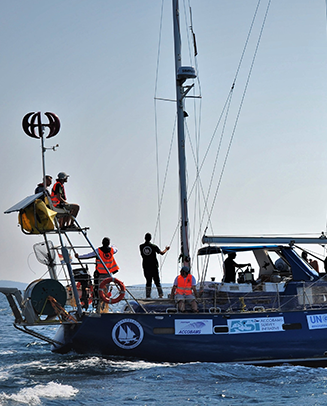
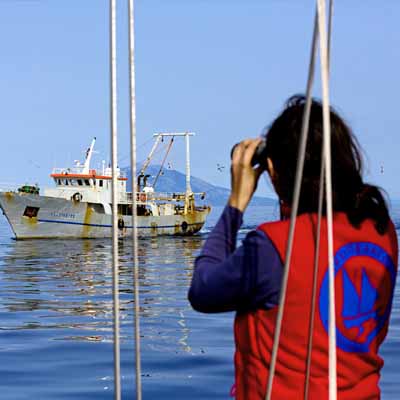
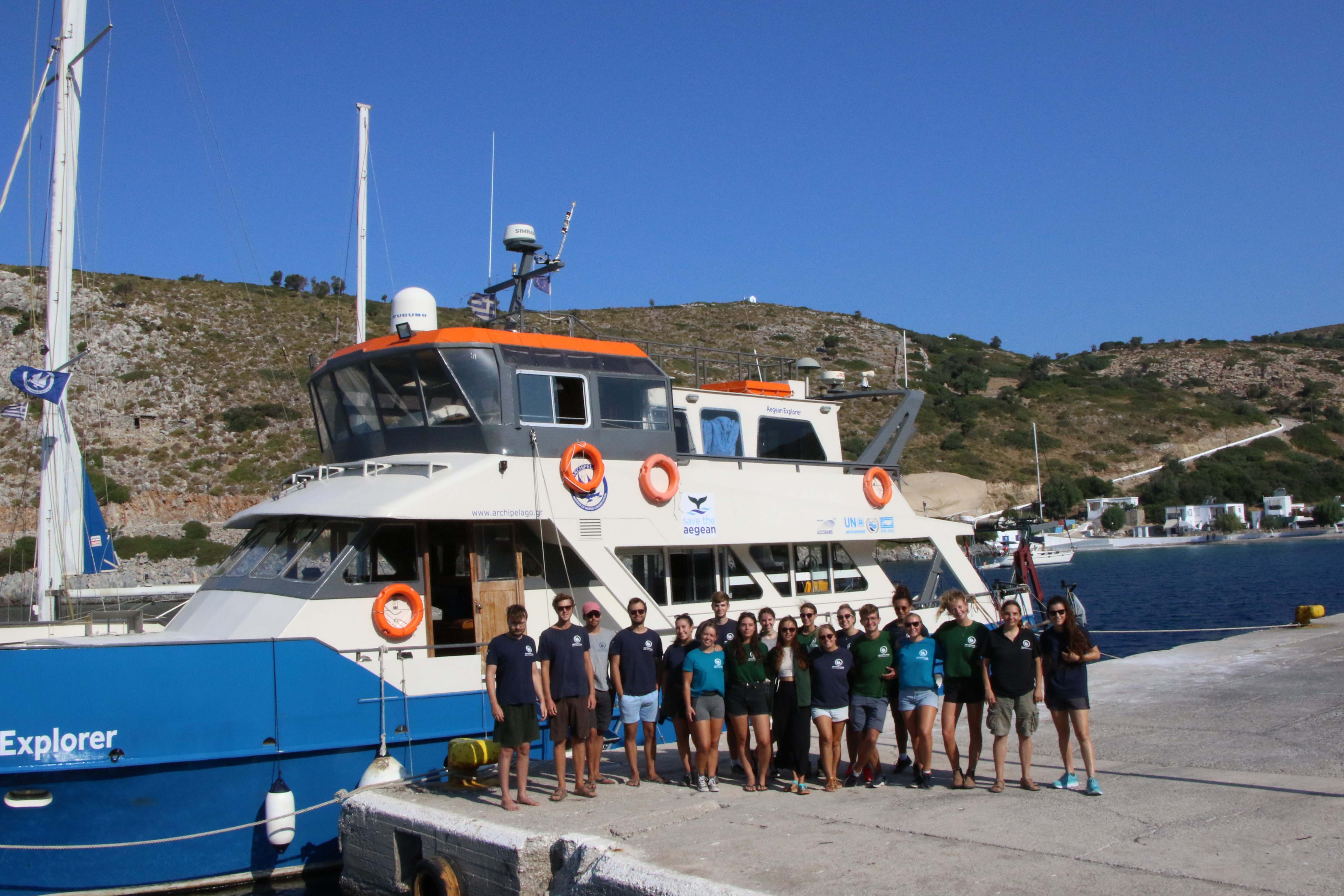
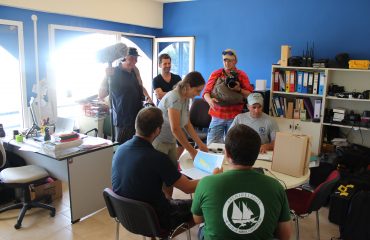
These days, our research vessels Aegean Explorer and Naftilos are operating around Agathonisi island – a marine region of great importance that has been in the center of Archipelagos Institute’s focus for over two decades.

The irony however stands to the fact that even in the case of islands as important as Agathonisi, the nation’s interest is limited to promises and occasional glamorous visits by the government representatives.

The economy of the island and the economic independence it used to have, are being devalued for decades. For example, with regards to the fisheries sector, the state has practically “bought off” the island’s small-scale coastal fishermen (as it did in many other regions as well), taking away their licenses in exchange for a small grant, enough only for them to build 2-3 “rooms to rent”. However, today the 9th of August in the peak of summer season these rooms remain empty, in an island with almost no visitors and tourists. At the same time, funding towards livestock with no sustainable plan in place destroyed the land of several islands due to the irreversible degradation caused by overgrazing. This consequently impacted dramatically the livestock owners themselves, who as a result of the depletion of grazing lands became dependent on expensive imported animal feed. These small communities which base their survival on peaceful coexistence, have been led to conflicts between them, as the – funded – livestock herds move uncontrollably in search of grazing land, making impossible the very existence of agriculture in those areas.
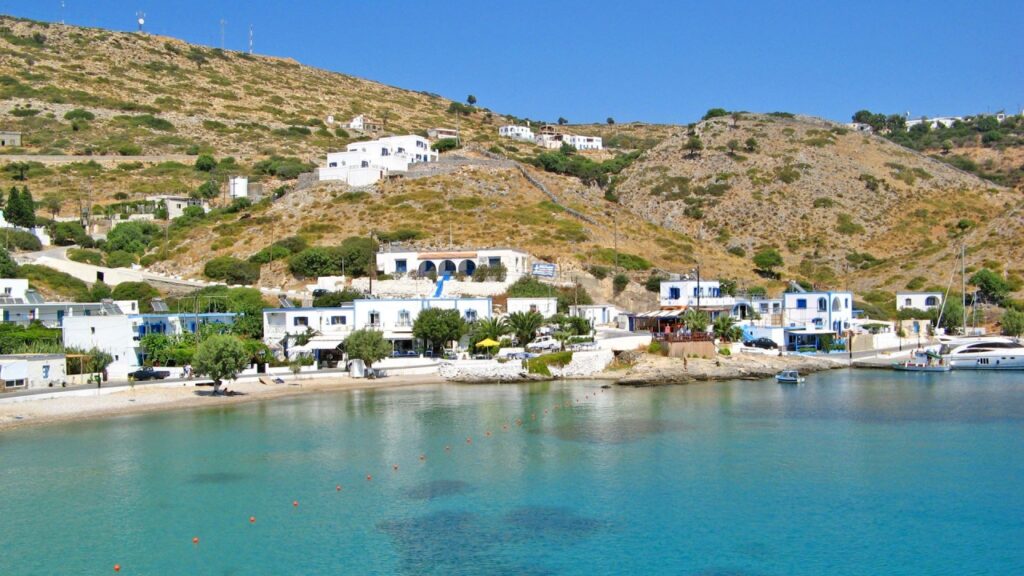
The island’s municipality – highly understaffed – is making a great effort to cover the needs of its community. However, the cost of living there is at least double compared to that in a city, with local people having to cover a large cost even to transport their own supplies (e.g. food etc.) from neighboring islands via ferry boat. They have to pay for every single box they transport a fare greater than that of passengers, despite the fact that in these remote areas, ferry boats are subsidized with thousands of euros daily.

Having lost their professional access to the sea and having switched to tourism for yet another year without any visitors, makes us wonder how the residents of this small island near the border of Greece are supposed to survive the winter. How many of those who have told us that they can’t make it there any longer will be forced to leave their island, as so many other inhabitants of the small islands have already done? It is time to wonder who is really posing a threat to the future of these small islands and the people that inhabit them, and devalue over many decades with policies that gradually lead them to desertification.
 

0
0
0
0
0

What you can read next

Over Intensive Aquaculture or Sustainable Development?
Sperm whales
Sperm whales in the northern and central Aegean, as we keep up the continuous research in the Greek seas
Potential hydrocarbon exploration in Greece, will Blue or Black Growth be the choice?

HIGHLIGHTS

  • International Visitors at the Aegean Marine Life Sanctuary Project

    International Visitors at the Aegean Marine Life Sanctuary Project

    1 June 2021
    At Archipelagos Institute of Marine Conservation an important visit took …
  • The Efkranti Award was Granted to the Archipelagos Institute of Marine Conservation

    The Efkranti Award was Granted to the Archipelagos Institute of Marine Conservation

    27 July 2020
    It was a great honor but also great moral support …
  • The President of the Hellenic Republic’s visit to Archipelagos research vessel, the Aegean Explorer

    The President of the Hellenic Republic’s visit to Archipelagos research vessel, the Aegean Explorer

    30 June 2020
    Yesterday, during the President of the Republic’s visit to the …
  • Award to Archipelagos: Best Heroic Act of Environmental Stewardship

    Award to Archipelagos: Best Heroic Act of Environmental Stewardship

    19 February 2020
    The Short Documentary Film presenting the Aegean Marine Life Sanctuary, …
  • Award to Archipelagos Institute from the International Propeller Club of the United States

    Award to Archipelagos Institute from the International Propeller Club of the United States

    6 February 2020
    We would like to thank the International Propeller Club of …

Recent Posts

  • Photo-ID & Behavioral Assessments of Delphinus delphis in the Northern Aegean Sea

    Photo-ID & Behavioral Assessments of Delphinus delphis in the Northern Aegean Sea

    2 November 2023
    Yasas! Intern Alannah from the Marine Mammal Field here, currently …
  • Experiences After Work at Archipelagos

    Experiences After Work at Archipelagos

    2 November 2023
    Hi, I’m Ella and I completed a 6-week internship on …
  • Hands-on Projects with the Marine Mammal Research & Conservation Team

    Hands-on Projects with the Marine Mammal Research & Conservation Team

    2 November 2023
    My name is Sjoerd and I am in the last …
  • Planting Underwater Gardens of Posidonia seagrass- a new innovative planting process

    Planting Underwater Gardens of Posidonia seagrass- a new innovative planting process

    29 June 2023
    An innovative process of planting underwater gardens of Posidonia oceanica …
  • A special three-day research expedition to the Ikaria Trench

    A special three-day research expedition to the Ikaria Trench

    19 May 2023
    Archipelagos Marine Mammal Research team took part in a very …
  • Aegean Islet Conservation Project in cooperation with the University of Toronto’s Faculty of Architecture

    Aegean Islet Conservation Project in cooperation with the University of Toronto’s Faculty of Architecture

    17 May 2023
    A new cycle of interdisciplinary on-site research of the Aegean …
  • Mutilated Striped Dolphin Stranded on the shores of Samos Island

    Mutilated Striped Dolphin Stranded on the shores of Samos Island

    12 May 2023
    A mutilated striped dolphin was found stranded on the north …

Subscribe to Our Newsletter

Archipelagos Institute of Marine Conservation is committed to researching and defending the biodiversity of the Greek seas and islands.

Our action is possible only with your help!

donate
  • Contact us
  • Placements

Archipelagos - Institute of Marine Conservation © All Rights Reserved || Developed Fekas Brothers

TOP