

An innovative process of planting underwater gardens of Posidonia oceanica seagrass, was just completed in the southeastern Aegean Sea by researchers from Archipelagos Institute of Marine Conservation after 3 months of preparation. Given the rarity of the phenomenon of seagrass bearing flowers and fruits, this method of planting Posidonia seagrass has been applied only a few times worldwide.
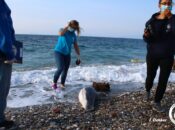
It is noteworthy that for the first time in 10 years, last autumn we recorded the flowering of Posidonia seagrass. Whilst in the spring on many Aegean coasts as well as in other areas of the Mediterranean there was a large aggregation of fruits and seeds of the species. Having collected over 12,000 seeds, Archipelagos Institute researchers spent 3 months preparing the experimental planting by recording their growth both in laboratory conditions, as well as in storage/growth areas in the sea. Last week, when the shoots reached the right size, the planting of the underwater gardens was possible. Different experimental planting practices were applied in parallel, at different depths, in order to determine the most effective planting methods. This innovative project took place on the island of Lipsi in the bay of the Aegean Marine Life Sanctuary.
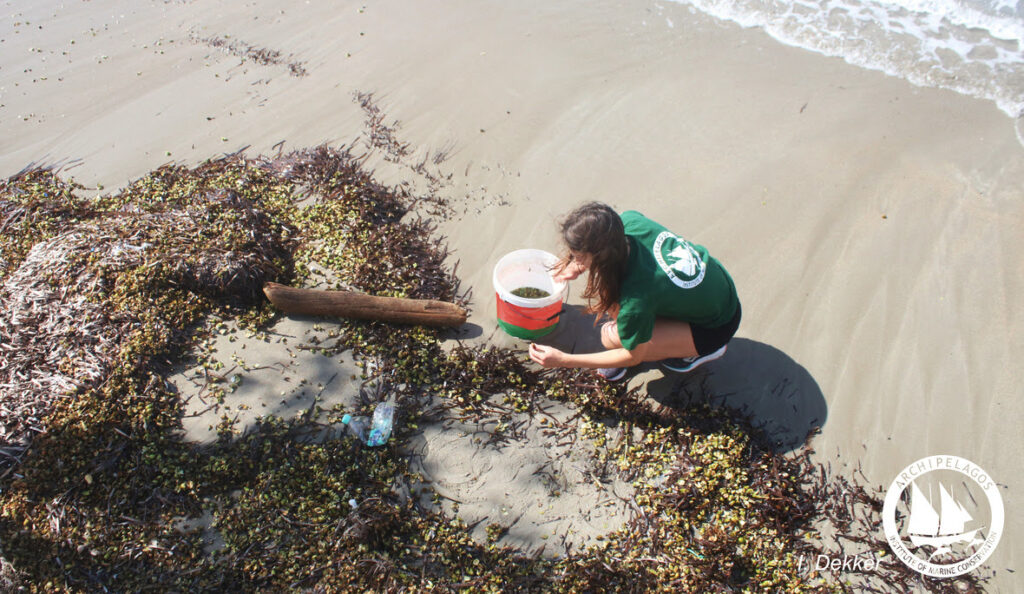
After 10 years, this spring we recorded a large concentration of Posidonia fruits and seeds on many Aegean and Mediterranean coasts.
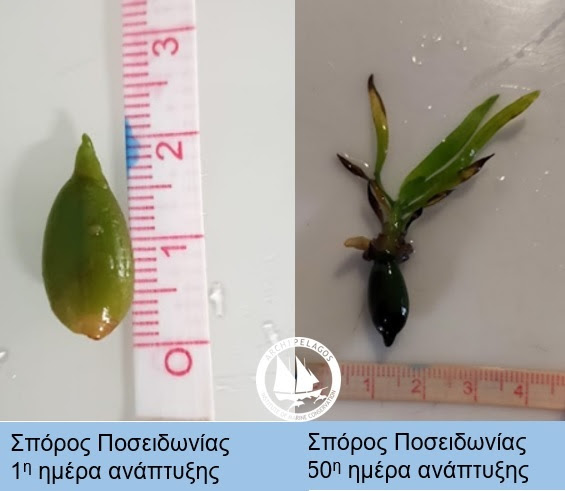
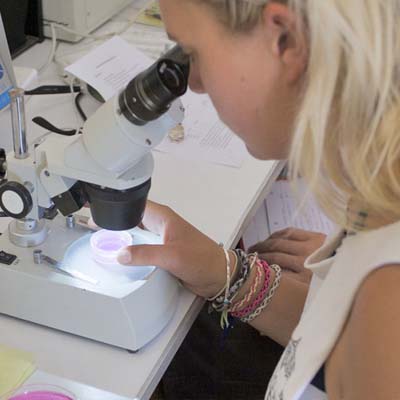
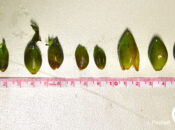
Monitoring the growth of Posidonia seeds in laboratory conditions
By protecting the Posidonia seagrass Meadows – we are effectively protecting our seas
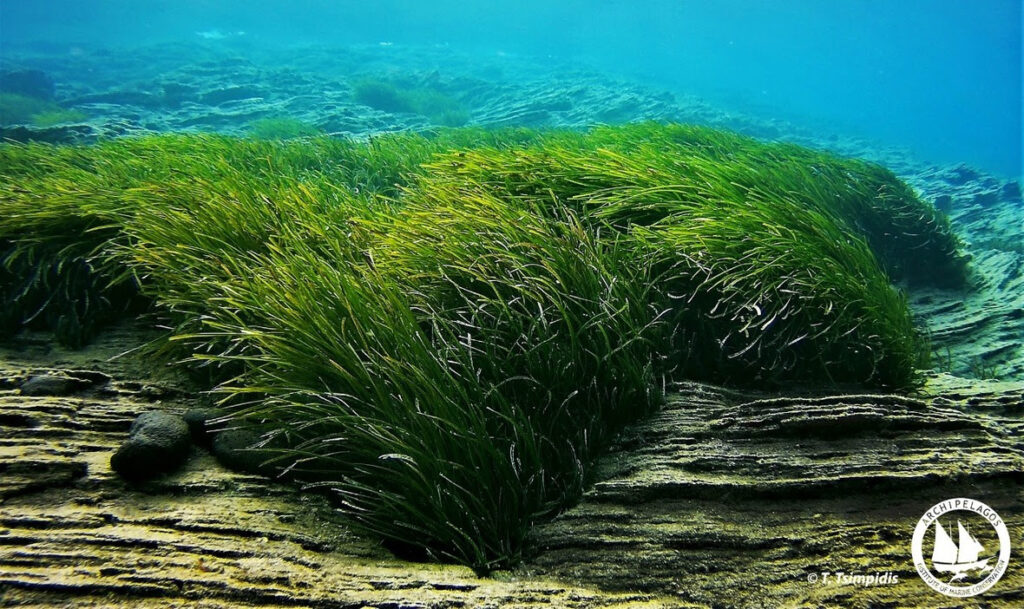
Posidonia seagrass meadows are the invaluable forests of our seas:
▪ They are not algae, but a species of higher plant, similar to those found on the land from which they originate. Posidonia seagrass flowers and bears fruit.
▪ They form a deep network of rhizomes with which they retain the sediment of the seafloor and essentially form an invaluable natural barrier, preventing beach erosion phenomena.
▪ The clarity and purity of our seas relies on them– Posidonia meadows are home to more than 300 species of algae and over 1000 species of marine animals
▪ They are found exclusively in the Mediterranean Sea from shallow waters to a depth of 50 metres
▪ They absorb up to 35 times more carbon than tropical forests. They are therefore an invaluable ally in tackling the effects of climate change
▪ The destruction of a Posidonia seagrass meadow results in the destruction of an entire ecosystem but also the release of all the blue carbon stored in them.
▪ It will take over a century for a destroyed seagrass meadow to grow again. Their effective protection is therefore an absolute priority.
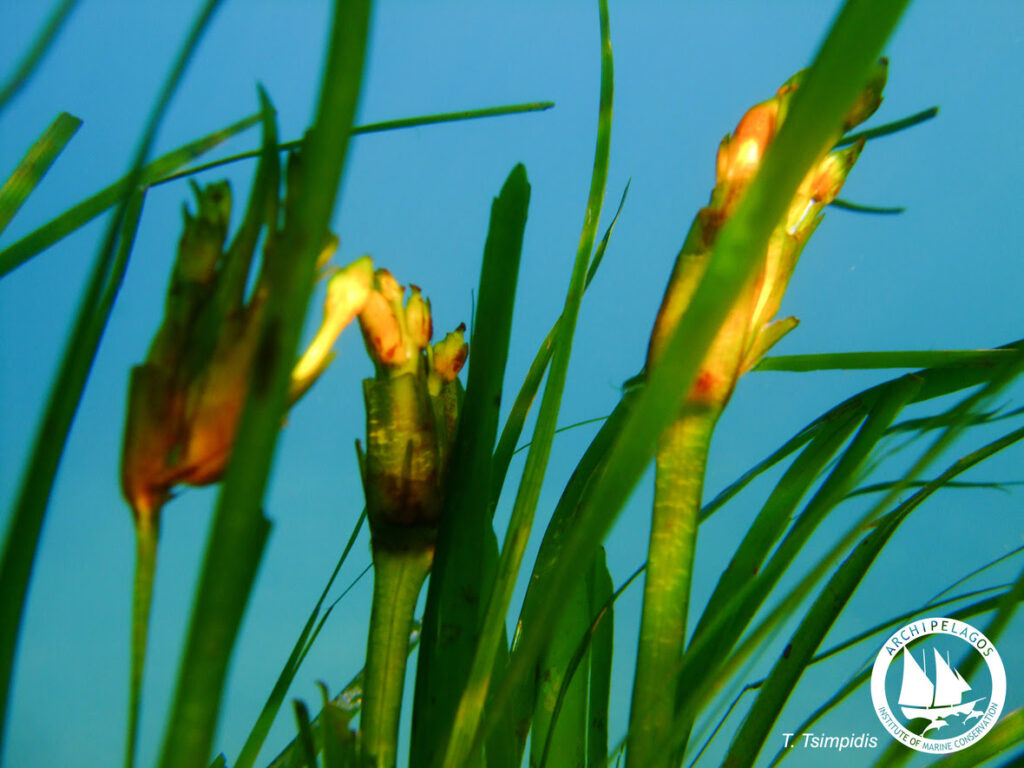
Posidonia flower – for the first time in 10 years last autumn we recorded the flowering of the Posidonia seagrass meadows
Planting the underwater gardens
At Archipelagos Institute of Marine Conservation, for the past 5 years we have been implementing the challenging project of underwater replanting of seagrass meadows in collaboration with experts from the Department of Biology of the University of Essex, UK. Our underwater reforestation methodologies have already been the subject of scientific publications. They are based on low-cost, high-performance practices that can be used to implement extensive planting in large marine areas. Only natural and biodegradable materials are used for planting. Until now, planting has been carried out exclusively using cuttings – i.e. fragments of plants uprooted by boat anchors or by strong sea turbulence.
Planting with the use of small plants grown from Posidonia seeds has just been achieved for the first time in Greek seas and is one of the few times it has been practised worldwide. As part of the difficult project of planting the underwater gardens, the contribution of KORRES company is vital, which has been supporting this great effort for 3 years now.
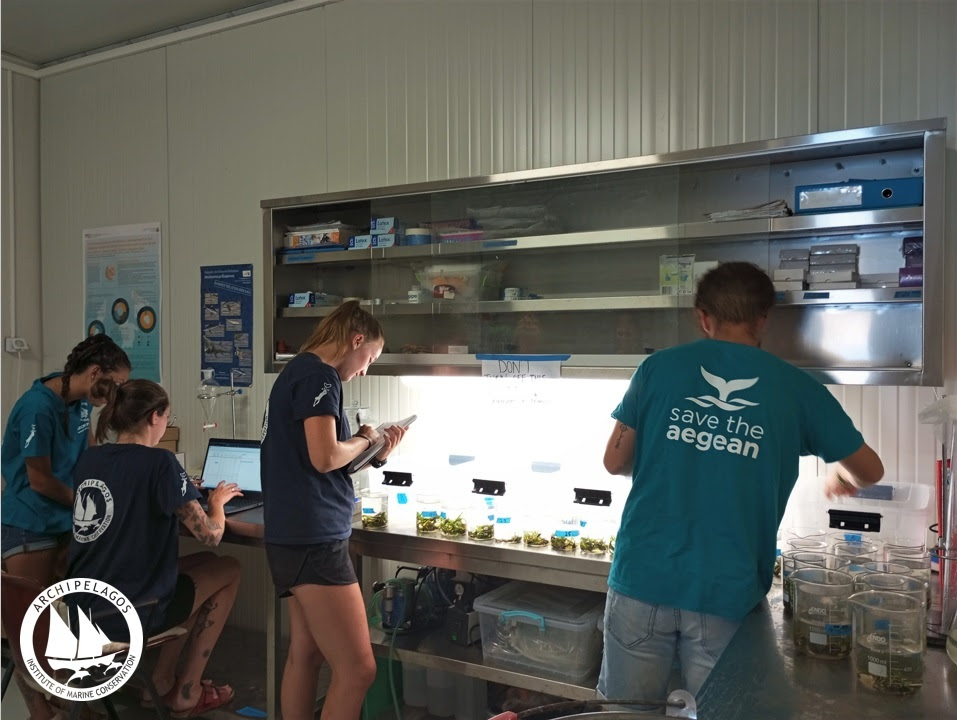
After 3 months of preparing the seeds for experimental planting by recording their growth both in laboratory conditions and in storage and growth areas in the sea, it was now possible to plant the underwater gardens.
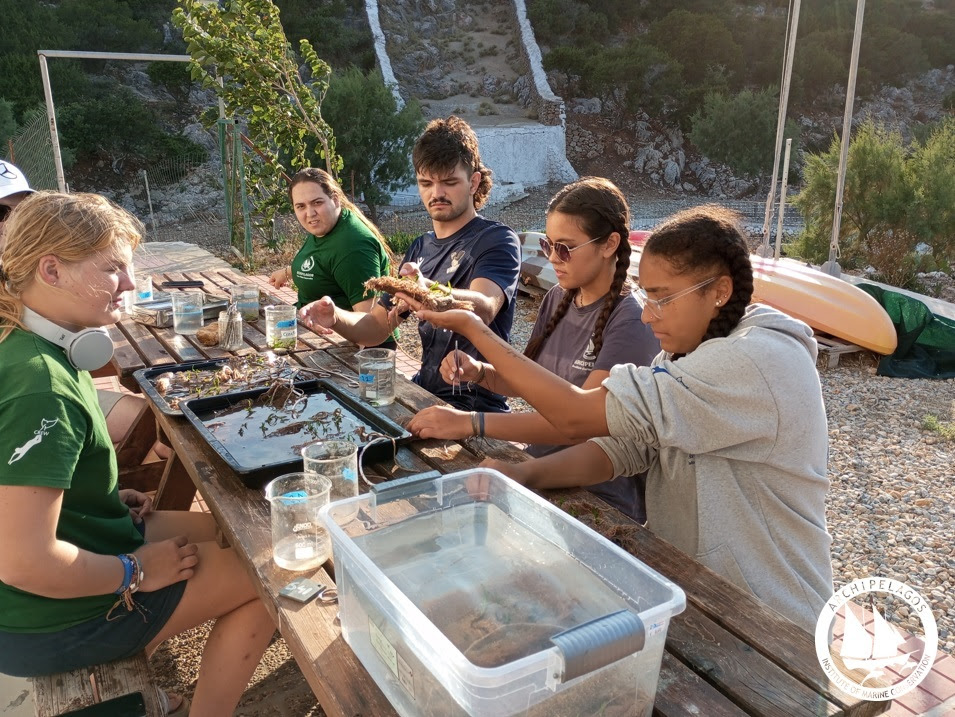
Preparing for planting
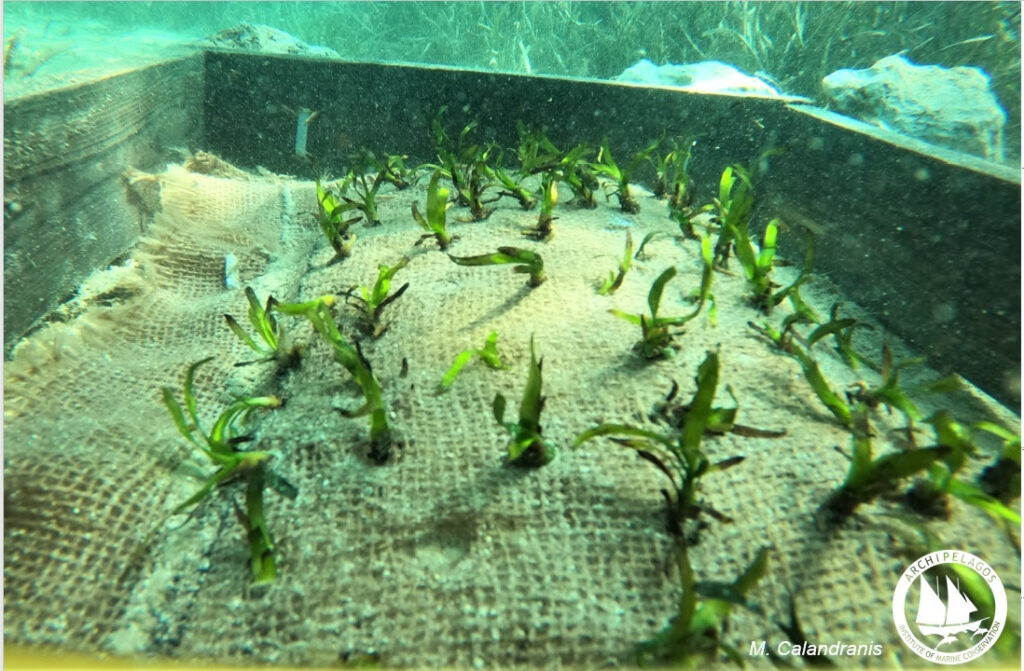
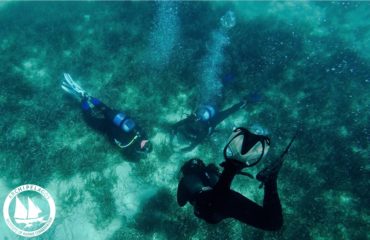
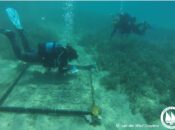
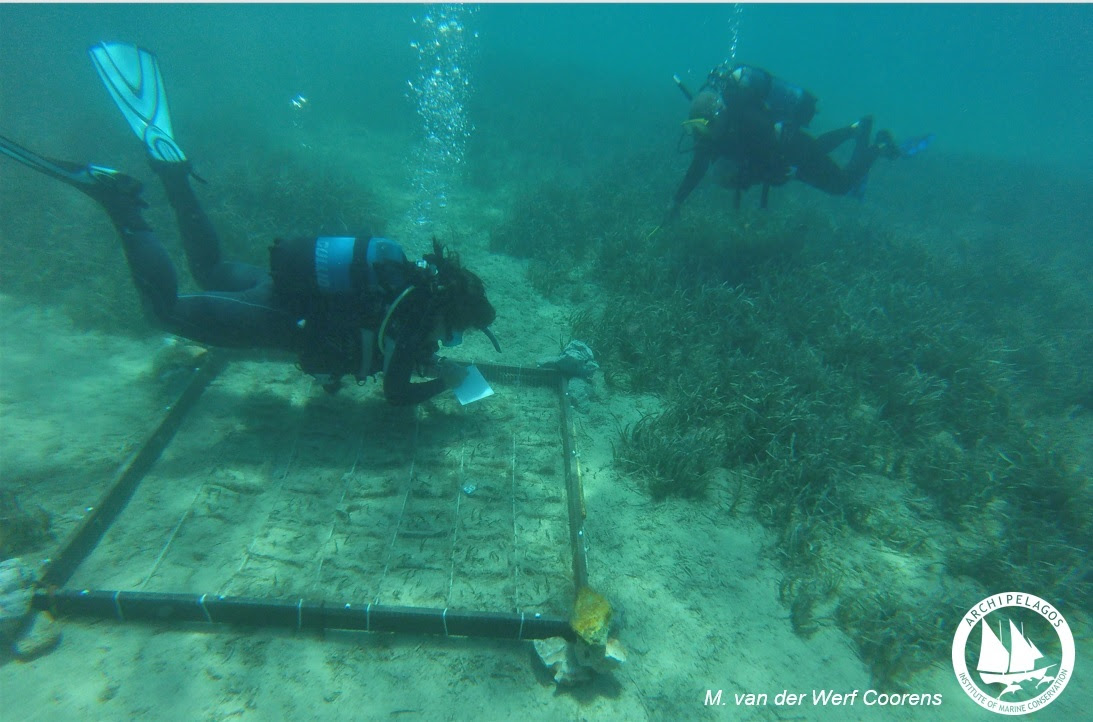
Underwater Posidonia Garden was just planted
The natural growth rate of Posidonia seagrass is very slow at about 6 cm/year and gardens require special care in the first years of growth. However, we have recorded that the underwater gardens we planted in previous years are already providing habitats for many marine species, which is a key indicator of the success of the project.
One of Archipelagos Institute’s main objectives through this process is to develop expertise to encourage the planting of Posidonia seagrass gardens in other areas of the Aegean and the Mediterranean, thus contributing to the reversal of the ongoing destruction of seagrass beds. The extent of these invaluable marine ecosystems has already been reduced by at least 34% in the Mediterranean due to human activity such as uncontrolled anchoring, destructive fishing practices and intensive fish farming near seagrass meadows.
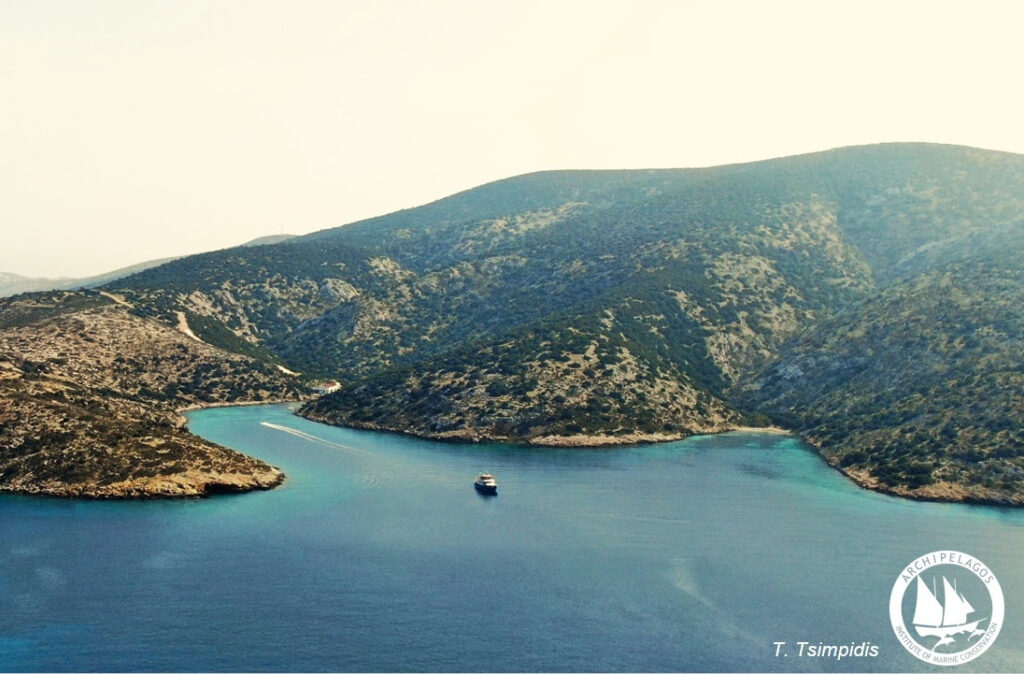
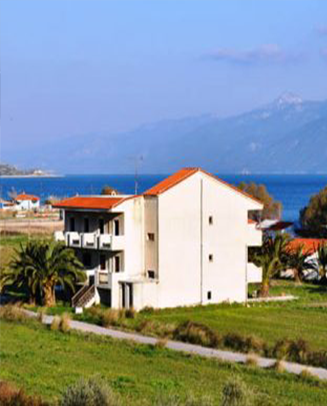
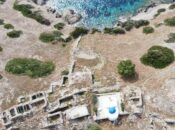
The innovative endeavour of planting Posidonia seagrass with the use of seeds took place on the island of Lipsi, in the bay of the Aegean Marine Life Sanctuary.
The strategy and objective of the Archipelagos Institute, based on extensive research into factors that threaten marine biodiversity, is to implement solutions to halt the threats that are increasingly destroying life in our seas. But it should be emphasised once again that the protection of the environment and our seas is not a matter for a few, but a common responsibility that requires the active and substantial participation of all of us.
For “Archipelagos” Institute of Marine Conservation
Anastasia Miliou
a.miliou@archipelago.gr