


Comparison of Microplastics Found Within the Gastrointestinal Tract of Caretta caretta
Wednesday, 05 July 2017
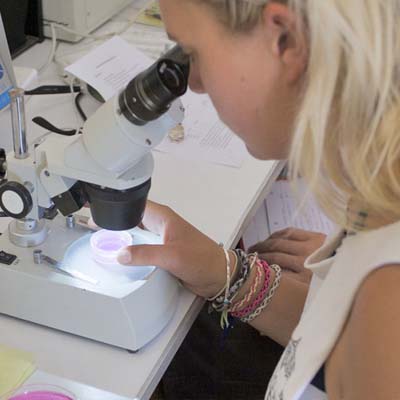
Megan J. Kelly, University of Salford Lauren .J. Kageler, Dickinson College The pollutions of the oceans is a rising concern of environmentalists and researchers worldwide. Plastic production and its usage in several fields, from food packaging over water bottling to clothing, increased in the last years. Being cheap in production and durable over a
- Published in Intern Experience, Microplastic Team, Work Journal
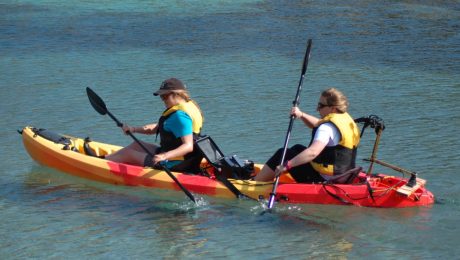
Mapping Seagrass Meadows With Specially Equipped Kayaks
Wednesday, 05 July 2017
The GIS (Geographic Information Systems) team of Archipelagos Institute is spread out over Samos and Lipsi islands. They work in collaboration with other teams to create tools that facilitate better research, field work and communication of data. This means that GIS projects encompass smaller, more supportive tasks in addition to their own major projects. The
- Published in GIS Team, Intern Experience, Work Journal
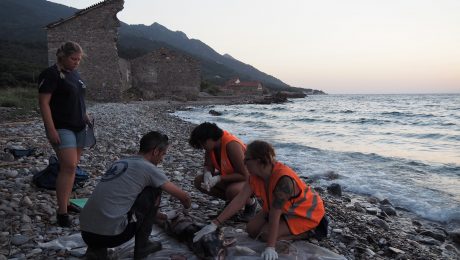
Monitoring Strandings of Marine Mammals and Turtles
Tuesday, 04 July 2017
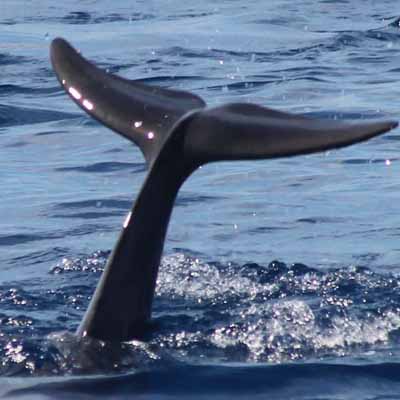
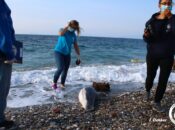
The Archipelagos Marine Mammal Research Team has collected for over 15 years, data from stranded marine animals including sea turtles (Caretta caretta), dolphins (Stenella coeruleoalba, Delphinus delphis, Tursiops truncatus), and monk seals (Monachus monachus) from various areas of Greece. The aim of this work is to determine potential hotspots in the Greek Sea and then
- Published in Intern Experience, Marine Mammal Team, Work Journal
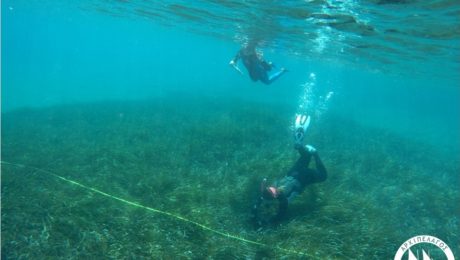
Development of a Methodology to Assess Anchor Damages on Posidonia Seagrass Meadows
Friday, 23 June 2017
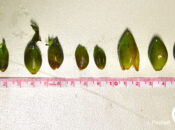
Following the increase of coastal urbanization, 46% of the Posidonia oceanica meadows have disappeared or become threatened by a number of factors including boat anchoring. In the Aegean islands, where recreational yachting is a major touristic activity this environmental threat is an increasing problem. This can be backtracked to boat owners who are probably not
- Published in Intern Experience, Marine Conservation Team, Work Journal
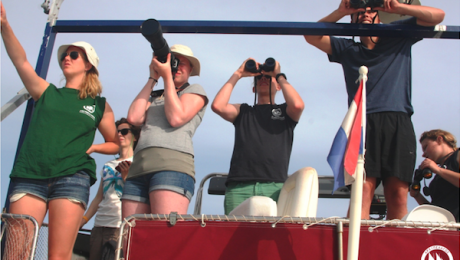
Photo-Identification of Short Beaked Common Dolphins (Delphinus delphis)
Wednesday, 21 June 2017
The Marine Mammal Team of Archipelagos Institute has for many years been collecting photographs of the populations of the resident Short Beaked Common dolphins (Delphinus delphis) while conducting boat surveys. This valuable photographic material is then processed to perform photo identification via mark and recapture techniques. The researchers and students of Archipelagos’ Marine Mammal Team
- Published in Intern Experience, Marine Mammal Team, Work Journal
Research Assessing the Dietary Preferences of Golden Jackals
Thursday, 29 December 2016
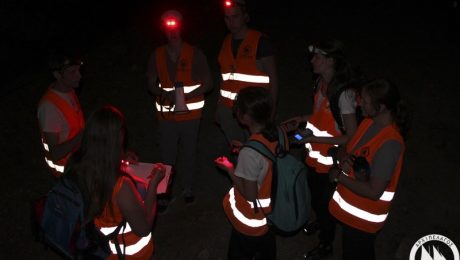
The Golden Jackals are opportunistic feeders, meaning that they will eat anything available, ranging from grapes and carobs to rodents and birds or even animal carcasses. The aim of this research project is to investigate the preference of seasonal and easy to find food, like carob or olives, with not so common, man-made food, like
- Published in Intern Experience, Terrestrial Conservation Team, Work Journal
Installation Project of Lipsi Base
Thursday, 29 December 2016
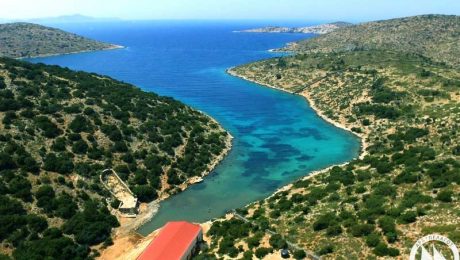
On Lipsi Island, where the Aegean Marine Life Sanctuary will be located, the renewable energy team is aiming to create a research base and veterinary clinic that may fully function using renewable energy sources. With the average monthly sunshine on Lipsi reaching approximately 400 hours, and winter sunshine hours still above 100, solar panels are
- Published in Intern Experience, Renewable Energy Team, Work Journal
Material for Awareness Raising on the Threats of Plastics
Thursday, 29 December 2016
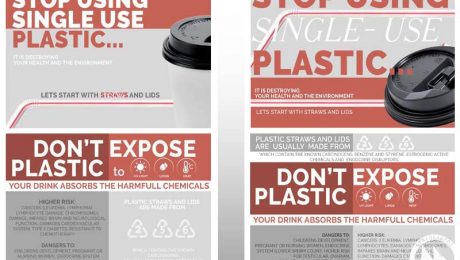
This month Archipelagos’ media team, in cooperation with Microplastics research team, worked on posters and leaflets as a part of an awareness raising campaign in regards to “Why we are moving away from Plastic”. The main goal is to enlighten the public on how small plastic particles can leach from plastic materials that we all use daily
- Published in Intern Experience, Media Team, Work Journal
In Search for Microplastics: Analysing the Content of a Loggerhead Turtle’ s Gastrointestinal Tract
Wednesday, 28 December 2016
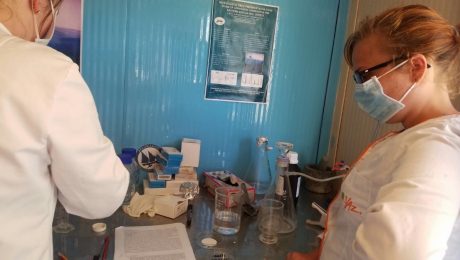
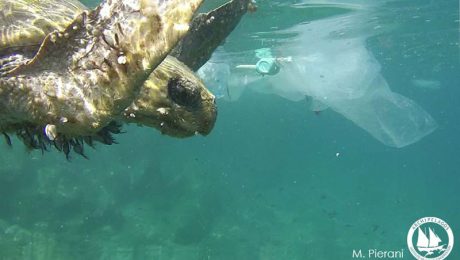
At the beginning of November, a sea turtle stranding (Caretta caretta) on Psili Ammos beach allowed the start of a new study: micro-plastic research in stomach and intestinal contents. The sea turtle was necropsied and the gastrointestinal tract was removed and frozen for later lab work. Over the next few weeks, a number of papers
- Published in Intern Experience, Microplastic Team, Work Journal
Habitat Modelling of Common Dolphin by Using Different Dynamic Models
Sunday, 27 November 2016
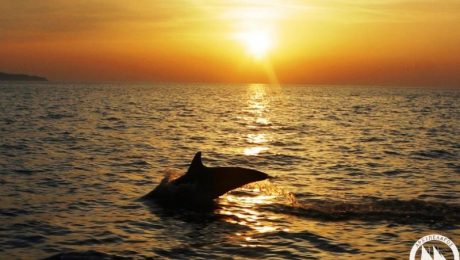
The aim of the project is to complete habitat modelling of common dolphins, Delphinus delphis, in the Aegean Sea by using different dynamic models. Populations of marine mammals found in Mediterranean Sea are genetically distinct from their North Atlantic relatives, which is why the studies revealing their habitats and biology are so important. The Aegean
- Published in Intern Experience, Marine Mammal Team, Work Journal