




Posidonia oceanica Mapping
Saturday, 26 November 2016
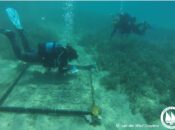
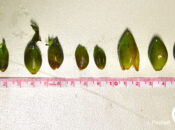
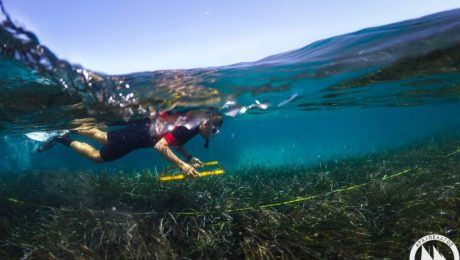
Posidonia oceanica is an aquatic flowering plant endemic to the Mediterranean, instrumental in providing habitats and nursery grounds to a diverse array of species in the area. Although the seagrass is imperative to ecosystem health, conservation efforts have not mirrored this: Posidonia oceanica’s status is only listed as “least concern” in the IUCN Red List
- Published in GIS Team, Intern Experience, Marine Conservation Team, Work Journal
Research on the Golden Jackal of Samos
Friday, 25 November 2016
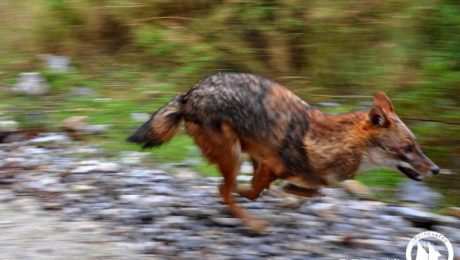
Jackal diet preference survey Jackals are opportunistic feeders, meaning that they will eat anything available at the moment, ranging from grapes and carobs to rodents and birds or even animal carcasses. The aim of this survey is to investigate the preference of seasonal and easy to find food like carob or olives with not so
- Published in Intern Experience, Terrestrial Conservation Team, Work Journal
Current Projects Regarding Microplastics and Plastic Pollution
Thursday, 24 November 2016
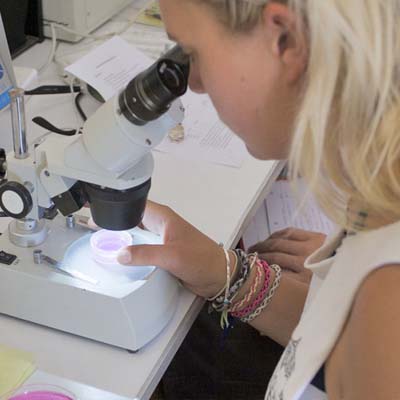
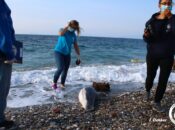
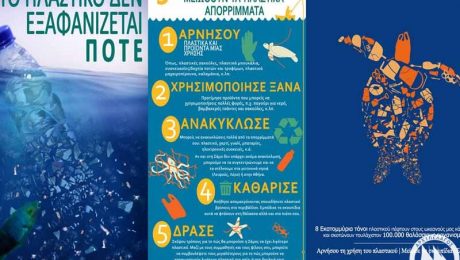
Studying Surface Water for Plankton & Microplastics In this project we collect sea surface water in the eastern Aegean Sea to find trends between the amount of plankton and microplastics and establish if a correlation exists. We hypothesise that greater quantities of plastics leads to fewer plankton in the neustonic layer leading to a greater
- Published in Intern Experience, Microplastic Team, Work Journal
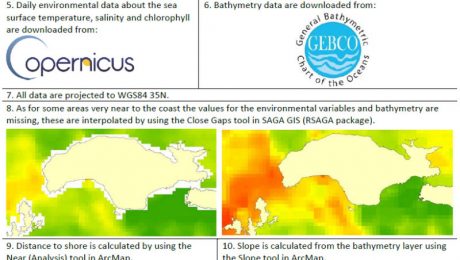
Distribution Model for Common Dolphins near the Island of Samos
Wednesday, 23 November 2016
The aim of this project is to develop a species distribution model (SDM) for common dolphins which takes into account dynamic environmental factors such as sea surface temperature, salinity and chlorophyll. SDMs take occurrence or abundance data about certain species and extrapolate this data in space and time using a statistical model. In the case of
- Published in GIS Team, Intern Experience, Work Journal
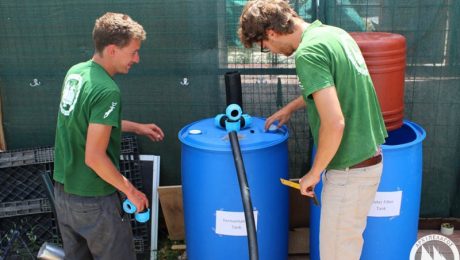
Implementing Small Scale Renewable Applications
Tuesday, 22 November 2016
Desalination stills Desalination stills are using the suns radiant energy to evaporate water. The evaporated water is then condensed again on a cool inside surface, where it drips down and is collected. Archipelagos’ prototype is a two slope basin solar still with a 20° horizontal angle. The aim of the desalination process in our base
- Published in Intern Experience, Renewable Energy Team, Work Journal