


Marine Mammal Behaviour Research
Wednesday, 25 August 2021
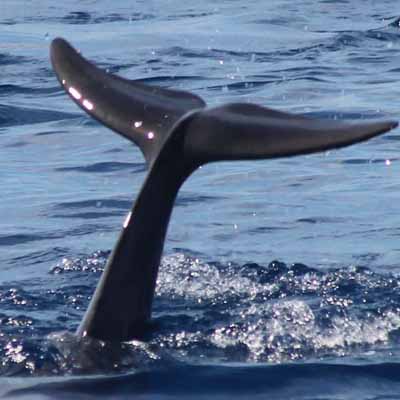
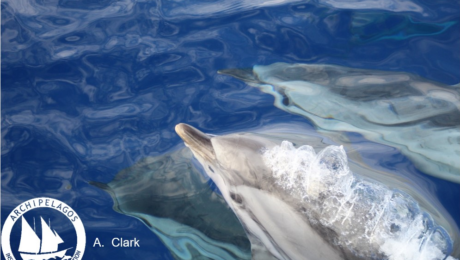
The rapid decline of several marine mammal species such as dolphins and whales is a growing problem on a global scale. Losses in abundance have been especially important in the Mediterranean, a biodiversity hotspot which supports a diverse range of marine ecosystems. Marine mammals are threatened by various human activities and their effects, such
- Published in Intern Experience, Marine Mammal Team, Work Journal
Research Expeditions over the Ikaria Trench
Friday, 20 August 2021
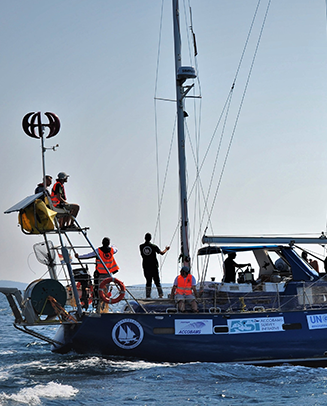
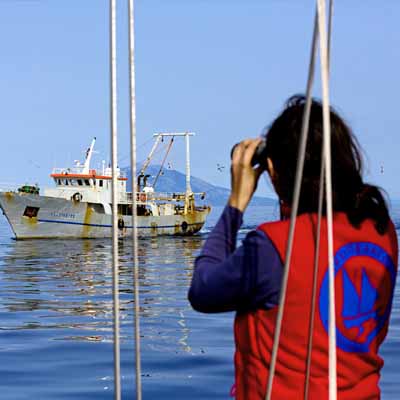
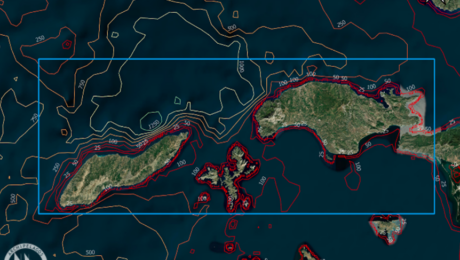
During the research expeditions over the Ikaria Trench, the Archipelagos’ marine mammal team aim to gather data on the species living over this important hotspot, to increase our knowledge on their behaviour, distribution and density. Weather-allowing, boat surveys extend to further areas during multiple-day research expeditions. The surveys usually occur between the islands of Ikaria,
- Published in Intern Experience, Marine Mammal Team, Work Journal
Kayak based-mapping of Posidonia seagrass meadows
Wednesday, 18 August 2021
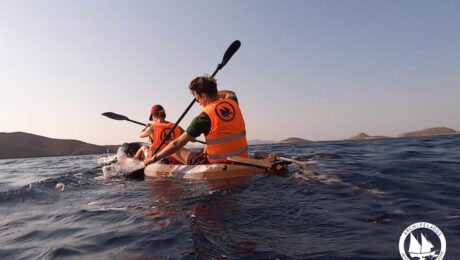
My name is Liam P. Kennedy. I am from Annapolis, Maryland, U.S.A. and I am currently pursuing my Bachelors in Environmental Studies & Sciences: Geographic Information Systems (GIS) at Towson University. Currently, I am on a summer placement with Archipelagos, from June 2021 until late August 2021. My project at Archipelagos is to create maps
- Published in Intern Experience, Marine Conservation Team, Work Journal
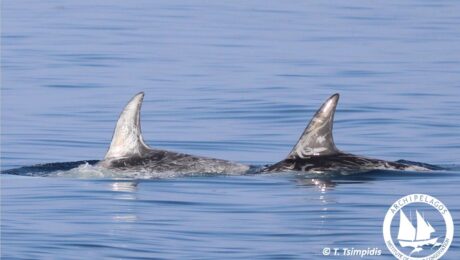
Photo Identification – An invaluable tool in cetacean research
Sunday, 01 August 2021
Photo identification (Photo ID) is a method used within marine mammal research to identify individuals based on photographs. The identification of dolphins is done via the characteristics of their dorsal fins because these are as unique to each dolphin as fingerprints are to humans. The characteristics found on dorsal fins include scars, notches and variable
- Published in Intern Experience, Marine Mammal Team, Work Journal
Bioacoustic Research – Understanding Underwater Sounds
Tuesday, 20 July 2021
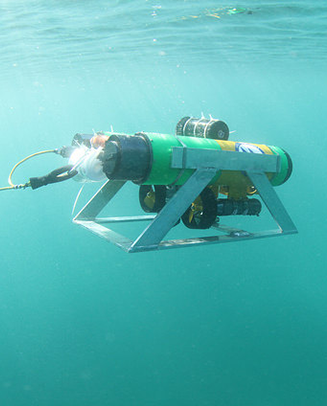
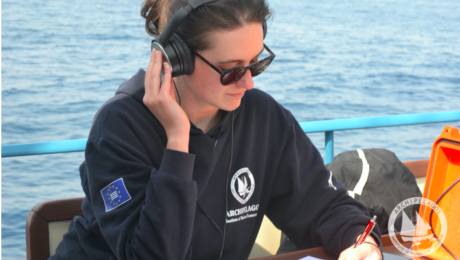
Bioacoustics is a field in biology that studies the way that sound is produced, dispersed and received by animals. Marine mammals are highly reliant on acoustics, due to the low reliability of other available senses, especially sight, in underwater environments. Furthermore, sound travels nearly five times faster in seawater than in air. Dolphin acoustics
- Published in Intern Experience, Marine Mammal Team, Work Journal
Monitoring Seabird Populations
Thursday, 15 July 2021
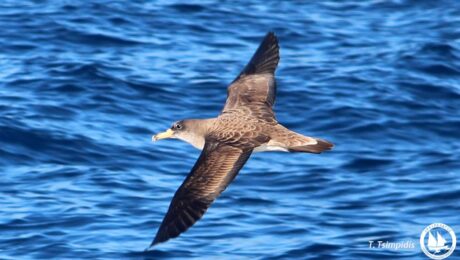
Besides studying marine mammals and turtles, Archipelagos’ marine mammal team also collects data on the seabirds spotted during boat surveys. The number of individuals, species, and location of encountered seabirds is recorded by dedicated observers. In 2021 only, our team has already recorded more than 3000 sightings! The most common species include the Mediterranean shearwater,
- Published in Intern Experience, Marine Mammal Team, Work Journal
Monitoring Diurnal Variation in Marine Macroinvertebrates
Saturday, 10 July 2021
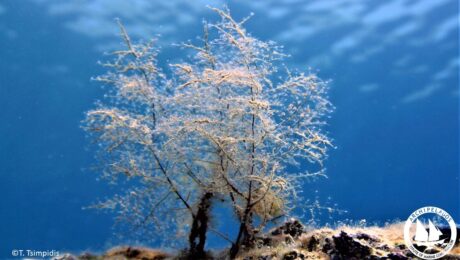
Our names are Irene and Lea. We are both fascinated by the ocean‘s complexity and therefore joined the Archipelagos Institute of Marine Conservation to get an insight into marine biology and conservation. Irene is completing a BSc. in Biology at the University of Sevilla and I (Lea) graduated from the University of Hamburg aftering completing
- Published in Intern Experience, Marine Conservation Team, Work Journal
Investigating the Macroinvertebrate Communities Living within the Posidonia oceanica Wracks
Monday, 15 February 2021
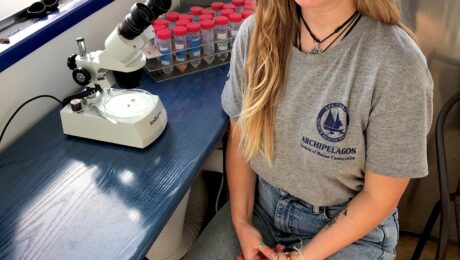
My name is Ellie and I am currently studying Biological Sciences at the University of Essex. Currently, I am on a placement year with Archipelagos, from October 2020 until July 2021. Here at Archipelagos, I have developed a marine-terrestrial based project investigating the macroinvertebrate communities living within the Posidonia oceanica wracks. Wrack can be defined
- Published in Intern Experience, Marine Conservation Team, Work Journal
Creation of a Guide for Identification of the Aegean Sea Fish Species of the Littoral Zone
Monday, 15 February 2021
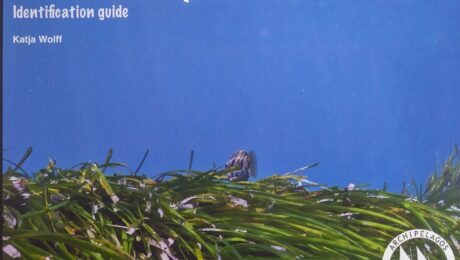
Katja Wolff, a Swiss-Greek intern from Paros island, Greece, who during her gap year worked on creating a fish ID guide based on the fish species she had been recording while on her visual-census surveys. For the creation of this guide she used photos she had collected along with some of her very own illustrations
- Published in Intern Experience, Marine Conservation Team, Work Journal
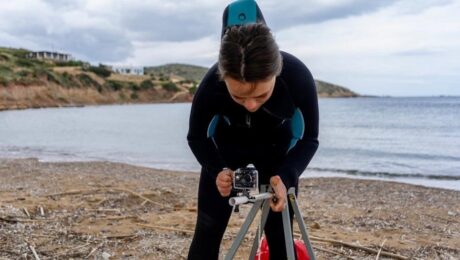
Migle worked as a member of the Marine conservation team at Archipelagos. She chose Archipelagos after hearing what a great platform it creates for a young scientist to get experience and work on exciting projects. Migle had been with Archipelagos for 9 months, working on a variety of projects and learning different methods. Her main
- Published in Intern Experience, Marine Conservation Team, Work Journal