


Assessing the Microplastic Fiber Content in Stranded Dolphins
Thursday, 10 May 2018
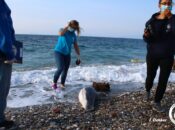
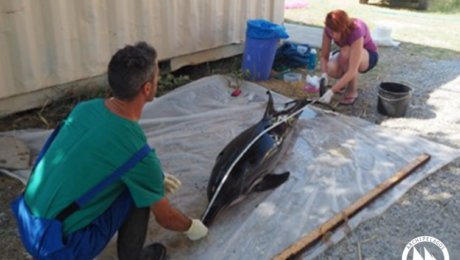
Dolphins might be one of the most charismatic animals that plough through the oceans and seas. In general, they are social animals that enjoy living in pods. These marine mammals are considered one of the most intelligent species on the planet. Although they are mainly piscivores, their diet varies between species, feeding on fish, cephalopods
- Published in Intern Experience, Marine Mammal Team, Microplastic Team, Work Journal
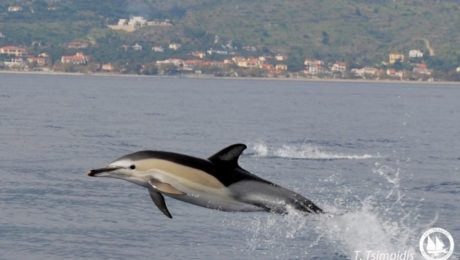
Common Dolphin (D. delphis) Bioacoustics Project
Thursday, 15 March 2018
Common dolphin (D. delphis) bioacoustics project – a study about vocalization and sociality of the common dolphin population in the Aegean Sea, February-March 2018. Common dolphins often live in pods consisting of around 12-20 individuals in the Mediterranean Sea (Murphy et al., 2008). The population of this particular species has been declining at an alarming
- Published in Intern Experience, Marine Mammal Team, Work Journal
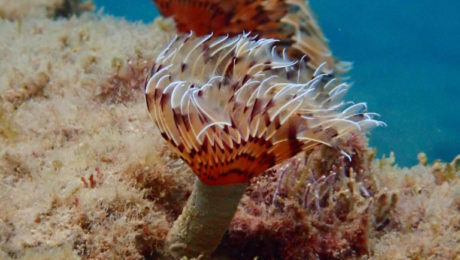
Changing Biodiversity of Invertebrate Populations
Thursday, 15 March 2018
Mankind is having a major impact on every ecosystem on earth. From the very tops of the tallest peaks to the deepest abysses in our oceans, the world is changing, and how we measure these impacts, is also changing. Bioindicator species are helping us understand how we have affected our world and can even
- Published in Intern Experience, Marine Conservation Team, Work Journal
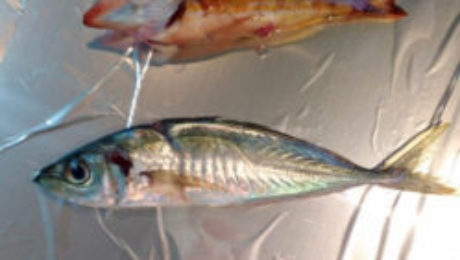
Microplastics in Edible Fish and Invertebrates
Thursday, 15 March 2018
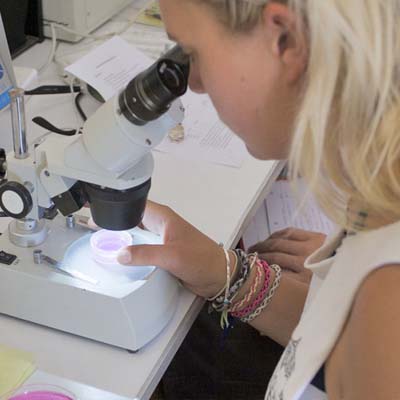
Microplastics content found in edible fish and invertebrate species of the Eastern Aegean Sea, February 2018 The increasing abundance of marine plastic debris is a worldwide issue and it represents a critical threat in areas such as the Mediterranean Sea. Many studies so far already documented the negative effects of this global issue on marine
- Published in Intern Experience, Marine Conservation Team, Microplastic Team, Work Journal
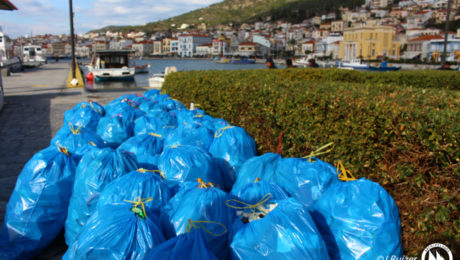
Quantifying Macroplastic Accumulation
Saturday, 10 March 2018
One of the projects of Archipelagos marine conservation team is the study and assessment of the litter that is accumulating on coastal zones, waterways and wildlife areas here on Samos and Lipsi islands. This litter has the potential to cause many fatalities both on land in the marine environment. Macroplastics are plastic pieces larger than
- Published in Intern Experience, Microplastic Team, Work Journal
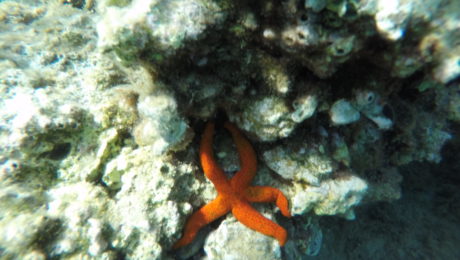
Abundance and Distribution of Echinoderms Throughout the Island of Samos
Tuesday, 30 January 2018
Echinoderms play an important role in marine, benthic ecosystems. They can be both carnivorous or, most importantly, grazers. The grazing of sea urchins specifically reduces the rate of colonization on bare rocks by settling organisms. This keeps algae in check, thereby enhancing the biodiversity of coral reefs. Despite that, echinoderms sometimes have large population swings
- Published in Intern Experience, Marine Conservation Team, Work Journal
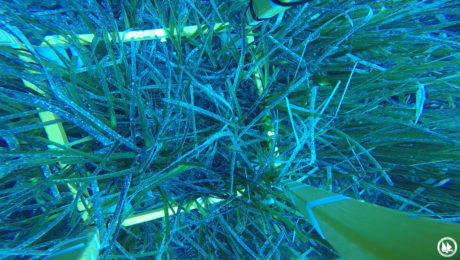
Seagrass mapping in the Aegean Sea
Friday, 12 January 2018
The last half year, the GIS-team was working out a method for seagrass mapping. Global seagrass meadows are under threat. Reduction of water clarity, climate change and dredging destroy meadows at an incredible speed of 1.5% a year. The mapping of the Greek seagrass meadows, especially the specie Posidonia Oceanica, remains behind and counteracts conservation
- Published in GIS Team, Intern Experience, Work Journal
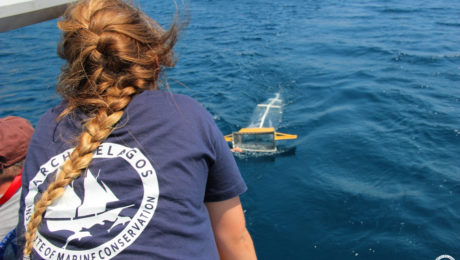
Determining the Ratio of Microplastic in Zooplankton in Surface Waters Surrounding Samos Island
Thursday, 21 December 2017
The presence of vast amounts of plastics in our oceans is cause for great concern for our marine wildlife due to their toxicity, persistence and ubiquity. With the production of plastics increasing, these pollutants are entering our oceans and breaking down into microplastics (MPs) at an ever-increasing rate. Microplastics are buoyant fragments of <5mm which
- Published in Intern Experience, Marine Conservation Team, Microplastic Team, Work Journal
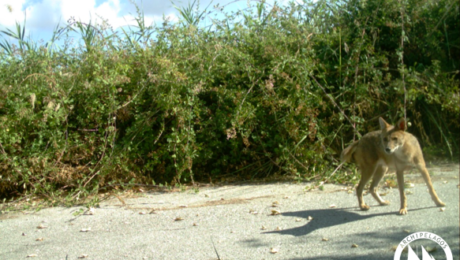
Jackals in Samos Airport
Thursday, 07 December 2017
This spring Archipelagos Institute started working with Samos International Airport to establish the population and distribution of the golden jackal (Canis aureus L.) in the airport area. We have been collecting data on the population, home range, activity patterns and use of the airport habitat. This information is used for the exclusion process that aims
- Published in Intern Experience, Terrestrial Conservation Team, Work Journal
Maritime Traffic Impact on Seagrass Vitality and Invertebrate Richness
Thursday, 07 December 2017
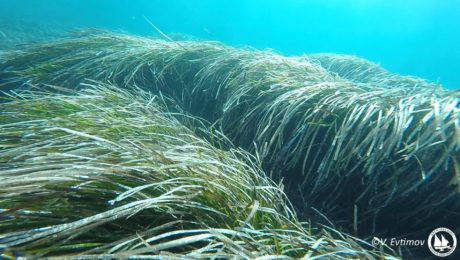
Seagrass plays a vital role in the health of coastal ecosystems all across the world. It is useful in sediment stabilization and carbon storage, and it supports a very diverse set of organisms. The seagrass beds often house commercial invertebrate and fish species, and are therefore not only ecologically important but economically, as well. Seagrasses
- Published in Intern Experience, Marine Conservation Team, Work Journal