


Posidonia Oceanica Mapping in the Southeastern Aegean Sea
Monday, 20 November 2017
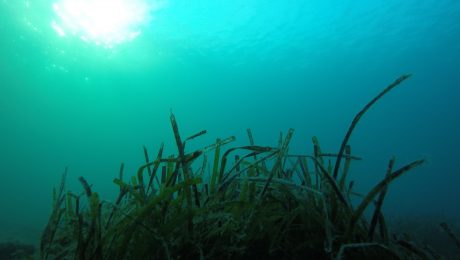
Posidonia oceanica meadows are one of the most valuable ecosystems of the Mediterranean Sea. Climate change, fishing activities and anthropogenic influences threaten the survival of these meadows. Since the 20th century, 30% of the seagrass meadows have disappeared. Therefore, there is an increasingly pressing need to map the current extent of the seagrass cover. The
- Published in GIS Team, Intern Experience, Work Journal
Birds Monitoring in Psili Ammos
Wednesday, 08 November 2017
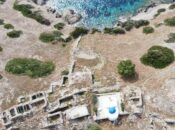
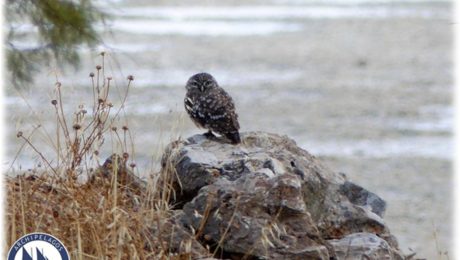
The Terrestrial Team of Archipelagos is monitoring the avifauna in Aliki Psili Ammos Natura 2000 wetland. This area is an important habitat for many bird species, including migratory birds heading towards Asia. Many species use the shallow coastal salt lagoon as a breeding site, which is why the habitat is worth protecting. In recent years
- Published in Intern Experience, Terrestrial Conservation Team, Work Journal
Research on the Sperm Whale Populations in the Eastern Aegean Sea
Wednesday, 08 November 2017
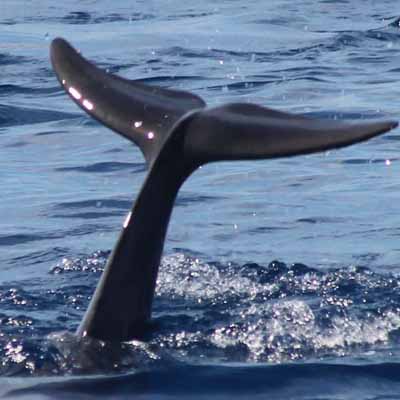
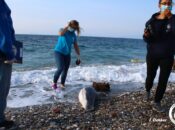
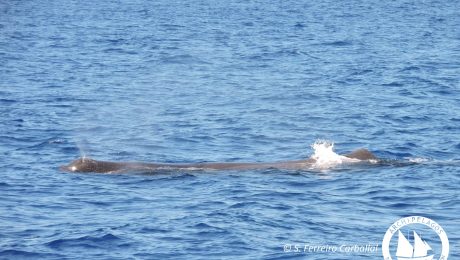
Archipelagos Marine Mammal Team has been monitoring the population of Sperm Whales (Physeter macrocephalus) in the north Aegean Sea for over 17 years. Physeter macrocephalus is the biggest species of Odontoceti – toothed whales. A female can reach approximately 12 m and the male 18 m in length. The large head occupies one-third of the
- Published in Intern Experience, Marine Mammal Team, Work Journal
Researching Fauna on Ikaria Island
Tuesday, 07 November 2017
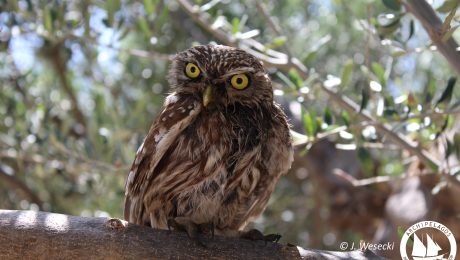
Archipelago’s Terrestrial Conservation Team is carrying out extensive field research on Ikaria Island on the highly biodiversity flora and fauna of the island. Monitoring aims to link past data of the research carried out on the island in previous years, and currently a series of monitoring surveys are ongoing since beginning of the summer. The
- Published in Intern Experience, Terrestrial Conservation Team, Work Journal
Underwater Acoustics: An Invaluable Tool for Cetacean Conservation
Tuesday, 07 November 2017
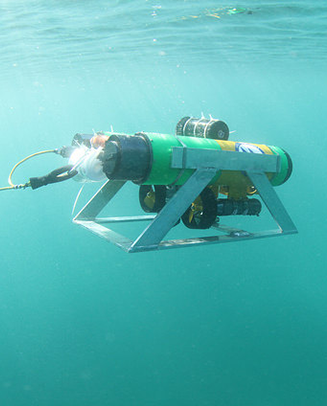
The sea gives out the illusion of a serene place to either relax or work in. The tranquility of the sea depth is what most of us expect to hear and see. However, the open seas are realistically noisy and contaminated. Archipelagos Marine Mammal team is working to prove how noisy the Aegean Sea and
- Published in Intern Experience, Marine Mammal Team, Work Journal
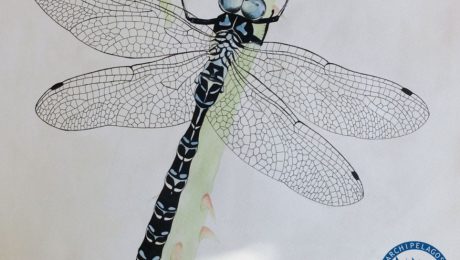
The Importance of Scientific Illustrations
Thursday, 12 October 2017
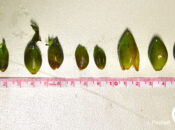
Our generation is accustomed to having easy access to high quality images of everything, at nearly no expense and in no time at all. Despite of this, scientific illustrations are still needed because of only a very small detail can help differentiate one species from another. Hence scientific illustrations are useful as they can be
- Published in Intern Experience, Media Team, Terrestrial Conservation Team, Work Journal
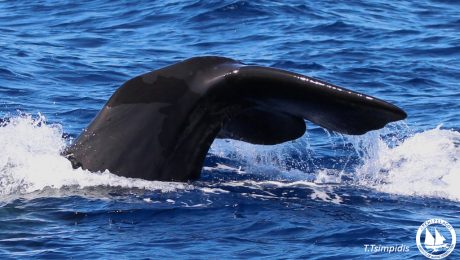
Extensive Monitoring of Whale and Dolphin Populations
Wednesday, 04 October 2017
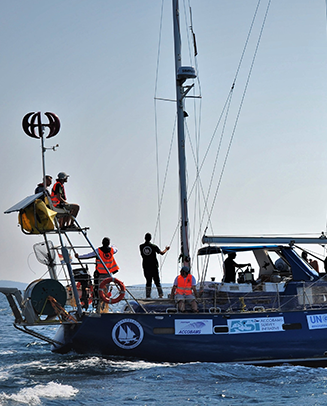
The ideal weather conditions allowed the Archipelagos Marine Mammal Team to carry out an extensive survey in the waters north of Samos and Ikaria Islands during the past week. The Team spent several days in the sea with the aim to have an updated census of the cetacean species present in the study area. At the
- Published in Intern Experience, Marine Mammal Team, Work Journal
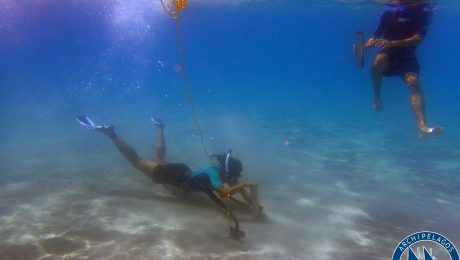
Spatial Distribution of Microplastics in Coastal Shallow Sediments in Samos Island
Monday, 02 October 2017
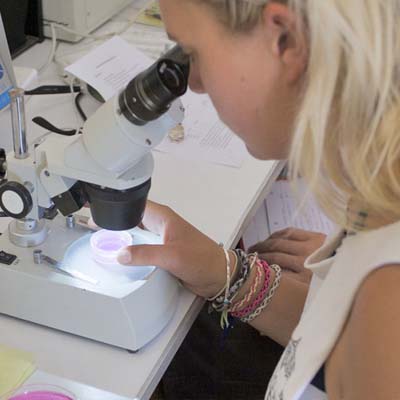
The Mediterranean Sea has one of the highest concentrations of marine plastic debris. As it is a semi-closed sea, dispersion of plastics is limited due to water circulation and tidal flow. Through mechanical degradation of wave action and abrasion by sand, this plastic debris is broken down in to microplastics (<5mm). Additional processes that enhance
- Published in Intern Experience, Microplastic Team, Work Journal
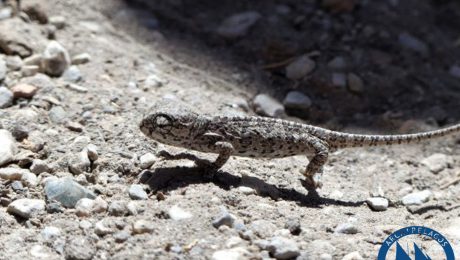
Chameleon Distribution Monitoring in Samos Island
Monday, 02 October 2017
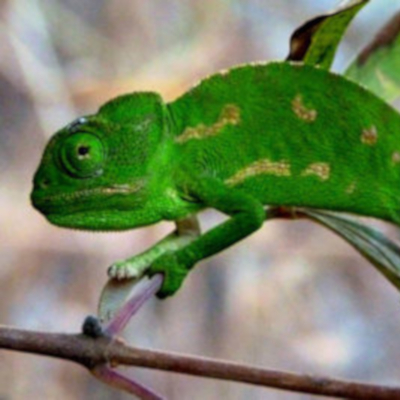
The Terrestrial Team from the Archipelagos Institute has focused on a project about the distribution and habitat preferences of Mediterranean chameleons on Samos Island. The aim is to collect as much data as possible about the habitat use of the Mediterranean chameleon (Chamaeleo chamaeleon). In order to conserve the species, it is necessary to understand their
- Published in Intern Experience, Terrestrial Conservation Team, Work Journal
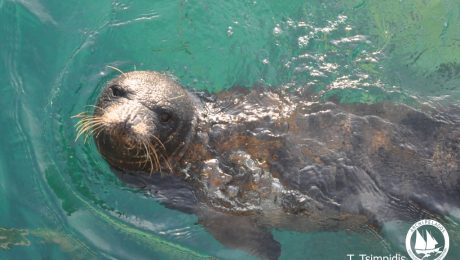
Observation and Monitoring of the Mediterranean Monk Seal around Samos Island
Friday, 29 September 2017
The Mediterranean monk seal (Monachus monachus) is the rarest species of marine mammal in Europe with only around 500 individuals surviving in the world. They are currently listed as “endangered” on the IUCN (International Union for Conservation of Nature) Red List. With such a small remaining population, the actions for their monitoring and conservation are
- Published in Intern Experience, Marine Mammal Team, Work Journal