


Ocean Acidification Effects on Venus casina Shells: A Preliminary Experimental Project
Wednesday, 02 August 2017
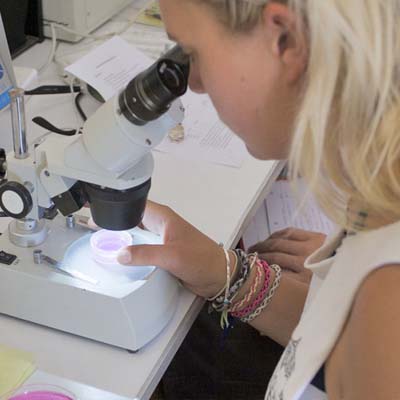
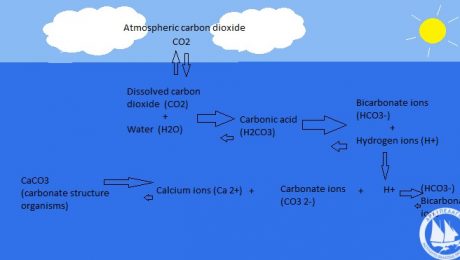
The Ocean Acidification (OA) problem is referred to a reduction of the sea water pH caused primarily by the anthropogenic increasing uptake of CO2 from the atmosphere. There is a direct relationship between atmospheric CO2 and ocean pH: as CO2[atm]-uptake increases, the pH drops. Industrial activities have resulted in an increase in atmospheric CO2 concentrations
- Published in Intern Experience, Marine Conservation Team, Work Journal
Invasive Algae Caulerpa cylindracea: Factors and Consequences of the Distribution in Aegean Sea
Tuesday, 01 August 2017
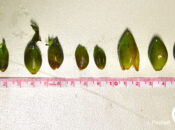
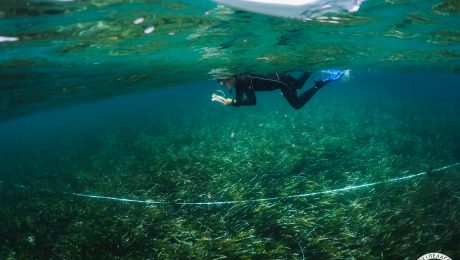
With climate change and ocean acidification of the seas, more alien species are spreading in our seas. The green macroalgae, Caulerpa cylindracea, is considered an invasive species native from Australia that has rapidly spread across the Mediterranean since 1926. C. cylindracea colonises a variety of substrata, and its dominating presence has been found to alter
- Published in Intern Experience, Marine Conservation Team, Work Journal
Invasive Fish Species Distribution: Research and Citizen Science Projects
Friday, 28 July 2017
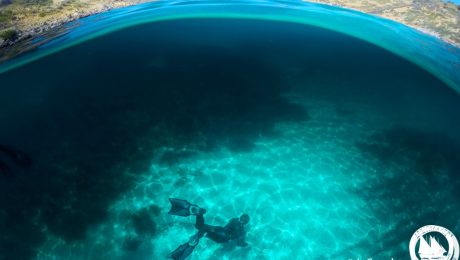
Since the opening of the Suez Canal between the Red Sea and the Mediterranean Sea there has been a steady flow of invasive species entering the Aegean Sea out of which there are over 32 established fish species. At Archipelagos Institute we are monitoring the spread of these species in the region of the NE
- Published in Intern Experience, Marine Conservation Team, Work Journal
Evaluation of Macroplastic Debris on two Beaches of Samos Island
Tuesday, 25 July 2017
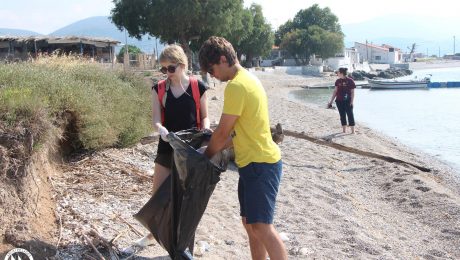
The macro-plastic project primarily focuses on measuring the influx of waste items into the Aegean Sea onto specified beaches at the main Archipelagos Base. It is a renowned fact that human activity has had, an is continuing to have, a significant impact on the health of the environment and functioning of both marine and terrestrial
- Published in Intern Experience, Marine Conservation Team, Microplastic Team, Work Journal
Assessment of Fish Biodiversity in P. oceanica Seagrass Meadows in Lipsi island
Friday, 14 July 2017
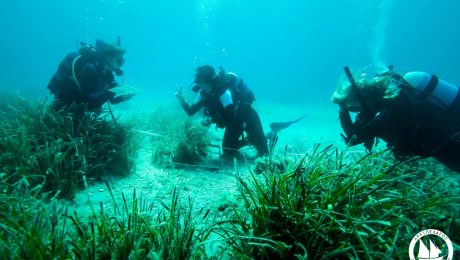
Posidonia oceanica is an endemic seagrass species of the Mediterranean Sea. Research in other areas of the Mediterranean Sea has shown that P. oceanica meadows provide habitats for a diverse fish community and they have an especially important role as breeding and nursing areas. Variety of fish species, including numerous species of conservational or commercial
- Published in Intern Experience, Marine Conservation Team, Work Journal
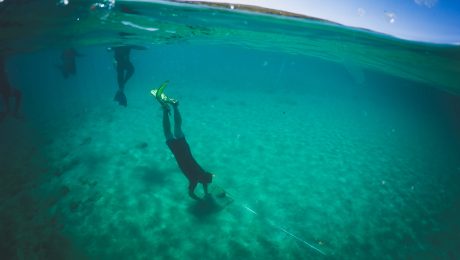
Assessing the Grazing Activity of Sea Urchins
Friday, 07 July 2017
Sea urchins are herbivorous animals that live on rocky substrate and graze on macroalgae. Pollution and overfishing of their predators, led to massive increase of the sea urchin population across the Mediterranean. As a consequence, macroalgae forests has tended to disappear, causing cascades effects on other organisms that rely on this source of food and
- Published in Intern Experience, Marine Conservation Team, Work Journal
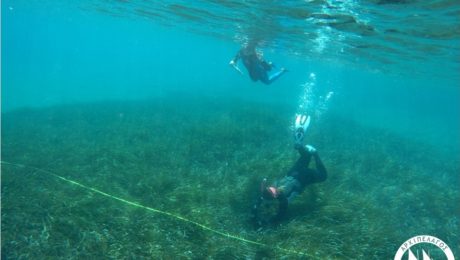
Development of a Methodology to Assess Anchor Damages on Posidonia Seagrass Meadows
Friday, 23 June 2017
Following the increase of coastal urbanization, 46% of the Posidonia oceanica meadows have disappeared or become threatened by a number of factors including boat anchoring. In the Aegean islands, where recreational yachting is a major touristic activity this environmental threat is an increasing problem. This can be backtracked to boat owners who are probably not
- Published in Intern Experience, Marine Conservation Team, Work Journal
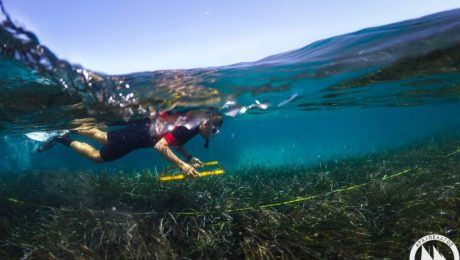
Posidonia oceanica Mapping
Saturday, 26 November 2016
Posidonia oceanica is an aquatic flowering plant endemic to the Mediterranean, instrumental in providing habitats and nursery grounds to a diverse array of species in the area. Although the seagrass is imperative to ecosystem health, conservation efforts have not mirrored this: Posidonia oceanica’s status is only listed as “least concern” in the IUCN Red List
- Published in GIS Team, Intern Experience, Marine Conservation Team, Work Journal