



Vegetation Surveys of Samos and Lipsi
Thursday, 10 May 2018
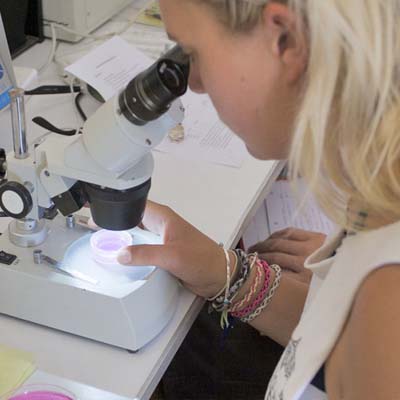
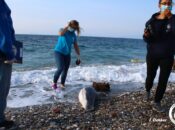
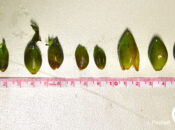
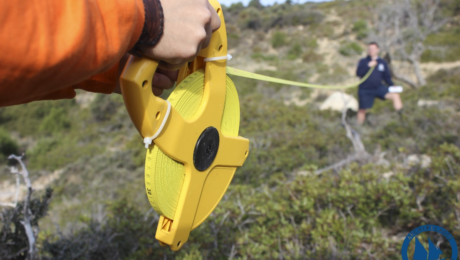
The Archipelagos Terrestrial Conservation Team has been conducting surveys on both Samos and Lipsi to identify and monitor what plant life is in specific habitats across the islands. The main aim of this research is to understand the biodiversity of the areas and to identify any endangered species, filling in this way important knowledge gaps
- Published in Intern Experience, Terrestrial Conservation Team, Work Journal
Jackals in Samos Airport
Thursday, 07 December 2017
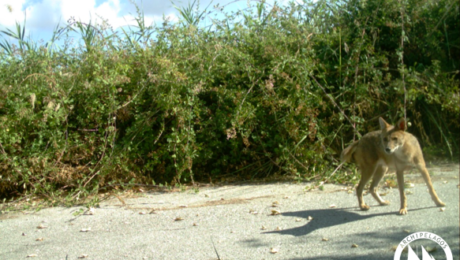
This spring Archipelagos Institute started working with Samos International Airport to establish the population and distribution of the golden jackal (Canis aureus L.) in the airport area. We have been collecting data on the population, home range, activity patterns and use of the airport habitat. This information is used for the exclusion process that aims
- Published in Intern Experience, Terrestrial Conservation Team, Work Journal
Birds Monitoring in Psili Ammos
Wednesday, 08 November 2017
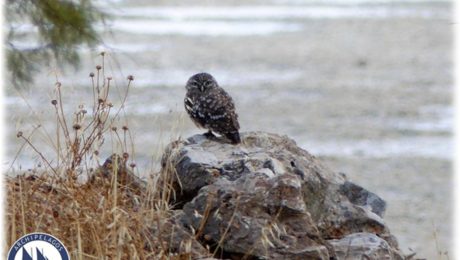
The Terrestrial Team of Archipelagos is monitoring the avifauna in Aliki Psili Ammos Natura 2000 wetland. This area is an important habitat for many bird species, including migratory birds heading towards Asia. Many species use the shallow coastal salt lagoon as a breeding site, which is why the habitat is worth protecting. In recent years
- Published in Intern Experience, Terrestrial Conservation Team, Work Journal
Researching Fauna on Ikaria Island
Tuesday, 07 November 2017
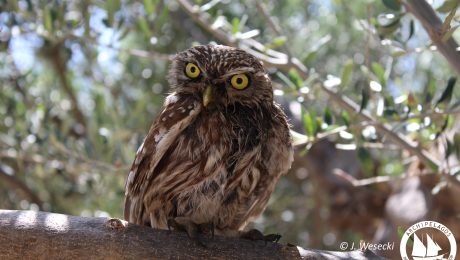
Archipelago’s Terrestrial Conservation Team is carrying out extensive field research on Ikaria Island on the highly biodiversity flora and fauna of the island. Monitoring aims to link past data of the research carried out on the island in previous years, and currently a series of monitoring surveys are ongoing since beginning of the summer. The
- Published in Intern Experience, Terrestrial Conservation Team, Work Journal
The Importance of Scientific Illustrations
Thursday, 12 October 2017
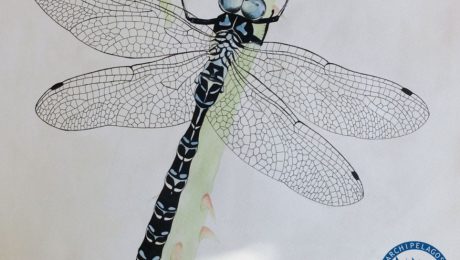
Our generation is accustomed to having easy access to high quality images of everything, at nearly no expense and in no time at all. Despite of this, scientific illustrations are still needed because of only a very small detail can help differentiate one species from another. Hence scientific illustrations are useful as they can be
- Published in Intern Experience, Media Team, Terrestrial Conservation Team, Work Journal
Chameleon Distribution Monitoring in Samos Island
Monday, 02 October 2017
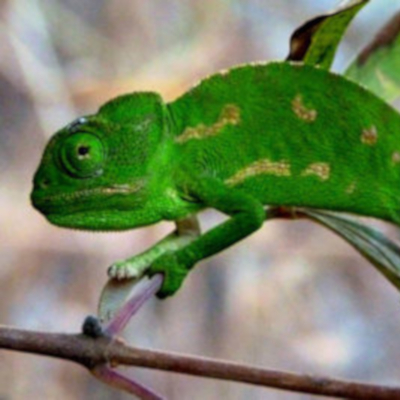
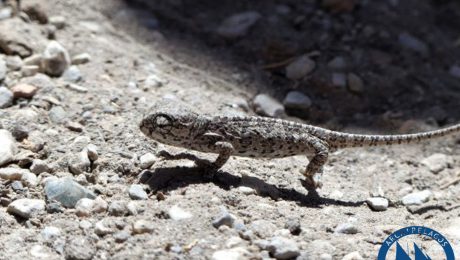
The Terrestrial Team from the Archipelagos Institute has focused on a project about the distribution and habitat preferences of Mediterranean chameleons on Samos Island. The aim is to collect as much data as possible about the habitat use of the Mediterranean chameleon (Chamaeleo chamaeleon). In order to conserve the species, it is necessary to understand their
- Published in Intern Experience, Terrestrial Conservation Team, Work Journal
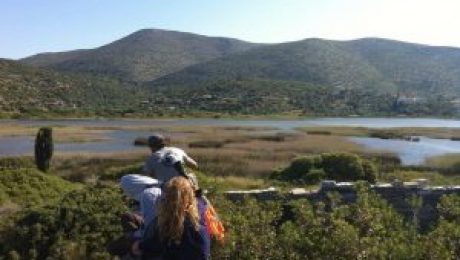
Monitoring the Bird Populations in the Wetlands of Samos
Tuesday, 01 August 2017
The Psili Ammos wetland on Samos is a very valuable habitat for many different bird species, including breeding, migratory, endemic, and threatened species. However, for the past five years or so, there have been increasing human impacts including illegal bird hunting, illegal joyriding with quad bikes within the dry wetland in the summer months and
- Published in Intern Experience, Terrestrial Conservation Team, Work Journal
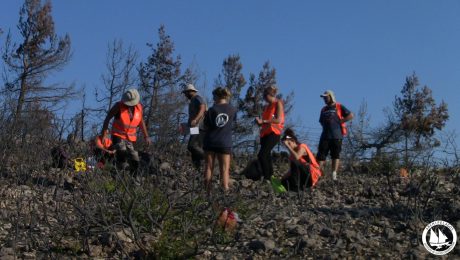
Firefighting With Seawater: Effects on Soil Properties in Samos Island
Monday, 24 July 2017
The island of Samos is prone to wildfires during the summer months due to its hot, arid climate and dry landscape. A crew of workers inadvertently ignited a small fire on July 7th 2016, which quickly spread across the island, claiming nearly 780 hectares of pine forest as it moved southeast from Kamara to Mesokampos.
- Published in Intern Experience, Terrestrial Conservation Team, Work Journal
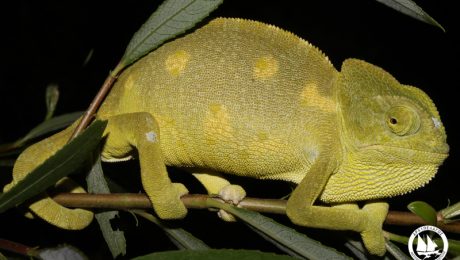
Population Assessment of the Mediterranean Chameleon
Friday, 14 July 2017
The Mediterranean Chameleon (Chamaeleo chamaeleon) is one of only two existent species of Chamaleonidae in Europe. It can be found in the southern part of Spain, Portugal, Italy and Greece. Until a few decades ago, only a few parts of Greece supported populations of this species; namely the islands of Samos, Chios and Crete. Today
- Published in Intern Experience, Terrestrial Conservation Team, Work Journal
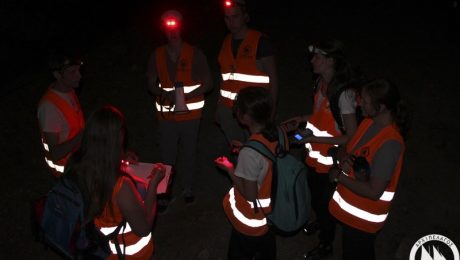
Research Assessing the Dietary Preferences of Golden Jackals
Thursday, 29 December 2016
The Golden Jackals are opportunistic feeders, meaning that they will eat anything available, ranging from grapes and carobs to rodents and birds or even animal carcasses. The aim of this research project is to investigate the preference of seasonal and easy to find food, like carob or olives, with not so common, man-made food, like
- Published in Intern Experience, Terrestrial Conservation Team, Work Journal