


Sixth Monk Seal Dies… – once again due to Illegal Dynamite Fishing
Tuesday, 26 January 2016
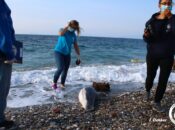
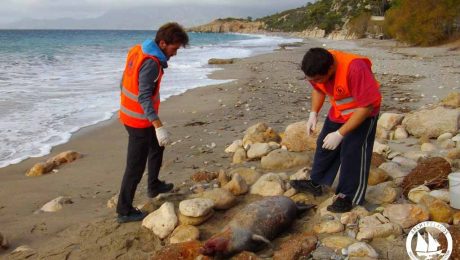
A few days ago a group of researchers from Archipelagos Institute of Marine Conservation located a young Mediterranean monk seal, which was deliberately killed by a dynamite explosion in the southwestern part of the Samos Island. This incident is the second deliberate killing of a monk seal recorded in the eastern Aegean this month and
- Published in Marine Mammals, Press Releases
The Refugee Crisis in the Aegean during the Winter
Thursday, 21 January 2016
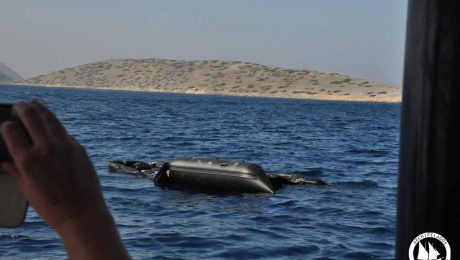
The situation for thousands of refugees who keep travelling across the Aegean during harsh winter months becomes increasingly tough. The humanitarian infrastructure of the islands has improved tremendously and now nothing remains of the chaos during summer months, when only few volunteers and members of the local communities used their own resources to help thousands
- Published in Press Releases, Refugees
The Monk Seal “Argiro” reaches the coast of Turkey
Friday, 15 January 2016
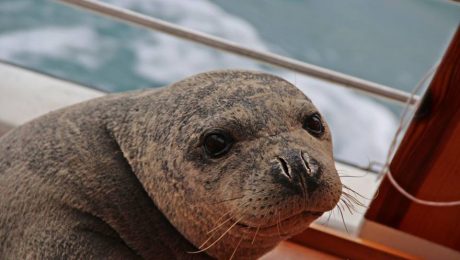
The Mediterranean monk seal known as Argiro, has turned up since last week on the coast of Turkey. After 2 years of being constantly monitored in the region of NE Samos, where her movement covered a range of 10 miles, is now exploring new waters as she is gradually reaching maturity. This monk seal is
- Published in Marine Mammals
An Interesting Cooperation
Friday, 18 December 2015
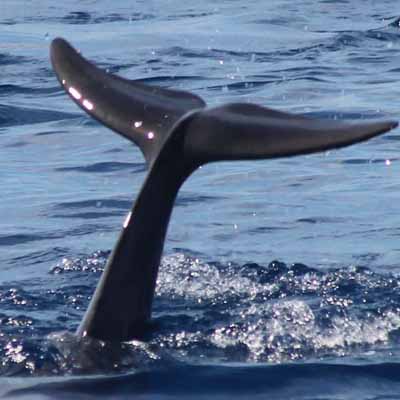
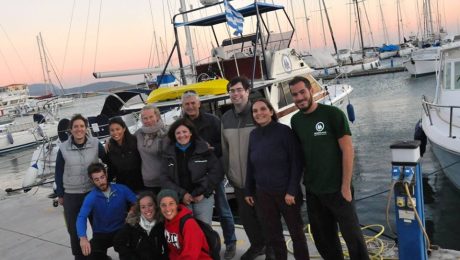
During the previous days we had the joy to cooperate with the renowned marine mammal expert, Dr. Maurizio Wutrz, an expert in the research of Mediterranean whale populations. His guidance and cooperation with Archipelagos’ marine mammal research team has been invaluable help in our research, monitoring and conservation efforts of marine mammals of the Aegean.
- Published in Marine Mammals
A Large Conservation Effort
Friday, 18 December 2015
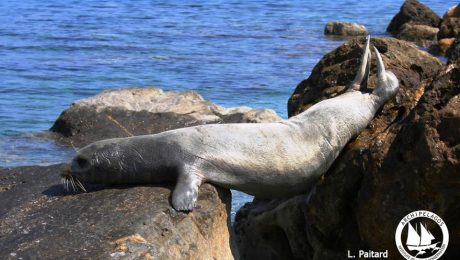
After many thousands of hours of monitoring, for almost 2 years, our aim has been to limit the interaction of this special seal with humans. The busy summer months are over, having succeeded to maintain the balance between the seal and those who visited the sites where she rested. We hope that during the winter
- Published in Marine Mammals
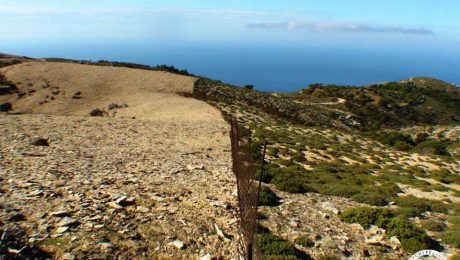
Intermediterranean Landcare Action for the Restoration of land Degradation
Thursday, 17 December 2015
Last week, Archipelagos found itself in the historic city of Santiago de Compostella in Spain for the purpose of contributing to the development of an exciting new intermediterranean action entitled LANDCARE. The objective of LANDCARE is to improve current training capacities for graduates and young scientists, in relation to Land Degradation and Rehabilitation in Southern
- Published in Press Releases, Terrestrial Conservation
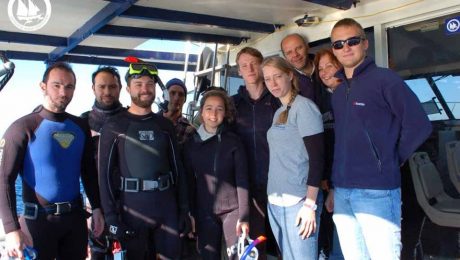
Completing the research in Sigri, Lesvos
Thursday, 17 December 2015
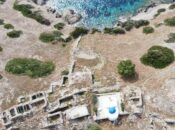
Archipelagos’ marine research team completed its research in Sigri, Lesvos. The research was conducted for “The Natural History Museum of the Lesvos Petrified Forest” and was in cooperation with the Faculty of Geology and Geoenvironment of Athens University, as well as with the National Technical University of Athens. Our focus was the mapping of
- Published in Littoral Ecosystems, Marine Conservation

Archipelagos at the Climate Change Conference in Paris
Monday, 23 November 2015
Can we avoid global warming by protecting the Greek seas? The answer is obviously “yes”, and members of the “We Are Paris” initiative prove it in an interview with Anastasia Miliou, Research Director of the Archipelagos Institute of Marine Conservation. “We Are Paris” is a project of the University of Brussels in Belgium, which explains
- Published in Marine Conservation, Press Releases
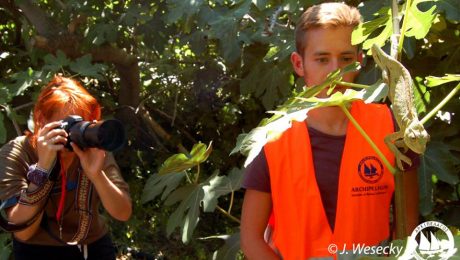
The Mediterranean chameleon – our special neighbor in the Aegean
Monday, 05 October 2015
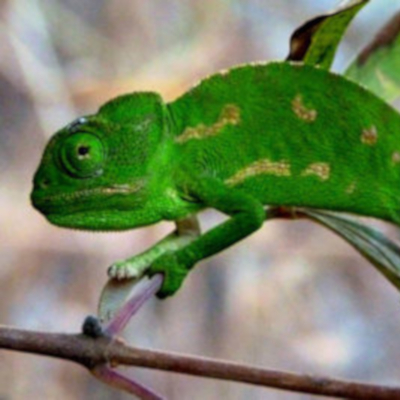
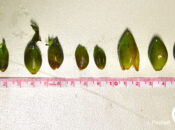
Archipelagos’ Terrestrial Research Team, is continuing for the 6th year the monitoring of the Mediterranean chameleon population on Samos island. Being aware of the rarity of the species and of the responsibility this brings, Archipelagos began to monitor populations of this rare species since 2009, combining field research with awareness raising efforts. Our aim is
- Published in Island Fauna, Terrestrial Conservation

Another baby died in the deep darkness of the Aegean
Saturday, 05 September 2015
A few hours ago another baby almost two months old, died on the small island of Agathonisi in the eastern Aegean Sea. The boat on which it was travelling crashed on the rocks around midnight and the baby was found in the sea, as were all others that were travelling with that boat. They climbed
- Published in Press Releases, Refugees