



GMO Promotion at Eugenides Foundation Exhibition
Tuesday, 14 December 2010
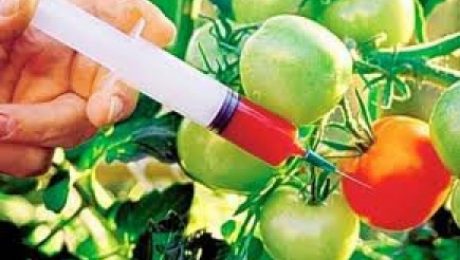
Students are also involved in experiments on genetic modification of products, as well as watching educational videos (in which hybridization, genetic engineeringand in vitro cultivation appear as ways of improving natural crop production); at the end of this “learning” process, they are asked to give the “right” answers. From the very beginning, Archipelagos, Institute of
- Published in Aegean Seed Bank, Press Releases, Terrestrial Conservation
Important initiative by CIESM for the creation of Transnational Marine Conservation Zones
Wednesday, 01 December 2010
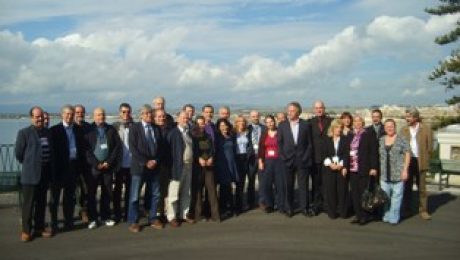
The workgroup meeting was an initiative of CIESM (International Commission for the Scientific Exploration of the Mediterranean) and 29 scientists of various disciplines from 14 Mediterranean countries were invited. The Archipelagos representative stated the Institute’s position with regards to the establishment and enactment of Transnational Marine Parks in the north-eastern Mediterranean Sea and particularly in
- Published in Marine Conservation, Press Releases
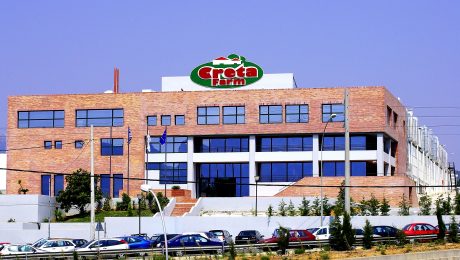
Creta Farm’s attempt to silence Archipelagos: 1.000.000 Euro lawsuit filed against Archipelagos
Thursday, 25 November 2010
So far, little has been done to solve a problem which dates back to the 70’s, and has resulted to the dramatic degradation of the area. This progressive environmental crime grows daily, despite the fact that many convictions for building and health violations have been filed against Creta Farm. These convictions are not followed through
- Published in Press Releases
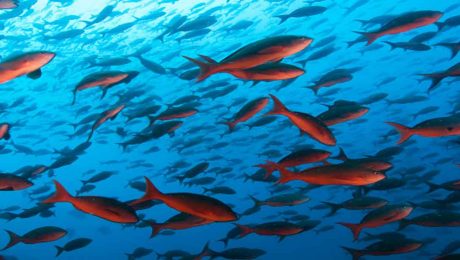
Light in the tunnel after pressure by Archipelagos for harmonization of Greek and Mediterranean fishing regulations
Monday, 22 November 2010
The letter stressed that the new ministerial decision will meet the requirements of the Mediterranean regulation (1967/2006), to ensure the sustainable exploitation of fish stocks and protect the environment. This means that fishing with towed gears (trawlers) will only be allowed at longer distances set by the EC 1967/2006 (1.5 miles minimum distance from the
- Published in Fisheries, Marine Conservation
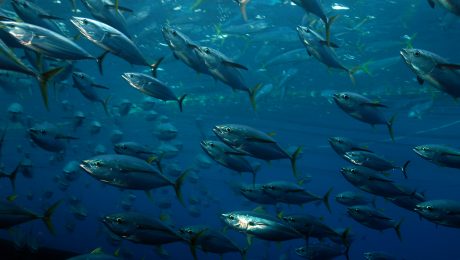
EU Fisheries Council: Greece argues the collapse of tuna stocks
Wednesday, 27 October 2010
During yesterday’s session of the EU fisheries council in Luxembourg, concerning the issue of reducing the quota for bluefin tuna, the Greek Minister of Maritime Affairs, Islands & Fisheries, Mr. Yannis Diamantidis, maintained a negative and intransigent stance. This reflects the contemporary Greek “political culture” of servicing short-term interests, regardless of consequences. Three weeks before
- Published in Fisheries, Marine Conservation, Press Releases
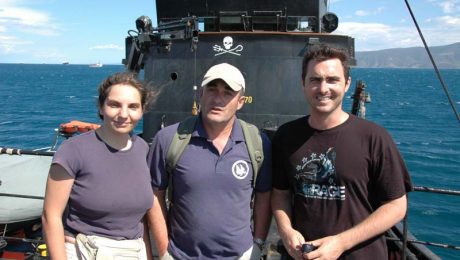
Meeting between Archipelagos and Sea Shepherd Conservation Society
Friday, 27 August 2010
A scheduled meeting was held in late June aboard the vessel ‘’Steven Irwin’’ between Archipelagos members and the crew of the International activist organisation, Sea Shepherd Conservation Society. The Sea Shepherd organisation was operating discretely to combat destructive fishing and illegal transportation of fish in the Mediterranean. Thus, Archipelagos had the opportunity to meet with these activists while they
- Published in Fisheries, Marine Conservation, Press Releases
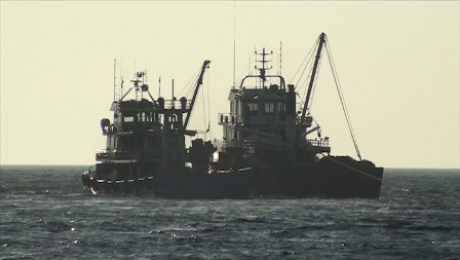
An Attempt by Turkish fishing vessels to ram an Archipelagos vessel
Monday, 05 July 2010
A serious incident took place on June 30th, in the marine area between Samos and Fournoi. Members of Archipelagos tried to stop illegal fishing activities carried out by Turkish fishing boats, within the Greek territorial waters. Transporting of bluefin tuna and attempts to carry out illegal fishing activities were being made by the Turkish vessels: Aboulkerim(34.18.TG.2699) and Masallah.Refik.Usta (10.03.TG.0123) in the area
- Published in Fisheries, Marine Conservation, Press Releases

Illegal Fishing of Bluefin Tuna by Turkish fishing vessels located in Greek Territorial Waters
Thursday, 01 July 2010
Just twelve days after the official EU fishing season for bluefin tuna in the EU Mediterranean zone has ended (June 15th), and one week after the “liberation” from the environmental organization «Sea Shepherd» of 800 tons of red tuna towed by poachers off the Libyan coast, another serious incident of illegal fishing of this kind
- Published in Fisheries, Marine Conservation, Press Releases

Meeting with Maria Damanaki, Commissioner for Maritime Affairs and Fisheries
Monday, 21 June 2010
On 10 June members of the Archipelagos Marine Research Team met with the Commissioner for Maritime Affairs and Fisheries, Mrs Maria Damanaki. The purpose of the meeting was to inform the Commissioner and her partners on the following aspects of marine protection studied by the Archipelagos research team: 1. “Pirate” fishing by illegal vessels in
- Published in Fisheries, Marine Conservation, Press Releases
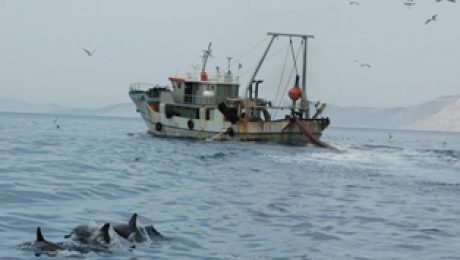
Attempt from the P.E.P.M.A to interfere at Archipelagos actions
Wednesday, 02 June 2010
In a bold attempt, the Panhellenic Middle Range Union of Fisheries Shipowners, (P.E.P.M.A) attempted to intervene in the research activities that Archipelagos is conducting in the south of Samos. The destructive and frequently illegal fishing practices utilized by P.E.P.M.A members, mainly trawling over productive habitats, is a significant factor adding to the degradation of the
- Published in Fisheries, Marine Conservation, Press Releases