


Assessment of the butterfly biodiversity in Lipsi during spring
Tuesday, 24 May 2022
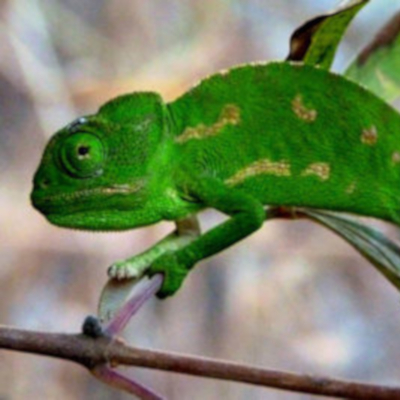
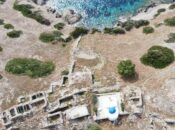
My name is Lieza and I am currently in the final year of my studies in Agro – and Biotechnology, specialising in Plant Management. All the way from Belgium, I joined the Terrestrial Research and Conservation at Archipelagos on the island of Lipsi from mid-February until mid-May 2022. My project was to assess the butterfly
- Published in Intern Experience, Work Journal
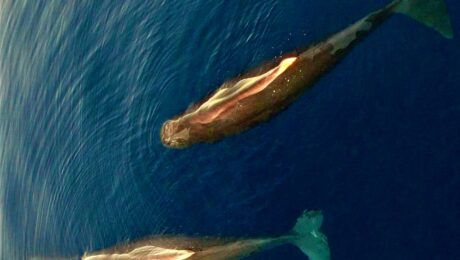
Sperm whales in the northern and central Aegean, as we keep up the continuous research in the Greek seas
Thursday, 28 April 2022
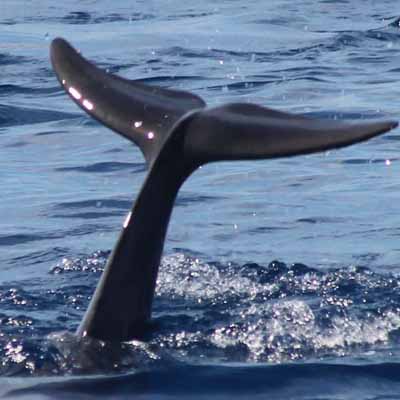
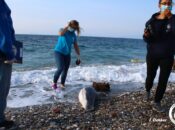
For several years now, we recognize one of the two sperm whales in the photo from the big part missing from its tail. The sperm whale is the largest toothed whale in the world, with females measuring 8 – 12 meters and males 16 – 18 meters and weighing 24 and 57 tons respectively. It
- Published in Marine Mammal Team, News
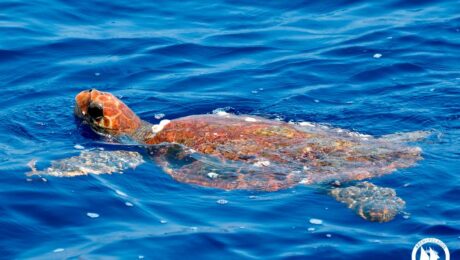
Sea turtles of the Aegean Sea
Saturday, 28 August 2021
The Aegean Sea welcomes three of the seven species of marine turtles that are found worldwide, namely the loggerhead turtle (Caretta caretta), the green turtle (Chelonia mydas) and the leatherback turtle (Dermochelys coriacea). The leatherback’s characteristic shell makes it easily recognisable, whereas the green turtle and loggerhead turtle are more difficult to distinguish. The
- Published in Intern Experience, Marine Mammal Team, Work Journal
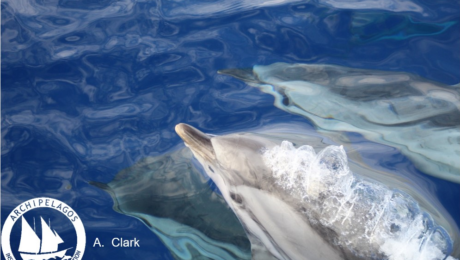
Marine Mammal Behaviour Research
Wednesday, 25 August 2021
The rapid decline of several marine mammal species such as dolphins and whales is a growing problem on a global scale. Losses in abundance have been especially important in the Mediterranean, a biodiversity hotspot which supports a diverse range of marine ecosystems. Marine mammals are threatened by various human activities and their effects, such
- Published in Intern Experience, Marine Mammal Team, Work Journal
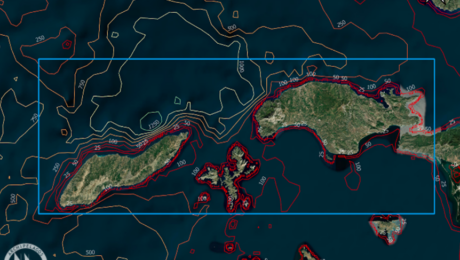
Research Expeditions over the Ikaria Trench
Friday, 20 August 2021
During the research expeditions over the Ikaria Trench, the Archipelagos’ marine mammal team aim to gather data on the species living over this important hotspot, to increase our knowledge on their behaviour, distribution and density. Weather-allowing, boat surveys extend to further areas during multiple-day research expeditions. The surveys usually occur between the islands of Ikaria,
- Published in Intern Experience, Marine Mammal Team, Work Journal
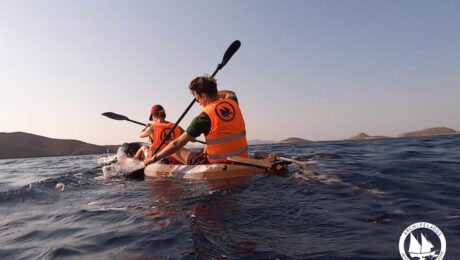
Kayak based-mapping of Posidonia seagrass meadows
Wednesday, 18 August 2021
My name is Liam P. Kennedy. I am from Annapolis, Maryland, U.S.A. and I am currently pursuing my Bachelors in Environmental Studies & Sciences: Geographic Information Systems (GIS) at Towson University. Currently, I am on a summer placement with Archipelagos, from June 2021 until late August 2021. My project at Archipelagos is to create maps
- Published in Intern Experience, Marine Conservation Team, Work Journal
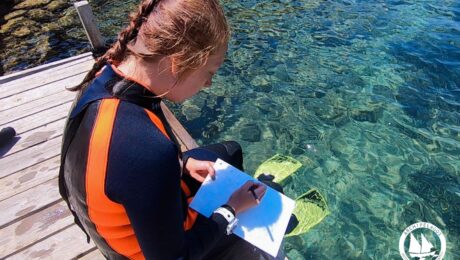
Assessment of microplastic accumulation on Posidonia oceanica seagrass meadows
Monday, 02 August 2021
I’m Imogen, a 22-year-old New Zealand intern currently in the Microplastic and Marine Mammal Team at Archipelagos on Lipsi Island. I am currently completing my masters in Evolutionary Biology via the MEME programme, with the intention to study conservation genetics in combination with field work. While my current study is officially based at Ludwig Maximilian
- Published in Marine Conservation Team, Work Journal
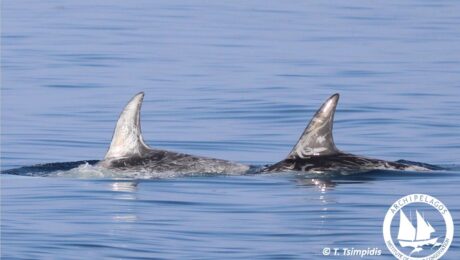
Photo Identification – An invaluable tool in cetacean research
Sunday, 01 August 2021
Photo identification (Photo ID) is a method used within marine mammal research to identify individuals based on photographs. The identification of dolphins is done via the characteristics of their dorsal fins because these are as unique to each dolphin as fingerprints are to humans. The characteristics found on dorsal fins include scars, notches and variable
- Published in Intern Experience, Marine Mammal Team, Work Journal
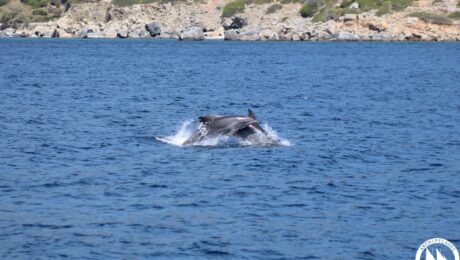
Great Data from 11 Boat surveys in 15 days by the Archipelagos’ Marine Mammal Research Team
Tuesday, 20 July 2021
We have recently had the opportunity to reopen our base on the Northern Aegean Island of Samos, which has been closed since the start of the Covid-19 pandemic. This is an exciting change of pace for Archipelagos, as this marine region is a hotspot for many species of cetaceans, creating unequalled opportunities for boat surveys
- Published in Marine Mammal Team, Work Journal
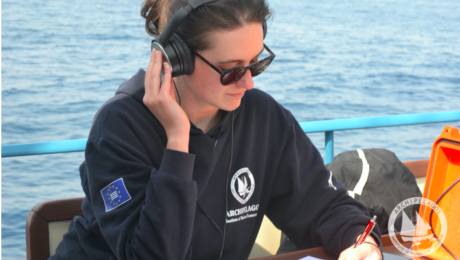
Bioacoustic Research – Understanding Underwater Sounds
Tuesday, 20 July 2021
Bioacoustics is a field in biology that studies the way that sound is produced, dispersed and received by animals. Marine mammals are highly reliant on acoustics, due to the low reliability of other available senses, especially sight, in underwater environments. Furthermore, sound travels nearly five times faster in seawater than in air. Dolphin acoustics
- Published in Intern Experience, Marine Mammal Team, Work Journal