




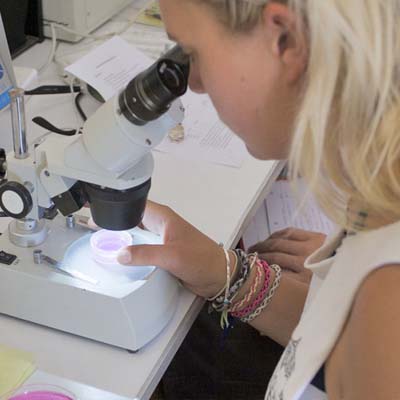
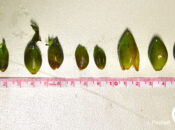
 In the Mediterranean, songbird poaching and smuggling is a widespread illegal practice. According to Bird Life’s The Killing, “Of the 25 million birds illegally killed in the Mediterranean each year, 20.1 million of those are songbirds.” Songbirds like Goldfinches and Blackcaps (photographed are Crested Larks) are native to the region and are generally weaker due to their small size, making them especially vulnerable to this threat. These songbirds are poached in Greece for many reasons including use as: cage birds and pets, bait for further traps, and meat for gourmet meals (ambelopoulia, a common delicacy in Cyprus costing as much as 80 euros). Songbirds are often collected as cage birds because of their charming songs and are sold to the public who are generally unaware of the legal and environmental implications of their captivity. Songbirds are caught using methods such as shooting, netting, and gluing. Gluing is an illegal method that involves lime sticks, twigs coated in a sticky substance, that are positioned to resemble an attractive perch, which instead cause songbirds to become stuck for poachers to capture.
Bird poaching is addressed in Greek law, where hunting is limited to specific methods and seasons and trapping is strictly forbidden. Greece currently has penalties to enforce these regulations, such as fines and potential imprisonment. The EU Birds Directive “prohibits hunting of species (such as endangered species) listed in the Directive Annexes, hunting during the spring migration, and trapping techniques considered cruel and indiscriminate” [Birds Directive]. According to the Birds Directive, at least 32% of the EU's bird species are at risk. This statistic makes it clear that much more needs to be done to protect songbird populations in the Mediterranean.
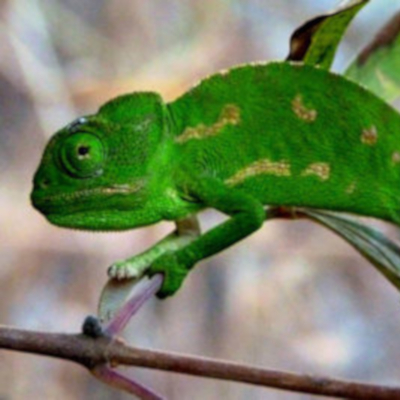
 Another species being targeted by poaching is the Mediterranean chameleon. The Mediterranean chameleon is now only found on Samos Island in Greece, despite in recent decades inhabiting other Greek islands including Crete and Chios. This disappearance is mainly caused by humans. While chameleons have an effective natural defense by camouflaging themselves from predators, there are anthropogenic threats that are endangering the species. These main threats include: being captured for the illegal wild animal trade where they’re sold as pets, destruction of their forest habitat from deforestation and urbanisation, and the excessive use of pesticides. There is also a common misconception that the Mediterranean Chameleon population is poisonous, on the contrary, they are not poisonous and are completely harmless to humans. Poaching of chameleons is illegal as they are protected under Greek law, yet they continue to be targeted because of a lack of monitoring and effective punishment. Archipelagos is working to implement educational programs in local schools in an attempt to save this endangered species from extinction with the help from the local communities.
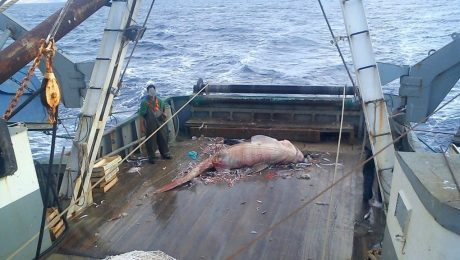
Claiming the Right to …Overexploit our Seas!
- Published in News, Wildlife Poaching
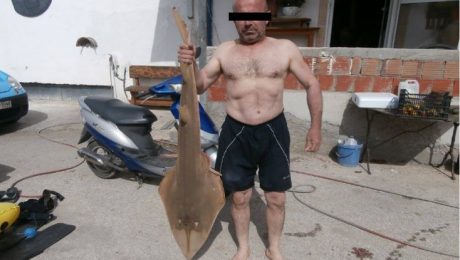
Illegal spear fisherman fined after Archipelagos’ intervention
- Published in News, Wildlife Poaching

88 birds have been released back into the wild
- Published in Island Fauna, Press Releases, Terrestrial Conservation, Wildlife Poaching
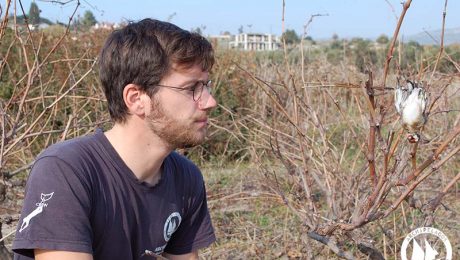
Poaching Songbirds: A Continuous Environmental Crime
- Published in Island Fauna, News, Terrestrial Conservation, Wildlife Poaching