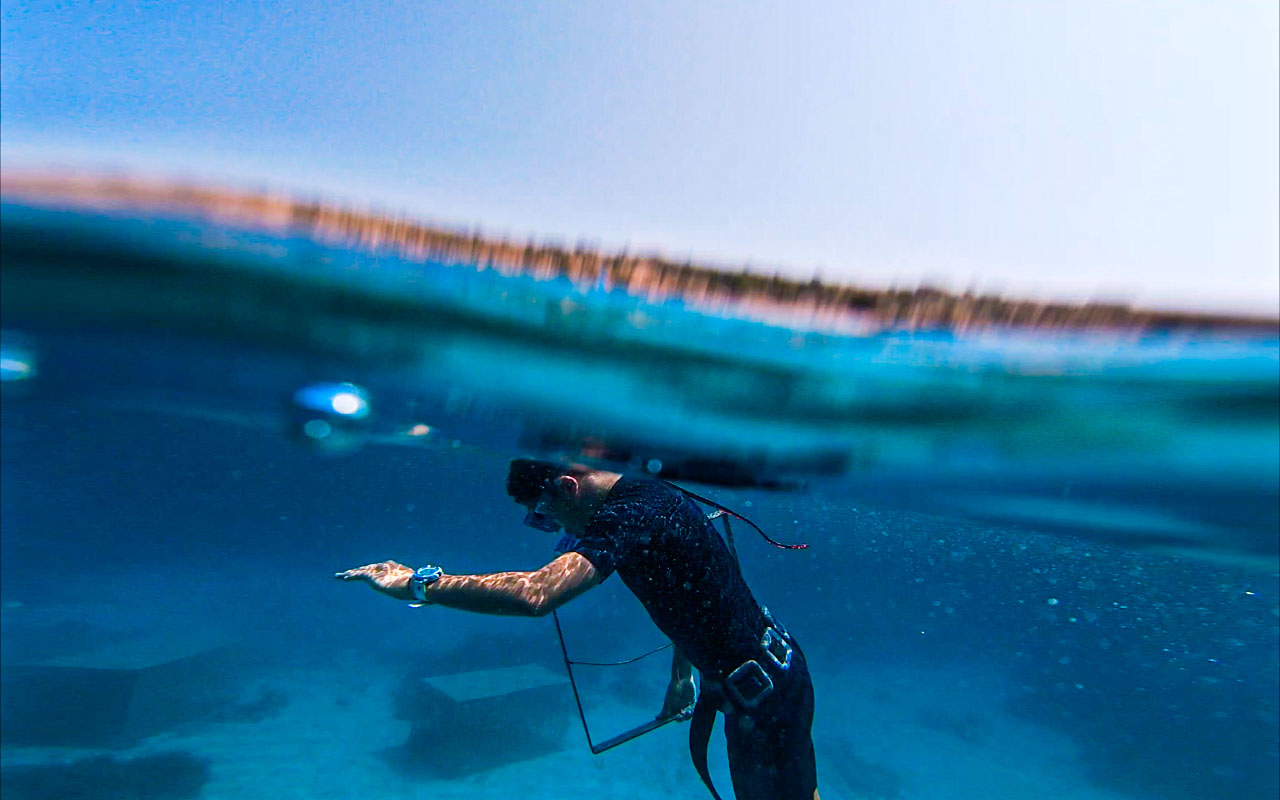
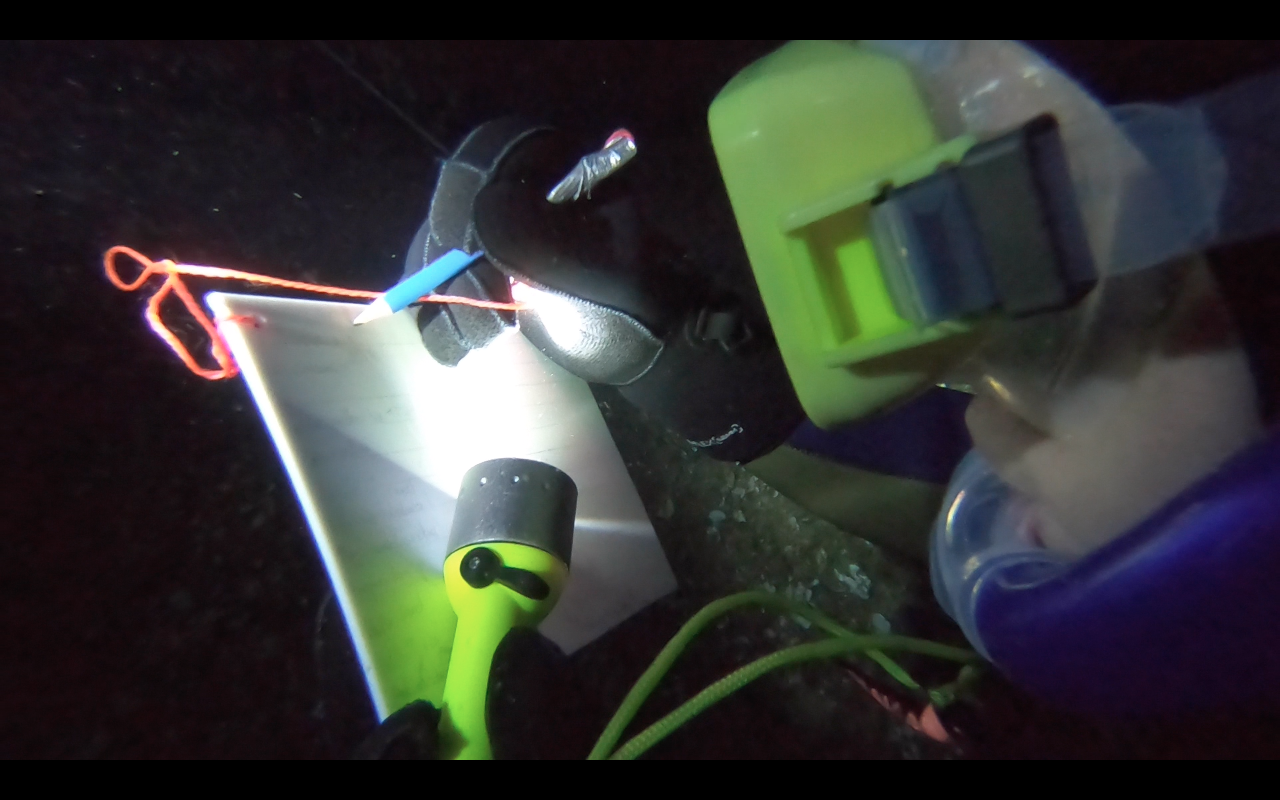
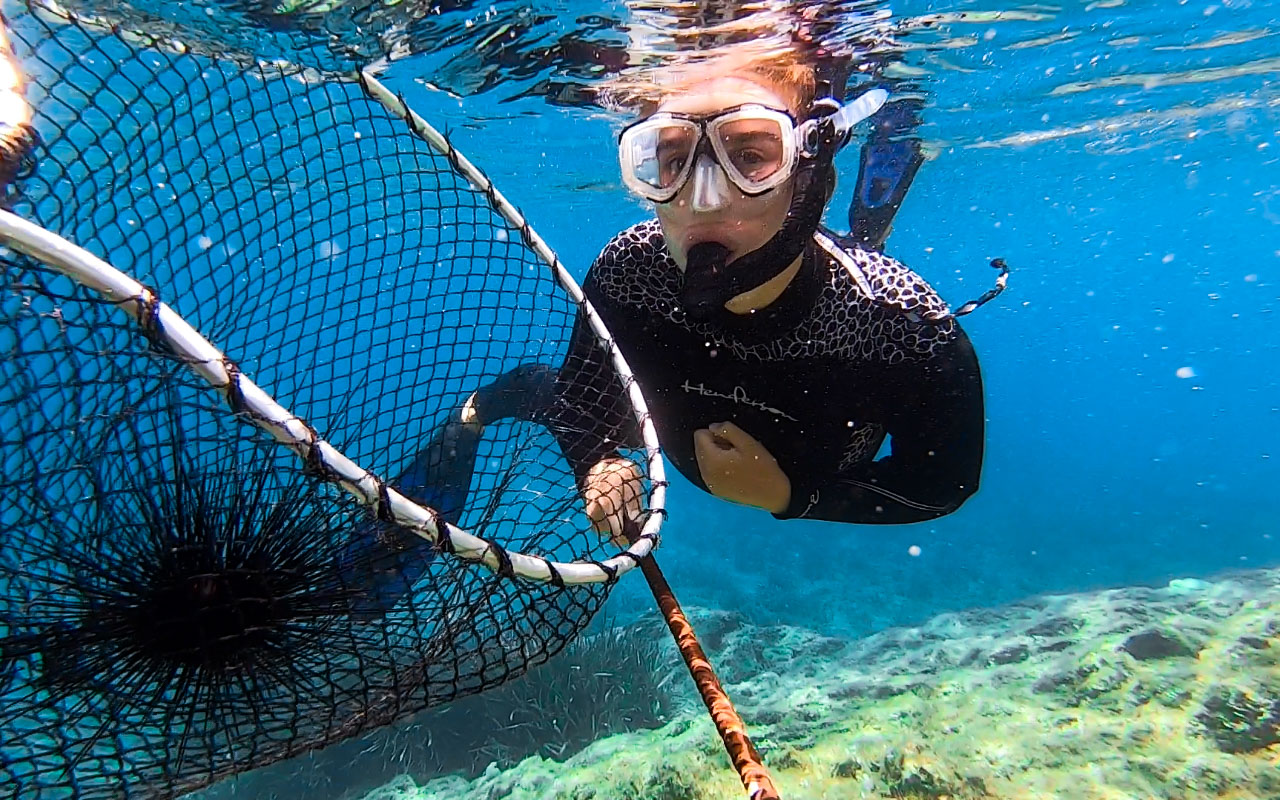
The Mediterranean is a unique sea with exceptional biodiversity within its waters. Although it represents only 0.8% of the seas worldwide, it supports 7% of all existing marine species. Even though the rich biodiversity spans across the Mediterranean Sea, 25 hotspots have been found in the Eastern Basin alone, which covers the Levantine and Aegean Sea. The Aegean Sea covers an area of approximately 214,000 km2 and holds thousands of smaller and larger islands and islets in its waters. This region comprises one of the most biodiverse areas in the entire Mediterranean and hosts unique ecosystems that have developed over millions of years into a complex web of interdependent species.
Slow growing seagrass meadows provide essential habitats and serve as a nursery for juvenile fish, while invertebrates thrive along macroalgae within the species-rich rocky shores. In deeper waters we are discovering previously unknown coralligenous habitats with incredibly diverse species communities. Hundreds of fish species and thousands of invertebrate species can be found in these extensive areas of priority protected habitats. All of the above highlight the magical world of the Greek seas, but the fact that this biodiversity still survives seems to be purely by luck since few protection or conservation measures are in place. Numerous anthropogenic influences, such as extensive fishing, climate change and the introduction of invasive species threaten to disturb the balance of these biodiversity hotspots. This is a great challenge that all actions of Archipelagos aim to address.