Archipelagos

  • English
  • Ελληνικα
Who We Are
The TeamThe Team
Research BasesResearch Bases
Research BoatsResearch Boats
Our EquipmentOur Equipment
PartnersPartners
SupportersSupporters
Fields of Action
Marine ConservationMarine Conservation Fisheries Shipping Risks Seagrass Meadows Coralligene Conservation Littoral Ecosystems Invasive Species Jellyfish Sea Turtles
Marine MammalsMarine Mammals Dolphins and Porpoises Whales Seals
Terrestrial ConservationTerrestrial Conservation Island Fauna Forests & Flora Freshwater Ecosystems Aegean Seed Bank
Laboratory ResearchLaboratory Research Microplastics Water Analysis Soil Quality
Projects
Aegean Marine Life Sanctuary
Eco-Navigation
FIsh4Life
Save the Aegean
Join Us
Internships in the Aegean
Remote Internships
Interns Experiences
Field Courses
News
Planting Underwater Gardens of Posidonia seagrass- a new innovative planting process
Aegean Islet Conservation Project in cooperation with the University of Toronto’s Faculty of Architecture
Mutilated Striped Dolphin Stranded on the shores of Samos Island
Posidonia Seagrass Fruits Wash up on Our Shores – A Rare Phenomenon
View All...
Contact us
Publications
Videos
Awareness Material
Donate
Menu

Identifying Stranding Hotspots and Gathering Valuable Field Work Experience

Identifying Stranding Hotspots and Gathering Valuable Field Work Experience

by Kleopatra Delaveri / Wednesday, 24 April 2019 / Published in Intern Experience, Marine Conservation Team, Work Journal

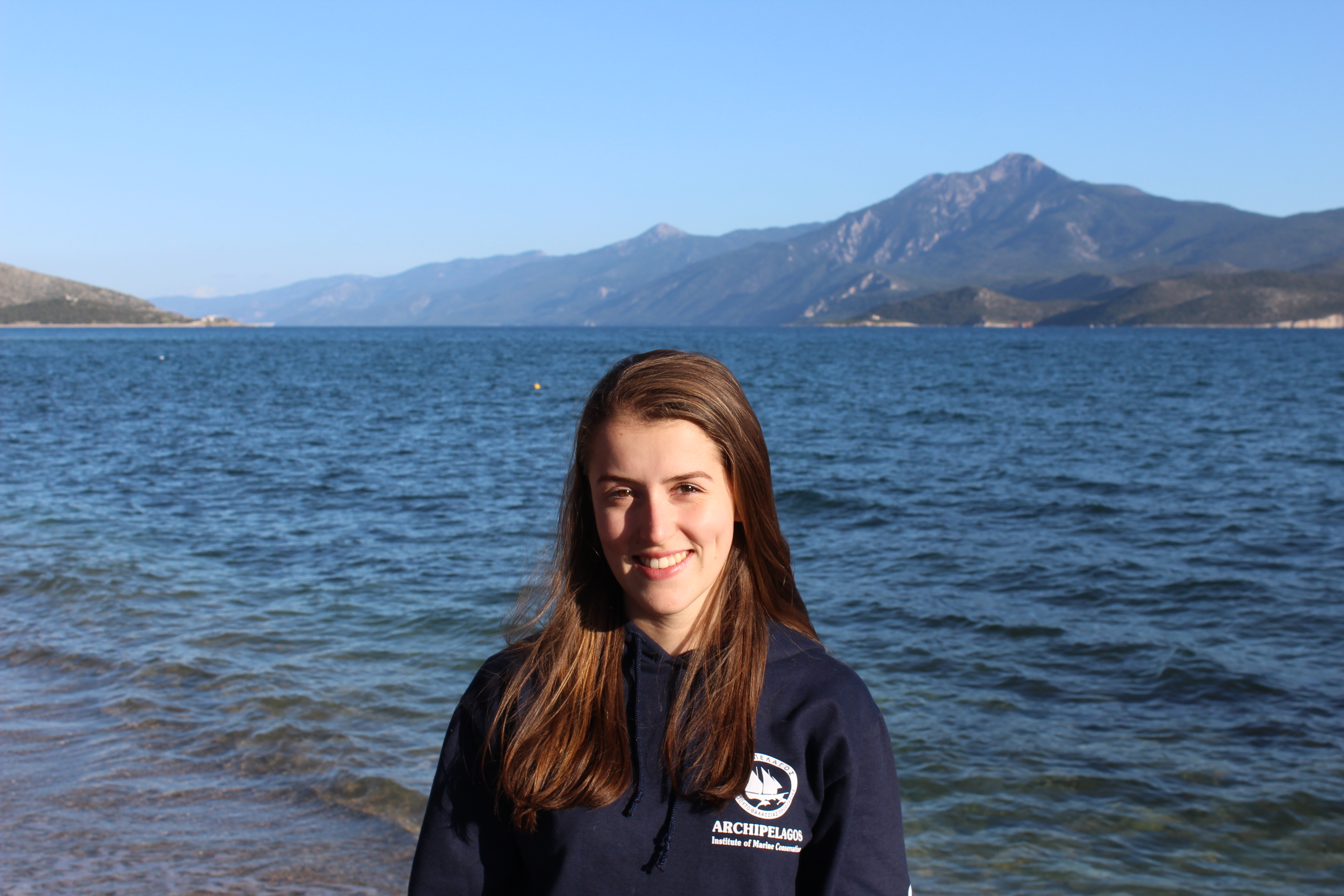
Studying Environmental Sciences and Sustainability at the University of Glasgow, Rowan was enticed by an internship with Archipelagos for a multitude of reasons; the research areas relevant to her university studies back in the UK, the lab facilities available to her during her internship and Archipelagos’ own research vessels. During her internship, Rowan participated on various marine research surveys, on land and at sea, and helped in the development of two projects, along with other marine mammal team members. Although her principal focus surrounded marine mammal strandings, one of the projects she additionally took an interest in was the macroplastic data collection. This is a daily survey Archipelagos has been doing for over a year and a half, using the clean coast index (CCI) to quantify the cleanliness of beaches, comparing results seasonally.

[siteorigin_widget class=”WP_Widget_Media_Image”][/siteorigin_widget]

The Mediterranean, as well as seas worldwide, experience numerous cases of animal strandings, when a marine mammal becomes beached on the seas’ shore, unable to re-enter the water or suffers a fatality due to injury, disease or anthropogenic impacts. Archipelagos Institute responds directly to many strandings, and is present at the site of the stranding as well as conducting necropsies, building upon our understanding of causes of death and post mortem impacts to the body.

[siteorigin_widget class=”WP_Widget_Media_Image”][/siteorigin_widget]

When speaking about her involvement in various Archipelagos studies, Rowan said: “the aim of studying strandings so closely is to create a geospatial visual representation of the Archipelagos strandings dataset.” Throughout her internship Rowan developed her computer skills by using the newest version of QGIS – a computer mapping programme used to geographical map scientific information, integral to the communication of research and science. When talking about results, Rowan says, “We haven’t yet found any significant findings, however, I have identified the hot spots for strandings in Samos, which can help provide suggestions for people to work on in the future.”

However, “Conducting research on endangered animals can be particularly frustrating, I encountered gaps within the data from over the past 5 years, making it difficult to organise.” The reasoning for the limitations of the dataset is because Archipelagos relies on stranding calls on a volunteer basis. Therefore, in less populated and remote areas there will be no calls in the event of a stranding, thus no comprehensive data. These identified hotspots are due to higher human activity and a high possibility of people recording and spotting stranding.

[siteorigin_widget class=”WP_Widget_Media_Image”][/siteorigin_widget]

To understand the cause of a marine mammal’s death after a stranding, a necropsy is performed. Rowan expresses that Archipelagos’ protocol for strandings has given her “a unique experience by equipping me with biological knowledge of marine mammals, which I wouldn’t have acquired at university.” One particular aspect she loved about her internship was that “you are invited to be involved and take part in elements of scientific work even if you don’t have much prior experience, such as participating with the necropsies, if you show initiative and enthusiasm, your participation is encouraged”. In addition to her project, Rowan participated in several marine mammal surveys including; monk seal monitoring, marine bioacoustics studies, microplastic and cetacean photo identification as well as boat surveys.

[siteorigin_widget class=”WP_Widget_Media_Image”][/siteorigin_widget]

After two months in Samos, Rowan has contributed to multiple datasets that will be useful for future interns and those who are here for a longer periods of time. She confidently says, “I have accumulated a lot of field work experience which I can apply to my dissertation topic in my fourth year of University which will also give me an insight into the world of academia.” Her time here also led to the success of her new internship in fish ecology, tracking and mapping salmon smolts. We wish her the best of luck!
0
0
0
0
0

What you can read next

Archipelagos International School of the Sea Marine Ecology Team
Monitoring the artificial reefs implemented by Archipelagos Institute
Combining Botany with Terrestrial Wildlife Research
Producing short videos for the Marine Conservation projects

HIGHLIGHTS

  • International Visitors at the Aegean Marine Life Sanctuary Project

    International Visitors at the Aegean Marine Life Sanctuary Project

    1 June 2021
    At Archipelagos Institute of Marine Conservation an important visit took …
  • The Efkranti Award was Granted to the Archipelagos Institute of Marine Conservation

    The Efkranti Award was Granted to the Archipelagos Institute of Marine Conservation

    27 July 2020
    It was a great honor but also great moral support …
  • The President of the Hellenic Republic’s visit to Archipelagos research vessel, the Aegean Explorer

    The President of the Hellenic Republic’s visit to Archipelagos research vessel, the Aegean Explorer

    30 June 2020
    Yesterday, during the President of the Republic’s visit to the …
  • Award to Archipelagos: Best Heroic Act of Environmental Stewardship

    Award to Archipelagos: Best Heroic Act of Environmental Stewardship

    19 February 2020
    The Short Documentary Film presenting the Aegean Marine Life Sanctuary, …
  • Award to Archipelagos Institute from the International Propeller Club of the United States

    Award to Archipelagos Institute from the International Propeller Club of the United States

    6 February 2020
    We would like to thank the International Propeller Club of …

Recent Posts

  • Photo-ID & Behavioral Assessments of Delphinus delphis in the Northern Aegean Sea

    Photo-ID & Behavioral Assessments of Delphinus delphis in the Northern Aegean Sea

    2 November 2023
    Yasas! Intern Alannah from the Marine Mammal Field here, currently …
  • Experiences After Work at Archipelagos

    Experiences After Work at Archipelagos

    2 November 2023
    Hi, I’m Ella and I completed a 6-week internship on …
  • Hands-on Projects with the Marine Mammal Research & Conservation Team

    Hands-on Projects with the Marine Mammal Research & Conservation Team

    2 November 2023
    My name is Sjoerd and I am in the last …
  • Planting Underwater Gardens of Posidonia seagrass- a new innovative planting process

    Planting Underwater Gardens of Posidonia seagrass- a new innovative planting process

    29 June 2023
    An innovative process of planting underwater gardens of Posidonia oceanica …
  • A special three-day research expedition to the Ikaria Trench

    A special three-day research expedition to the Ikaria Trench

    19 May 2023
    Archipelagos Marine Mammal Research team took part in a very …
  • Aegean Islet Conservation Project in cooperation with the University of Toronto’s Faculty of Architecture

    Aegean Islet Conservation Project in cooperation with the University of Toronto’s Faculty of Architecture

    17 May 2023
    A new cycle of interdisciplinary on-site research of the Aegean …
  • Mutilated Striped Dolphin Stranded on the shores of Samos Island

    Mutilated Striped Dolphin Stranded on the shores of Samos Island

    12 May 2023
    A mutilated striped dolphin was found stranded on the north …

Subscribe to Our Newsletter

Archipelagos Institute of Marine Conservation is committed to researching and defending the biodiversity of the Greek seas and islands.

Our action is possible only with your help!

donate
  • Contact us
  • Placements

Archipelagos - Institute of Marine Conservation © All Rights Reserved || Developed Fekas Brothers

TOP