Archipelagos

  • English
  • Ελληνικα
Who We Are
The TeamThe Team
Research BasesResearch Bases
Research BoatsResearch Boats
Our EquipmentOur Equipment
PartnersPartners
SupportersSupporters
Fields of Action
Marine ConservationMarine Conservation Fisheries Shipping Risks Seagrass Meadows Coralligene Conservation Littoral Ecosystems Invasive Species Jellyfish Sea Turtles
Marine MammalsMarine Mammals Dolphins and Porpoises Whales Seals
Terrestrial ConservationTerrestrial Conservation Island Fauna Forests & Flora Freshwater Ecosystems Aegean Seed Bank
Laboratory ResearchLaboratory Research Microplastics Water Analysis Soil Quality
Projects
Aegean Marine Life Sanctuary
Eco-Navigation
FIsh4Life
Save the Aegean
Join Us
Internships in the Aegean
Remote Internships
Interns Experiences
Field Courses
News
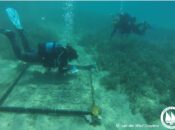
Planting Underwater Gardens of Posidonia seagrass- a new innovative planting process
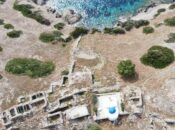
Aegean Islet Conservation Project in cooperation with the University of Toronto’s Faculty of Architecture
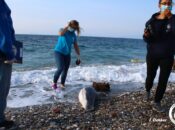
Mutilated Striped Dolphin Stranded on the shores of Samos Island
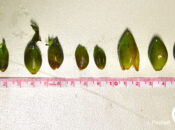
Posidonia Seagrass Fruits Wash up on Our Shores – A Rare Phenomenon
View All...
Contact us
Publications
Videos
Awareness Material
Donate
Menu

Ignorance of Nature: The Greatest Risk for Wildlife Survival

Ignorance of Nature: The Greatest Risk for Wildlife Survival

by Kleopatra Delaveri / Thursday, 16 July 2020 / Published in News, Press Releases

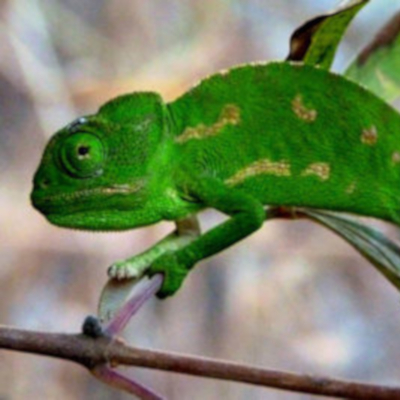
The last established population of Mediterranean Chameleons in Greece (Chameleo chameleon), still survives until today on the island on Samos. In previous decades this species also survived in Chios and Crete, while today we do not know if there are viable populations of the species on these islands. Chameleons, in most parts of the world where they are found, are recognized and protected as emblematic species. In Greece, however, due to lack of information, we are still ignorant of the species with which we coexist, thus endangering their survival.
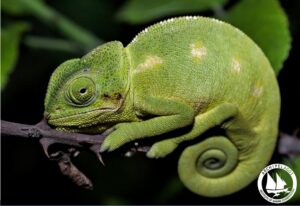
The Mediterranean Chameleon is a protected and rare reptile, which is particularly vulnerable to anthropogenic impacts and climate change, as it has a short life cycle which on average is 3 years. Chameleons, in addition to their important role in the ecosystem, they are also very useful for human life as they feed on insects, as they control the populations of insects that affect fruit trees and crops.

Being aware of the rarity of the species and of the responsibility this brings, Archipelagos’ Terrestrial Research team started monitoring the populations of this rare species in Samos island since 2009, combining field research with awareness raising efforts. The aim is to engage the local community in the conservation efforts of the last chameleon population in the Aegean. All the above actions are self-funded by Archipelagos Institute.
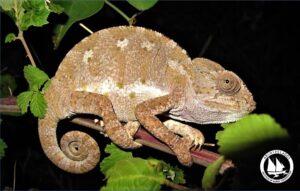
Chameleons are arboreal reptiles that spend most of their lives hiding in the branches of tall shrubs or trees. However, during the breeding season, they leave the trees to breed and then to lay their eggs. Like all lizards found in Greece, chameleons have no venom and are completely harmless to humans.
View here a short animation about the Mediterranean Chameleon https://www.youtube.com/watch?v=87dDf2y4k48

It is very important to realize that Aegean Sea islands have been isolated habitats for many centuries, which makes the island biodiversity particularly important, but also particularly vulnerable. For this reason, wildfires, but mainly the excessive use of pesticides are key factors of threat that can be fatal for the last population of Mediterranean chameleon in Greece, but also for many other species.
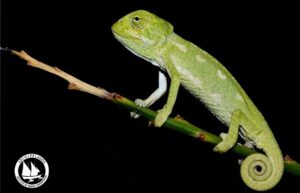
The biggest problem for the survival of biodiversity in Greece remains the lack of information, knowledge and comprehension of nature. As time runs out, the survival of the Chameleon, like so many other species which are on the brink of survival in Greece, has to do with how effectively and if our catastrophic behaviors will change, so that we give an end to all those lost opportunities for conservation.

0
0
0
0
0

What you can read next

Cleaning the Beaches of Samos
Research-based cooperation between Archipelagos and UNEP/MAP – RAC SPA
Aegean Explorer
Joint Field Research in the Small Islets of the Aegean with the Faculty of Architecture of the Toronto University

HIGHLIGHTS

  • International Visitors at the Aegean Marine Life Sanctuary Project

    International Visitors at the Aegean Marine Life Sanctuary Project

    1 June 2021
    At Archipelagos Institute of Marine Conservation an important visit took …
  • The Efkranti Award was Granted to the Archipelagos Institute of Marine Conservation

    The Efkranti Award was Granted to the Archipelagos Institute of Marine Conservation

    27 July 2020
    It was a great honor but also great moral support …
  • The President of the Hellenic Republic’s visit to Archipelagos research vessel, the Aegean Explorer

    The President of the Hellenic Republic’s visit to Archipelagos research vessel, the Aegean Explorer

    30 June 2020
    Yesterday, during the President of the Republic’s visit to the …
  • Award to Archipelagos: Best Heroic Act of Environmental Stewardship

    Award to Archipelagos: Best Heroic Act of Environmental Stewardship

    19 February 2020
    The Short Documentary Film presenting the Aegean Marine Life Sanctuary, …
  • Award to Archipelagos Institute from the International Propeller Club of the United States

    Award to Archipelagos Institute from the International Propeller Club of the United States

    6 February 2020
    We would like to thank the International Propeller Club of …

Recent Posts

  • Photo-ID & Behavioral Assessments of Delphinus delphis in the Northern Aegean Sea

    Photo-ID & Behavioral Assessments of Delphinus delphis in the Northern Aegean Sea

    2 November 2023
    Yasas! Intern Alannah from the Marine Mammal Field here, currently …
  • Experiences After Work at Archipelagos

    Experiences After Work at Archipelagos

    2 November 2023
    Hi, I’m Ella and I completed a 6-week internship on …
  • Hands-on Projects with the Marine Mammal Research & Conservation Team

    Hands-on Projects with the Marine Mammal Research & Conservation Team

    2 November 2023
    My name is Sjoerd and I am in the last …
  • Planting Underwater Gardens of Posidonia seagrass- a new innovative planting process

    Planting Underwater Gardens of Posidonia seagrass- a new innovative planting process

    29 June 2023
    An innovative process of planting underwater gardens of Posidonia oceanica …
  • A special three-day research expedition to the Ikaria Trench

    A special three-day research expedition to the Ikaria Trench

    19 May 2023
    Archipelagos Marine Mammal Research team took part in a very …
  • Aegean Islet Conservation Project in cooperation with the University of Toronto’s Faculty of Architecture

    Aegean Islet Conservation Project in cooperation with the University of Toronto’s Faculty of Architecture

    17 May 2023
    A new cycle of interdisciplinary on-site research of the Aegean …
  • Mutilated Striped Dolphin Stranded on the shores of Samos Island

    Mutilated Striped Dolphin Stranded on the shores of Samos Island

    12 May 2023
    A mutilated striped dolphin was found stranded on the north …

Subscribe to Our Newsletter

Archipelagos Institute of Marine Conservation is committed to researching and defending the biodiversity of the Greek seas and islands.

Our action is possible only with your help!

donate
  • Contact us
  • Placements

Archipelagos - Institute of Marine Conservation © All Rights Reserved || Developed Fekas Brothers

TOP