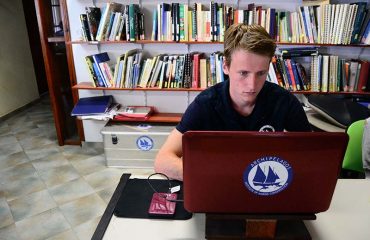



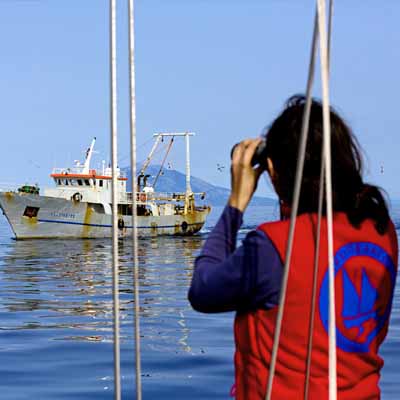
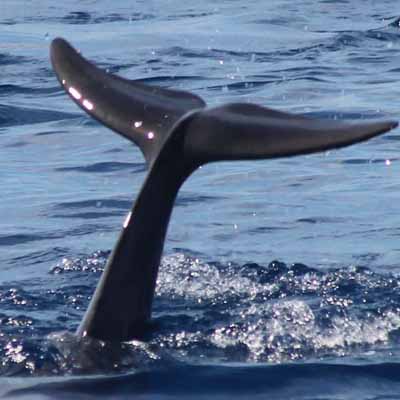
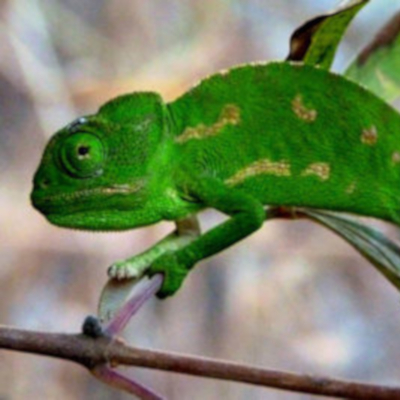
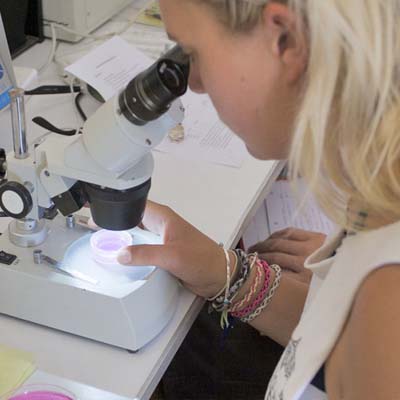
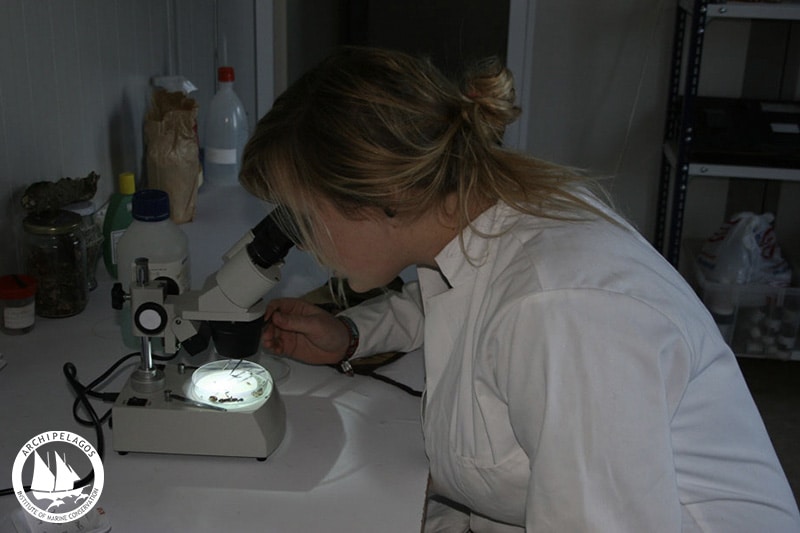
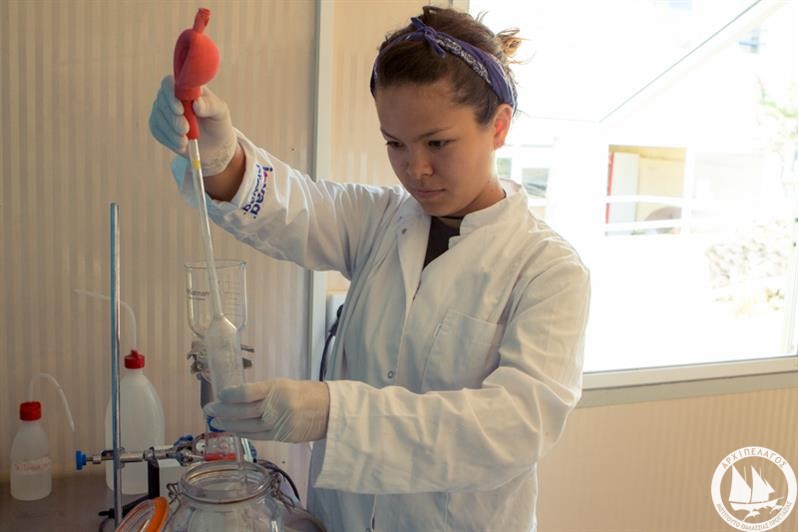
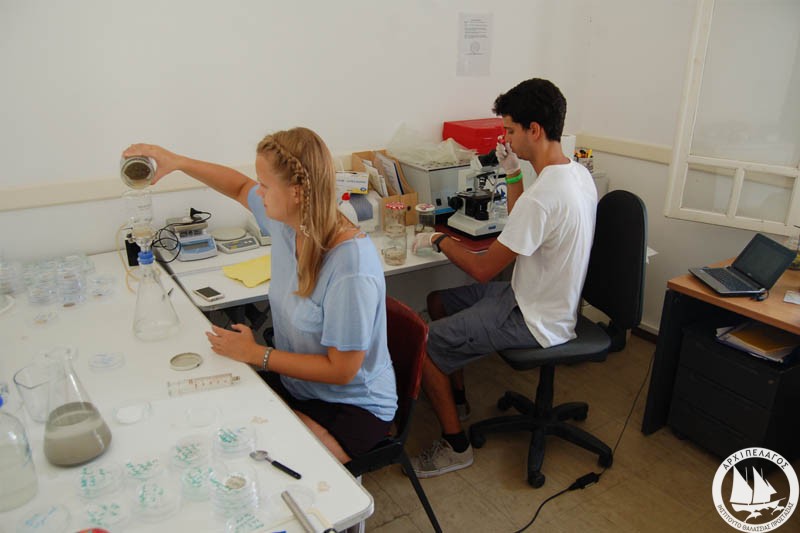
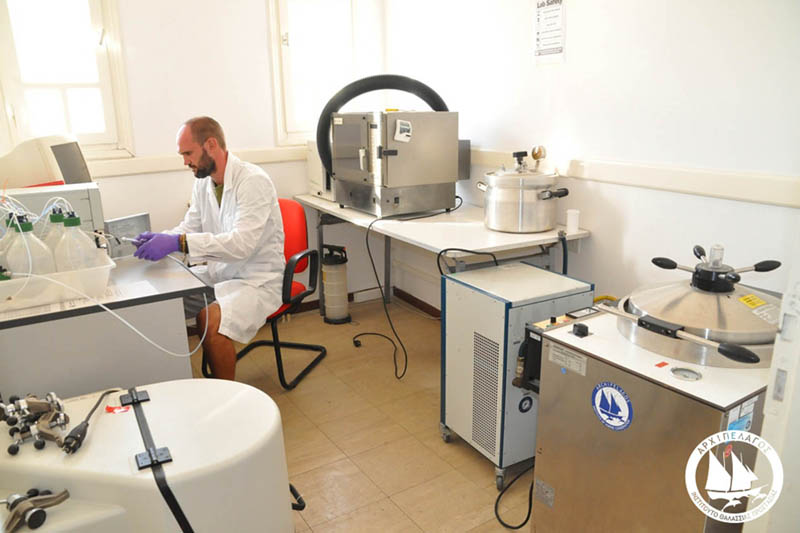
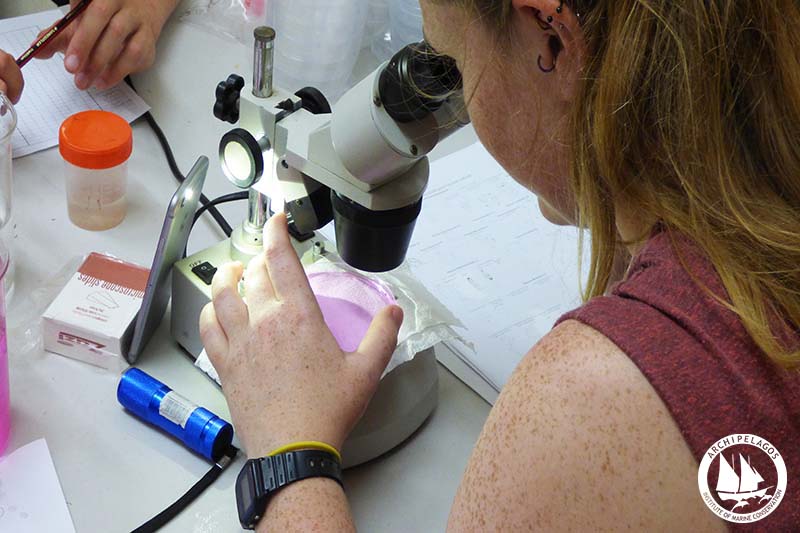
One of the main efforts of Archipelagos has been the establishment of the first non-governmental, non-profit, independent laboratory in Greece. The Archipelagos laboratory facilitates studies which detect and analyze potential sources of pollution harmful for marine and terrestrial ecosystems. Such contamination can also damage the health of people who live on the islands and in the coastal regions of the eastern Mediterranean.
The Archipelagos laboratory offers local communities the analysis of drinking water, swimming water and soil quality free of charge. Analyses are being performed with the aim of detecting pesticide residues in plant tissues, final products (e.g. wine and oil), as well as in soil samples. Potential microbial contamination of vegetables is also being assessed. Other analyses include determining the pharmacological potential of marine organisms.
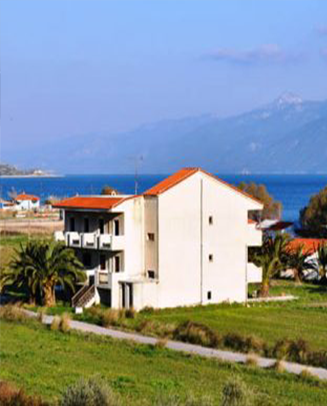
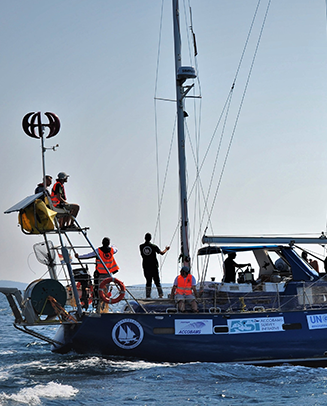
The Archipelagos laboratory is located in the Archipelagos research base on Samos and a smaller lab unit operates in the Archipelagos research base on Ikaria. In addition, an onboard lab is currently being developed on the Archipelagos research boat, Pinelopi. The on-board lab will facilitate water analyses in various parts of the Greek seas during Archipelagos’ research expeditions.
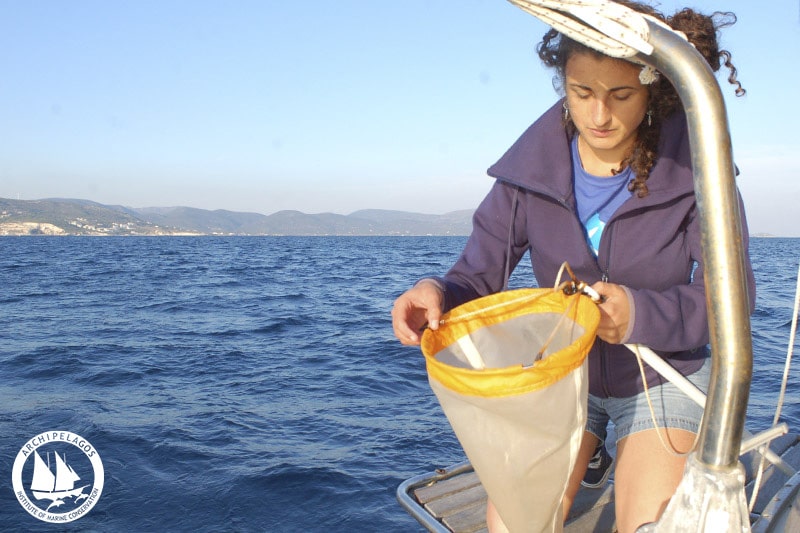 Microplastics
Marine debris is everywhere in our seas, in the form of large or small fragments or as microplastics fibers. It has been detected in all of our oceans and seas worldwide, as well as on six continents from the poles to the equator. Traveling on a ship thousands of miles from lands you can find floating pieces of plastic, which break down into invisible microplastics. According to a report by the United Nations, it is estimated that in every square kilometer of the ocean there are approximately 13,000 pieces of plastic.
The issue of microplastics pollution is similar to that of climate change, in the sense that it is an invisible problem that is easily neglected by the authorities and the public, but it is an issue bequeathed to future generations. Not only the food chain, but also water sources can hold microplastics for very long periods, possibly for centuries.
Plastic is everywhere around us: in plastic bags, bottles, toys, screw caps, packaging etc. In 2012 the global plastic production exceeded 280 million tons. Of these only 1% was recycled and it is estimated that only 50% of plastic waste ends up in landfills. The rest is dispersed in the environment, directly or indirectly, and as a result, plastics are one of the main polluters of the world’s waters today.
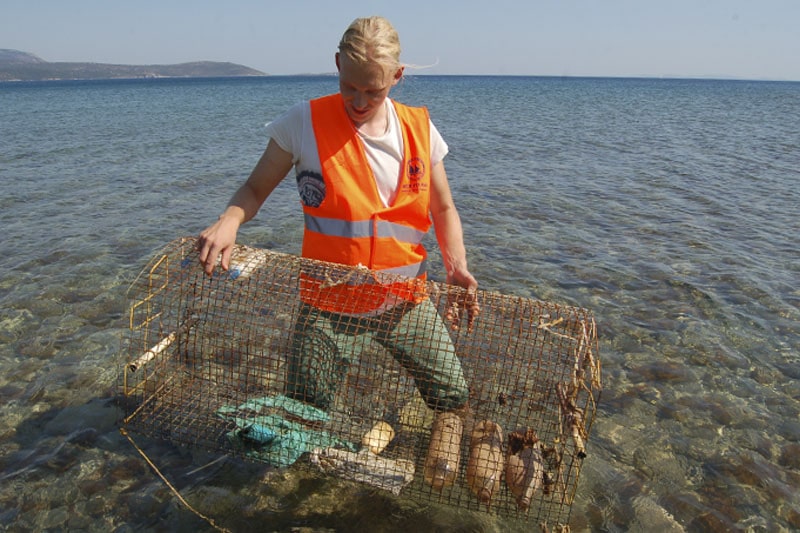
Archipelagos Institute of Marine Conservation, in 2009, was the first organisation in Greece to initiate research assessing the extent of microplastics distribution. The research illustrated the scale of the problem and the results were shocking. Analysing more than 1000 samples from 167 beaches of the Greek coast, every sample contained microplastic fibers. Samples from remote islands and uninhabited areas were found to contain microplastics fibers in an amount equivalent to the beaches of Athens.
Further analysis carried out to date shows that almost 100% of fish and marine invertebrates examined (such as sponges and sea cucumbers) contained microplastics fibers in their stomachs. The goal of Archipelagos is to identify the main source of influx of microplastics into the Aegean and verify whether they are indeed traveling through the food chain, from plankton to humans. The findings of this research will be used for awareness campaigns.
 Water Quality
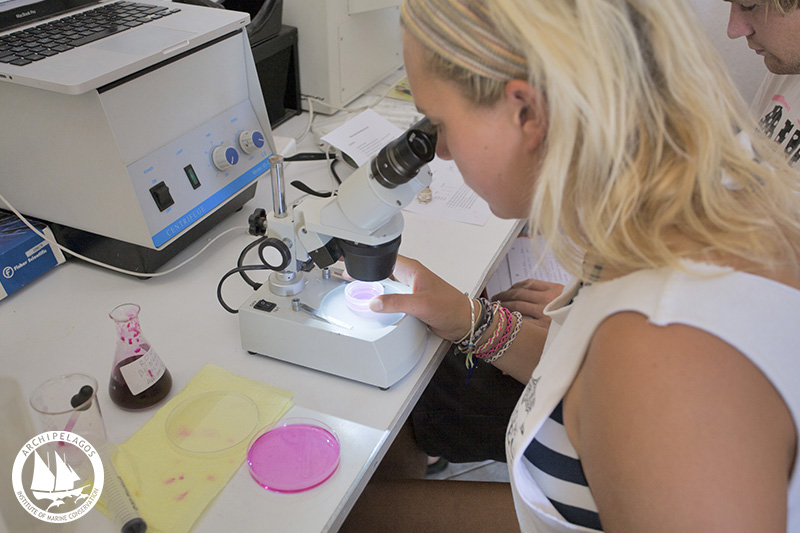
The Archipelagos laboratory analyzes both marine and freshwater samples, defining the content of microbes, nutrients and other chemical compounds. The aim is to assess the safety of local potable water, groundwater and swimming water in order to protect human health as well as the environment. When contamination is detected, Archipelagos informs and collaborates with communities as well as relevant authorities (local, national and/or EU) for the development and application of appropriate measures.
All of the techniques used in the Archipelagos laboratory are certified and produce scientific, reliable results. Further analyses which require resources beyond these currently available at the Archipelagos laboratory are undertaken at partner university laboratories.
 Drinking and Groundwater
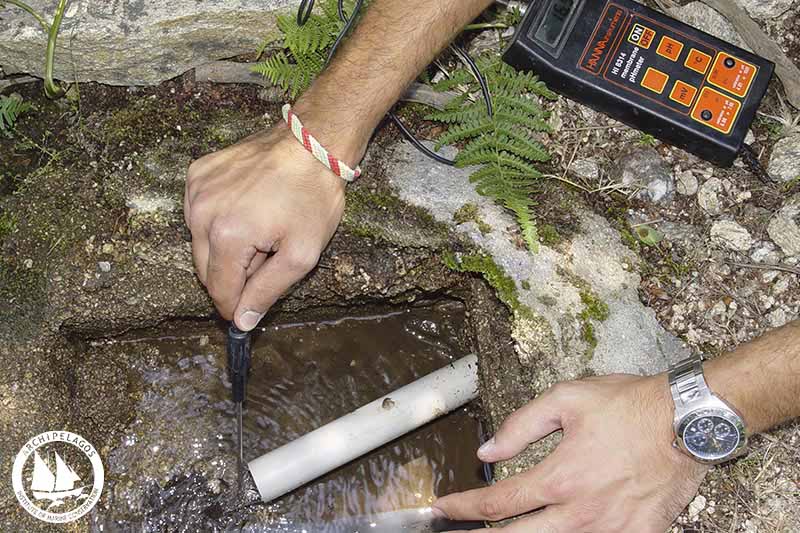
Archipelagos provides analyses of drinking water on various islands of the Aegean, focusing especially on the islands where the local authorities do not conduct regular monitoring. In most places drinking water can originate from different sources, hence the risk of pollution caused by nearby anthropogenic activities and natural rock erosion. On small islets and islands of the Aegean, where the water resources are limited and potable water is transported to people via water tankers, the quality of the water can differ with each shipment delivered.
The Archipelagos laboratory provides local island communities with water quality analyses in order to ensure that they have free, safe access to drinking water. In addition, Archipelagos tests the water in regions where the contamination of groundwater is possible. When sources of pollution are detected, Archipelagos collaborates with local, national and EU authorities in order to eliminate them.
 Swimming Waters
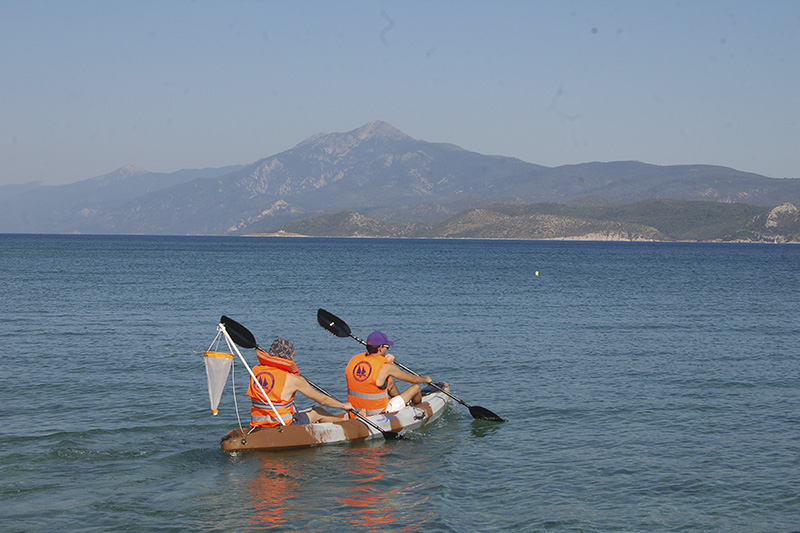
The Archipelagos laboratory supplies data on swimming water quality at various beaches and informs local authorities, communities and visitors whether the waters are safe for them and their children to swim in or not. In many places around the Greek coastline, such samples are not regularly collected by the national authorities. Even when these tests are conducted, the results are not shared with the local communities. Our chemical water analyses are carried out using the photometric method (certification ISO 9001: 2000) and a digital arsenator (certification ISO 9001: 2000). The microbiological analyses are also carried out (IDEXX Colilert-18/ Quanti-Tray®: ISO 9308-3 (E. coli).
Soil Quality
Growing healthy and productive crops requires good soil quality. If your soil is poor, you can selectively add the nutrient that is lacking from your soil for the specific crop you are growing in place of adding chemical fertilizers. On the basis of this principle, the Archipelagos laboratory team offers free analyses of soil quality for farmers who are also advised of the nutrient content of their soil and of natural methods of replenishing any nutrients that are missing. Our laboratory provides analyses of soil samples for the following parameters: Ammonia, calcium, chloride, free chlorine, cooper, iron, pH, magnesium, manganese, nitrate, nitrite, phosphate, phosphorus.
 Pesticide Residues
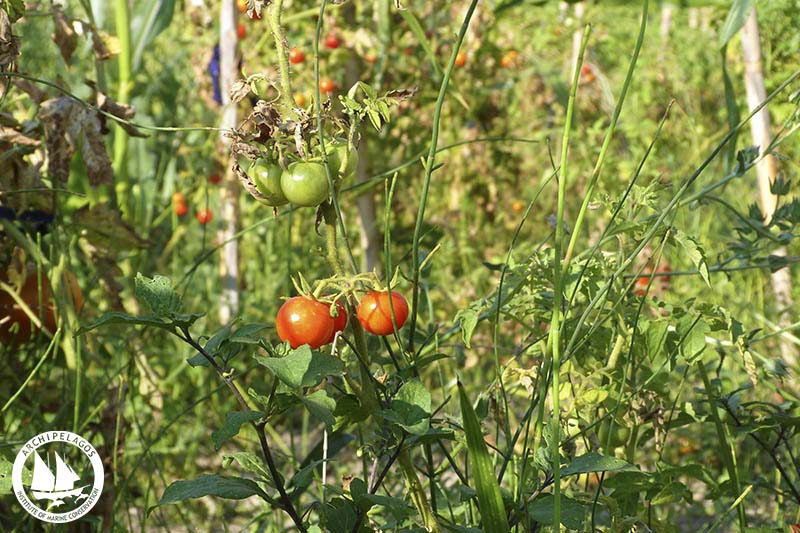
Archipelagos conducts research on pesticide residues in order to assess environmental effects of the use of pesticides and herbicides in farming practices and to inform consumers and farmers about these effects. Using the results of our analyses, we create awareness campaigns that explain the health hazards of pesticides and encourage farmers to choose organic methods in place of chemical agents. Our laboratory team collects samples from olive groves, vineyards, vegetable gardens and greenhouses. Samples are collected and analyzed from the main crops, the produced goods (e.g. wine and oil), the surrounding vegetation growing on the ground and the soil. In recent years there has been a slow but steady shift towards organic farming by people who live on the islands. Nevertheless, a lot of work is still needed for progress to be made on a large scale.