Archipelagos

  • English
  • Ελληνικα
Who We Are
The TeamThe Team
Research BasesResearch Bases
Research BoatsResearch Boats
Our EquipmentOur Equipment
PartnersPartners
SupportersSupporters
Fields of Action
Marine ConservationMarine Conservation Fisheries Shipping Risks Seagrass Meadows Coralligene Conservation Littoral Ecosystems Invasive Species Jellyfish Sea Turtles
Marine MammalsMarine Mammals Dolphins and Porpoises Whales Seals
Terrestrial ConservationTerrestrial Conservation Island Fauna Forests & Flora Freshwater Ecosystems Aegean Seed Bank
Laboratory ResearchLaboratory Research Microplastics Water Analysis Soil Quality
Projects
Aegean Marine Life Sanctuary
Eco-Navigation
FIsh4Life
Save the Aegean
Join Us
Internships in the Aegean
Remote Internships
Interns Experiences
Field Courses
News
Planting Underwater Gardens of Posidonia seagrass- a new innovative planting process
Aegean Islet Conservation Project in cooperation with the University of Toronto’s Faculty of Architecture
Mutilated Striped Dolphin Stranded on the shores of Samos Island
Posidonia Seagrass Fruits Wash up on Our Shores – A Rare Phenomenon
View All...
Contact us
Publications
Videos
Awareness Material
Donate
Menu

Habitat Modelling of Common Dolphin by Using Different Dynamic Models

Habitat Modelling of Common Dolphin by Using Different Dynamic Models

by Archipelagos / Sunday, 27 November 2016 / Published in Intern Experience, Marine Mammal Team, Work Journal

The aim of the project is to complete habitat modelling of common dolphins, Delphinus delphis, in the Aegean Sea by using different dynamic models.  Populations of marine mammals found in Mediterranean Sea are genetically distinct from their North Atlantic relatives, which is why the studies revealing their habitats and biology are so important. The Aegean Sea is one of the least surveyed portions of the Mediterranean in terms of cetacean presence; because of that, any studies on habitat preference of marine mammals in this region are very important. In this past month, a literature review was completed on possible ecological models used in marine mammal habitat mapping. In addition, marine mammal boat and land surveys were conducted to collect data that will be used in the modelling. The next step to reach the overall aim, will be to organize the data and select environmental factors which will be used in the model. The process of data organization entails compiling an Excel file with all required sightings of common dolphins in the research area over 2016.
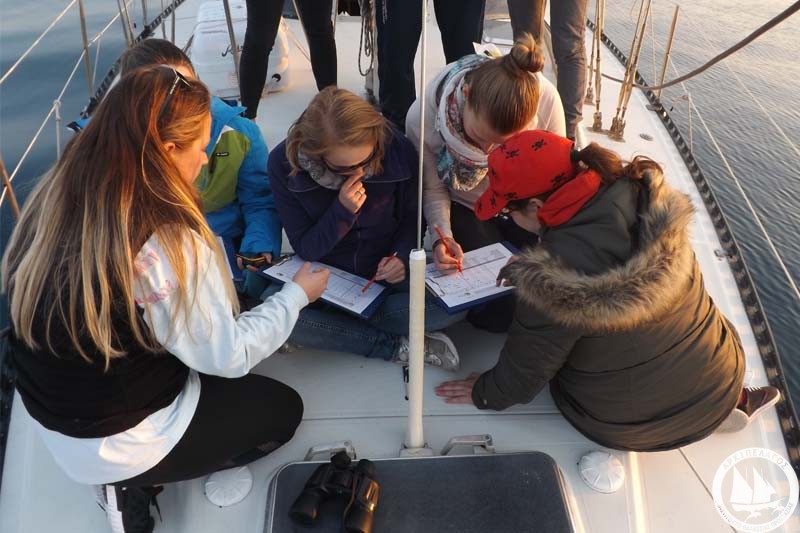
boat-survey-3-25_11_16

boat-survey-2-21_10_16
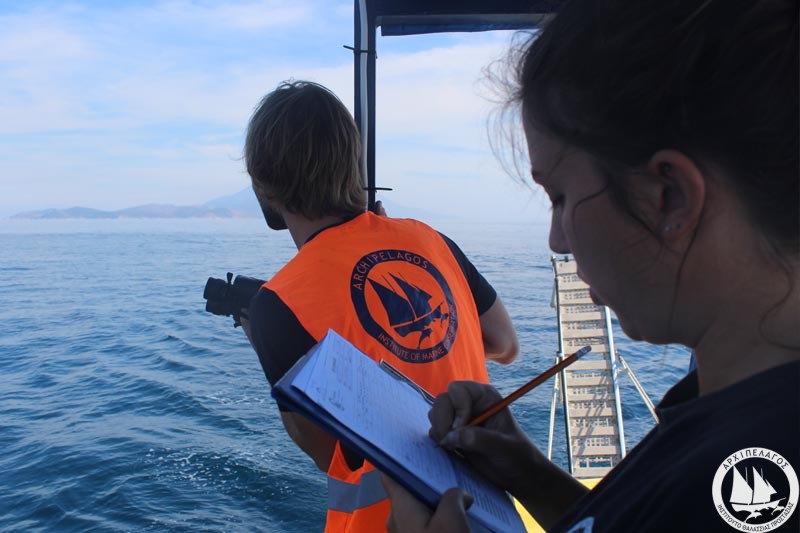
Boat and Land Based Marine Mammal Surveys

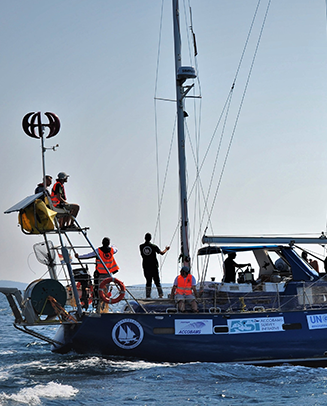
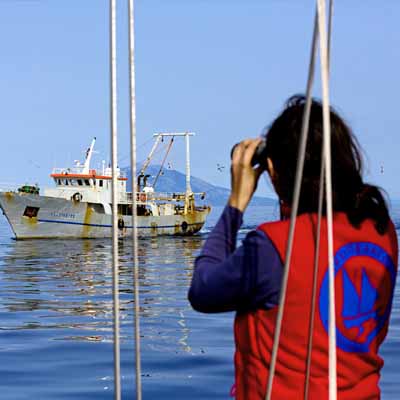
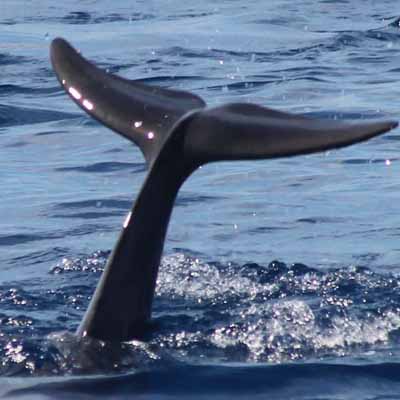
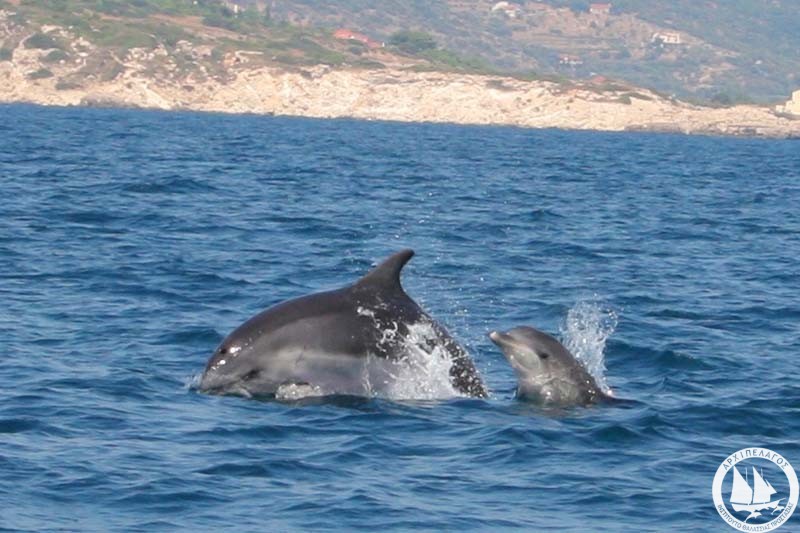
The team has completed multiple marine mammal boat surveys and one land survey over the last month. The aim is to collect behavioural data, abundance, anthropogenic affects, as well as photos for photo-ID of individual bottlenose and common dolphins (Tursiops truncatus and Delphinus delphis). Despite the difficult weather conditions of the winter, we will continue survey and data collection over the coming months, during all mild-weather days.
eco-navgiation-2
Eco-Navigation

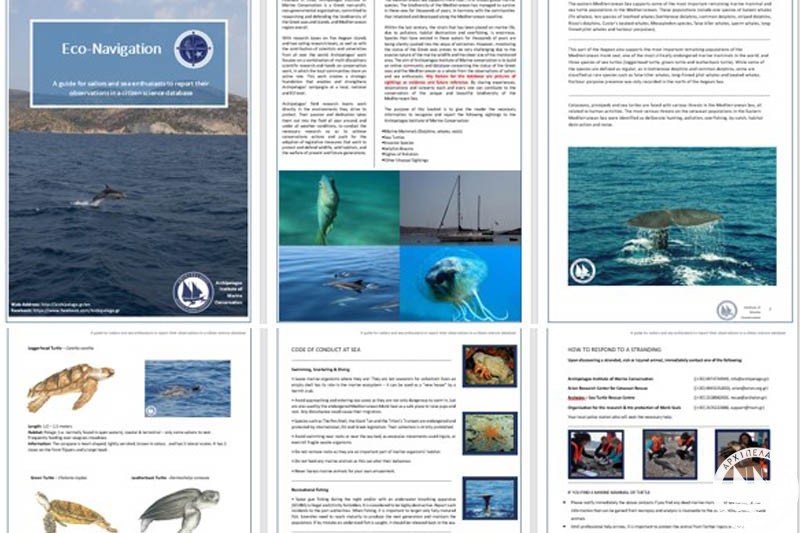
The Eco-navigation project focuses on creating a citizen-science platform about observations of marine mammals (dolphins, whales, seals), sea turtles, invasive species and jellyfish blooms, as well as, pollution incidents (plastic debris, oil slicks, etc.) or other unusual sightings. In this way we are in the process of forming a network of sailors, divers, fishermen and other sea enthusiasts who will contribute to the eco-navigation network by providing information and photographs of the observations they make. The aim of this project is to create an online community and a database concerning the status of the Greek seas and whole Mediterranean, from the observations of sailors and sea enthusiasts. During this month, the eco-navigation booklet was handed out to sailors traveling in the East Aegean. Additionally, a database was created and updated from sightings that were e-mailed to Archipelagos from individuals who received the booklet. In the next months, we will continue the awareness raising efforts aiming to strengthen the Eco-Navigation network.
slideshow-1
The Aegean Marine Life Sanctuary

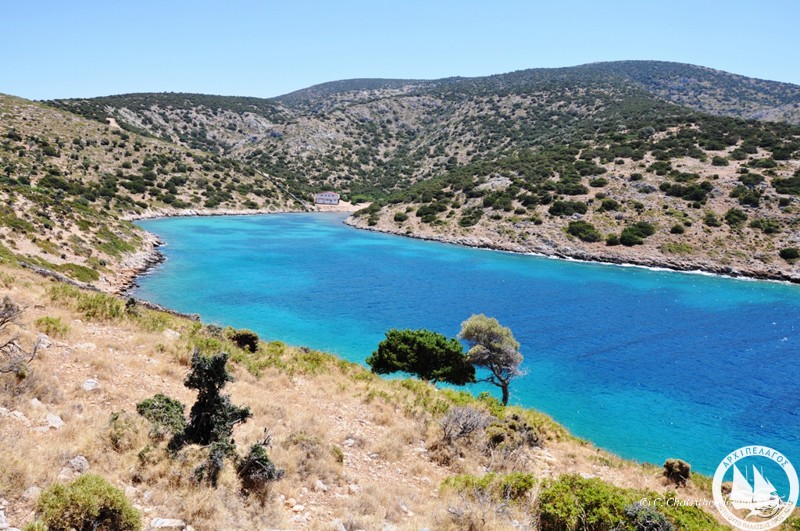
The project focuses on the various design and preparation aspects for the creation of The Aegean Marine Life Sanctuary (read more here). Over the last month, a scoping document giving an overview of the Aegean Marine Life Sanctuary has been completed. Additionally, images of a superimposed Vroulia Bay over three European dolphinariums (Barcelona Zoo, Harderwijk Dolfinarium and Attica Zoological Park) were created to show the size of the dolphinariums in comparison to the sanctuary. Archipelagos’ marine mammal research team, works hard to support all aspects of this challenging endeavor, which is one of Archipelagos’ key projects and conservation goals.
e
The Strandings Database – Response to Strandings

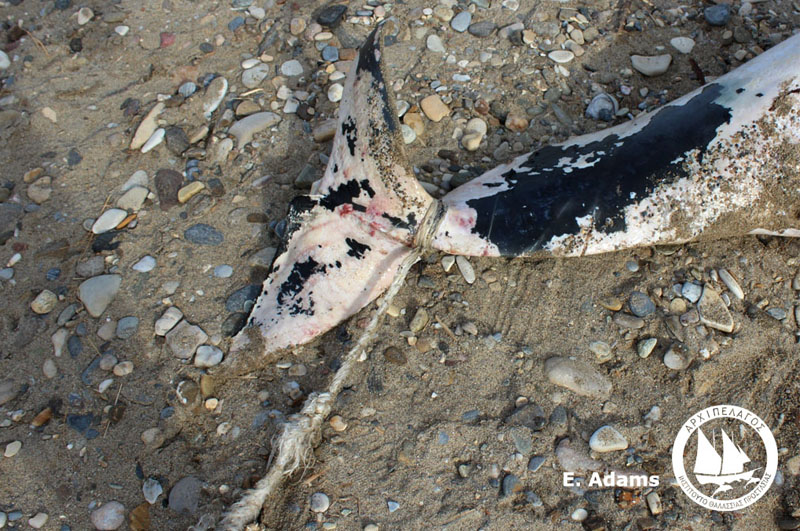
The aim for the strandings database is to collect information about strandings which have occurred in the Greek seas since 2000, as well as, keeping all information digitalized and easily accessible. Currently we are inputting new information to the database, including one stranded marine mammal, and two stranded sea turtles that the team responded to this month. The aim for the next month is to collect any missing data and continue to update the database as strandings occur.
Nireas (8)
Drone Protocol Review

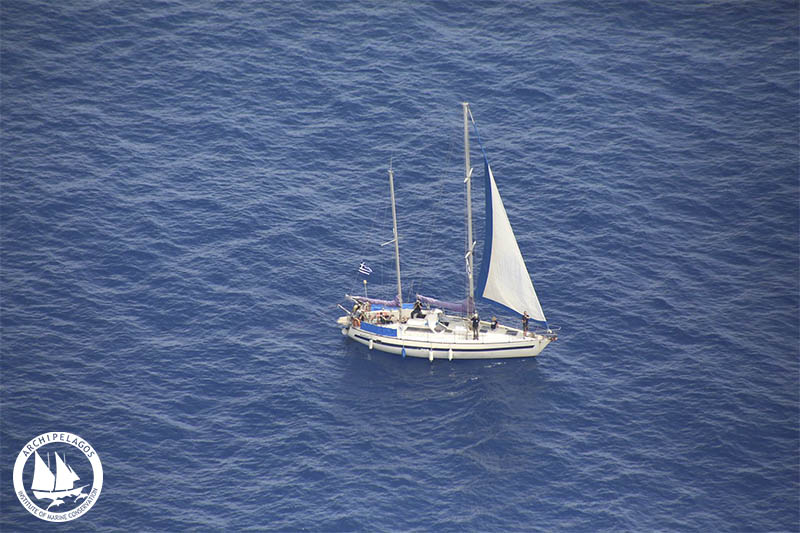
The aim of the project was to compile a scientific protocol for marine mammal drone surveys by conducting a literature review. Using a drone will increase the chances of finding marine mammals and taking high-resolution pictures that can be further analysed and used in photo-ID.  This month, scientific papers on drone-usage for marine mammal surveys were reviewed and summarized. In the next month, the aim is to gather more information on the topic and create a scientific protocol.
bottlenose

0
0
0
0
0

What you can read next

Great Data from 11 Boat surveys in 15 days by the Archipelagos’ Marine Mammal Research Team
Determining the Ratio of Microplastic in Zooplankton in Surface Waters Surrounding Samos Island
Comparing Debris Found on Beach Cleans During Different Seasonal Activity

HIGHLIGHTS

  • International Visitors at the Aegean Marine Life Sanctuary Project

    International Visitors at the Aegean Marine Life Sanctuary Project

    1 June 2021
    At Archipelagos Institute of Marine Conservation an important visit took …
  • The Efkranti Award was Granted to the Archipelagos Institute of Marine Conservation

    The Efkranti Award was Granted to the Archipelagos Institute of Marine Conservation

    27 July 2020
    It was a great honor but also great moral support …
  • The President of the Hellenic Republic’s visit to Archipelagos research vessel, the Aegean Explorer

    The President of the Hellenic Republic’s visit to Archipelagos research vessel, the Aegean Explorer

    30 June 2020
    Yesterday, during the President of the Republic’s visit to the …
  • Award to Archipelagos: Best Heroic Act of Environmental Stewardship

    Award to Archipelagos: Best Heroic Act of Environmental Stewardship

    19 February 2020
    The Short Documentary Film presenting the Aegean Marine Life Sanctuary, …
  • Award to Archipelagos Institute from the International Propeller Club of the United States

    Award to Archipelagos Institute from the International Propeller Club of the United States

    6 February 2020
    We would like to thank the International Propeller Club of …

Recent Posts

  • Photo-ID & Behavioral Assessments of Delphinus delphis in the Northern Aegean Sea

    Photo-ID & Behavioral Assessments of Delphinus delphis in the Northern Aegean Sea

    2 November 2023
    Yasas! Intern Alannah from the Marine Mammal Field here, currently …
  • Experiences After Work at Archipelagos

    Experiences After Work at Archipelagos

    2 November 2023
    Hi, I’m Ella and I completed a 6-week internship on …
  • Hands-on Projects with the Marine Mammal Research & Conservation Team

    Hands-on Projects with the Marine Mammal Research & Conservation Team

    2 November 2023
    My name is Sjoerd and I am in the last …
  • Planting Underwater Gardens of Posidonia seagrass- a new innovative planting process

    Planting Underwater Gardens of Posidonia seagrass- a new innovative planting process

    29 June 2023
    An innovative process of planting underwater gardens of Posidonia oceanica …
  • A special three-day research expedition to the Ikaria Trench

    A special three-day research expedition to the Ikaria Trench

    19 May 2023
    Archipelagos Marine Mammal Research team took part in a very …
  • Aegean Islet Conservation Project in cooperation with the University of Toronto’s Faculty of Architecture

    Aegean Islet Conservation Project in cooperation with the University of Toronto’s Faculty of Architecture

    17 May 2023
    A new cycle of interdisciplinary on-site research of the Aegean …
  • Mutilated Striped Dolphin Stranded on the shores of Samos Island

    Mutilated Striped Dolphin Stranded on the shores of Samos Island

    12 May 2023
    A mutilated striped dolphin was found stranded on the north …

Subscribe to Our Newsletter

Archipelagos Institute of Marine Conservation is committed to researching and defending the biodiversity of the Greek seas and islands.

Our action is possible only with your help!

donate
  • Contact us
  • Placements

Archipelagos - Institute of Marine Conservation © All Rights Reserved || Developed Fekas Brothers

TOP