Archipelagos

  • English
  • Ελληνικα
Who We Are
The TeamThe Team
Research BasesResearch Bases
Research BoatsResearch Boats
Our EquipmentOur Equipment
PartnersPartners
SupportersSupporters
Fields of Action
Marine ConservationMarine Conservation Fisheries Shipping Risks Seagrass Meadows Coralligene Conservation Littoral Ecosystems Invasive Species Jellyfish Sea Turtles
Marine MammalsMarine Mammals Dolphins and Porpoises Whales Seals
Terrestrial ConservationTerrestrial Conservation Island Fauna Forests & Flora Freshwater Ecosystems Aegean Seed Bank
Laboratory ResearchLaboratory Research Microplastics Water Analysis Soil Quality
Projects
Aegean Marine Life Sanctuary
Eco-Navigation
FIsh4Life
Save the Aegean
Join Us
Internships in the Aegean
Remote Internships
Interns Experiences
Field Courses
News
Planting Underwater Gardens of Posidonia seagrass- a new innovative planting process
Aegean Islet Conservation Project in cooperation with the University of Toronto’s Faculty of Architecture
Mutilated Striped Dolphin Stranded on the shores of Samos Island
Posidonia Seagrass Fruits Wash up on Our Shores – A Rare Phenomenon
View All...
Contact us
Publications
Videos
Awareness Material
Donate
Menu

Plastics and rubbish drowning Greek ecosystems

Plastics and rubbish drowning Greek ecosystems

by Archipelagos / Wednesday, 01 October 2014 / Published in Laboratory Research, Mass Media

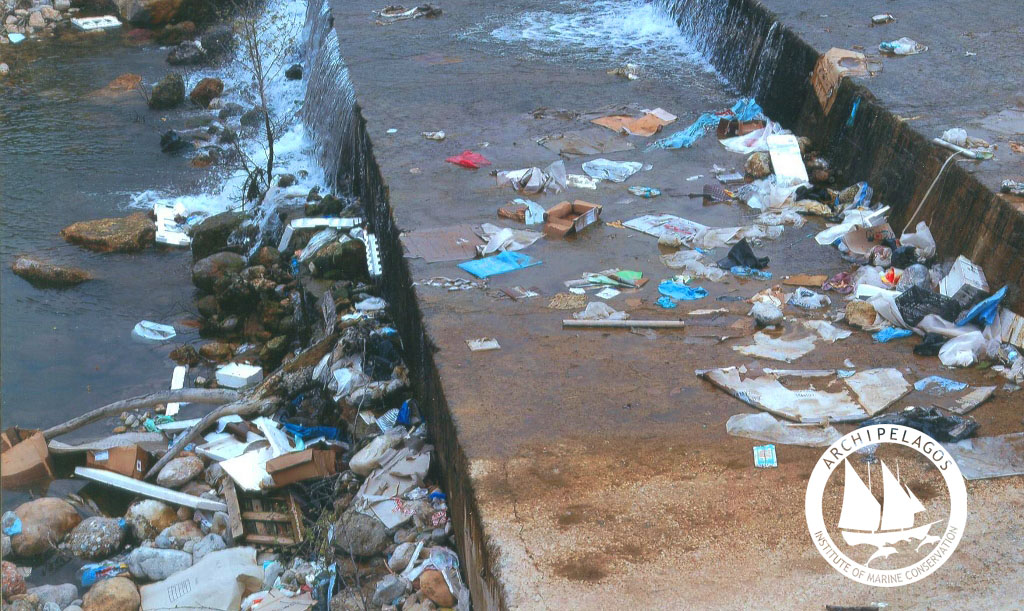
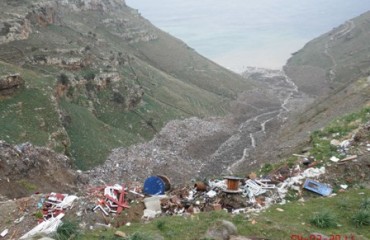
The first autumn rains initiated a destructive journey of tons of plastic and other debris, which had mostly been accumulating on the roadsides throughout Greece, towards the sea. For many months, this garbage was “waiting” for the local authorities or communities to act, for their collection, with no response!

It is unfortunate to see such a large part of the public impassively contributing to the great presence of waste via their everyday life. Only a few are aware that plastic is highly dangerous as it degrades into our environment.

Until recently it was widely believed that plastic requires hundreds of years to break down, and this led many people to quietly let the problem roll over to our future generations by simply not taking any action.

The vicious circle of plastic is especially alarming. Recent research conducted in Greece, and worldwide, have demonstrated how inaccurate the belief of how slow the rate of plastic breakdown truly is.

For example, when common types of plastic (such as bags or water bottles) are discharged into the environment, it can take only a few months of UV radiation, salt, and wave-effect to break them into small fragments, which later become microscopic fibers.

Also, it has to be noted that one of the most dangerous products of plastic widely used in recent years is the so-called “biodegradable” bags. Their widespread use is a scandal, as the material is not actually “biodegradeable”, nor recyclable, it just degrades faster due to the effect of a chemical catalyst breaking down the plastic material into smaller pieces, therefore entering our food chain faster.

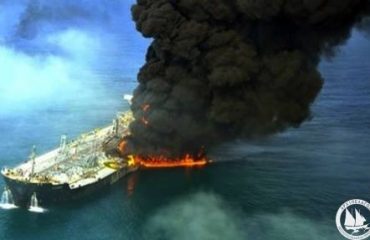
The consequences of this modern form of pollution are particularly devastating for both natural ecosystems and the protected species these support, as well as for human health.

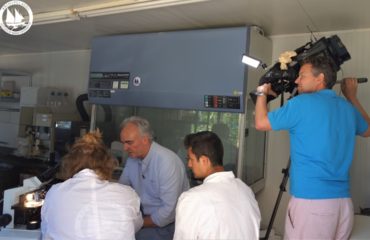
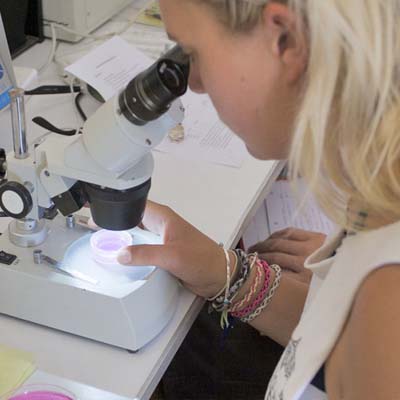
Since 2009, researchers from Archipelagos Institute of Marine Conservation have been carrying out thorough research throughout Greece on the dispersal of microplastic fibers within ecosystems, studying their abundance on coastal sediments, fish, invertebrates, surface waters, etc. Furthermore, we investigate the accurate breakdown rates of different types of plastic in real ecosystem conditions, i.e. in the sea, rivers and coasts.

Archipelagos have already published relevant scientific papers, in collaboration with researchers from Swansea University, which highlights the extent of the problem in the Greek seas.

Unfortunately, in uninhabited areas of the Aegean, we found concentrations of microplastic fibres which are equivalent to those of the coastal areas of Athens.

Our goal is the study of this vicious circle of plastic pollution and to determine the way this impacts the rich biodiversity of the Greek seas, as well as human health.

At the same time we are making unremitting efforts to address the problem by raising the awareness of both the authorities and the wider public.

This effort does not have sufficient support. Despite the concern and mobilization of some local authorities and communities, many still view the Greek territory as an open dump. This is easily proven by the images of scattered waste in all local and national roads, for which, no one seems to care.

This problem is caused not only by all those who pollute the ecosystems, but also by all those who tolerate the situation as inactive spectators.

Another worrying aspect is that all marine organisms we have analysed, which include fish and marine invertebrates, were found to contain microplastic fibers, either in smaller or in greater quantities, inside the stomach.

This, however, should not deter us from eating fish, as it remains one of the most valuable and nutritious food for humans (and usually the stomach which contains the plastic fibers is not consumed).

Undoubtedly, microplastics are a rapidly growing threat, without geographical boundaries, as the dispersion of tiny fibers increasing in all oceans and seas worldwide.

The most effective action would be to completely ban the use of plastics. However, realistically, this method cannot be applied as it encounters conflicting interests.

Until then, however, it is our obligation to manage plastic as a dangerous and irrecoverable material (from the time of its breakdown), which should be recycled and in any case never be released into the environment.
0
0
0
0
0

What you can read next

Presentation of the Archipelagos’ research teams work to the Governor of Samos, Mr Katrakazos and the TV
Videos reveal the secrets of the Eleonora’s falcon
THALATTA 2014 conference in Santorini

HIGHLIGHTS

  • International Visitors at the Aegean Marine Life Sanctuary Project

    International Visitors at the Aegean Marine Life Sanctuary Project

    1 June 2021
    At Archipelagos Institute of Marine Conservation an important visit took …
  • The Efkranti Award was Granted to the Archipelagos Institute of Marine Conservation

    The Efkranti Award was Granted to the Archipelagos Institute of Marine Conservation

    27 July 2020
    It was a great honor but also great moral support …
  • The President of the Hellenic Republic’s visit to Archipelagos research vessel, the Aegean Explorer

    The President of the Hellenic Republic’s visit to Archipelagos research vessel, the Aegean Explorer

    30 June 2020
    Yesterday, during the President of the Republic’s visit to the …
  • Award to Archipelagos: Best Heroic Act of Environmental Stewardship

    Award to Archipelagos: Best Heroic Act of Environmental Stewardship

    19 February 2020
    The Short Documentary Film presenting the Aegean Marine Life Sanctuary, …
  • Award to Archipelagos Institute from the International Propeller Club of the United States

    Award to Archipelagos Institute from the International Propeller Club of the United States

    6 February 2020
    We would like to thank the International Propeller Club of …

Recent Posts

  • Photo-ID & Behavioral Assessments of Delphinus delphis in the Northern Aegean Sea

    Photo-ID & Behavioral Assessments of Delphinus delphis in the Northern Aegean Sea

    2 November 2023
    Yasas! Intern Alannah from the Marine Mammal Field here, currently …
  • Experiences After Work at Archipelagos

    Experiences After Work at Archipelagos

    2 November 2023
    Hi, I’m Ella and I completed a 6-week internship on …
  • Hands-on Projects with the Marine Mammal Research & Conservation Team

    Hands-on Projects with the Marine Mammal Research & Conservation Team

    2 November 2023
    My name is Sjoerd and I am in the last …
  • Planting Underwater Gardens of Posidonia seagrass- a new innovative planting process

    Planting Underwater Gardens of Posidonia seagrass- a new innovative planting process

    29 June 2023
    An innovative process of planting underwater gardens of Posidonia oceanica …
  • A special three-day research expedition to the Ikaria Trench

    A special three-day research expedition to the Ikaria Trench

    19 May 2023
    Archipelagos Marine Mammal Research team took part in a very …
  • Aegean Islet Conservation Project in cooperation with the University of Toronto’s Faculty of Architecture

    Aegean Islet Conservation Project in cooperation with the University of Toronto’s Faculty of Architecture

    17 May 2023
    A new cycle of interdisciplinary on-site research of the Aegean …
  • Mutilated Striped Dolphin Stranded on the shores of Samos Island

    Mutilated Striped Dolphin Stranded on the shores of Samos Island

    12 May 2023
    A mutilated striped dolphin was found stranded on the north …

Subscribe to Our Newsletter

Archipelagos Institute of Marine Conservation is committed to researching and defending the biodiversity of the Greek seas and islands.

Our action is possible only with your help!

donate
  • Contact us
  • Placements

Archipelagos - Institute of Marine Conservation © All Rights Reserved || Developed Fekas Brothers

TOP