


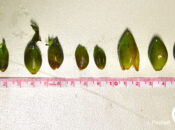
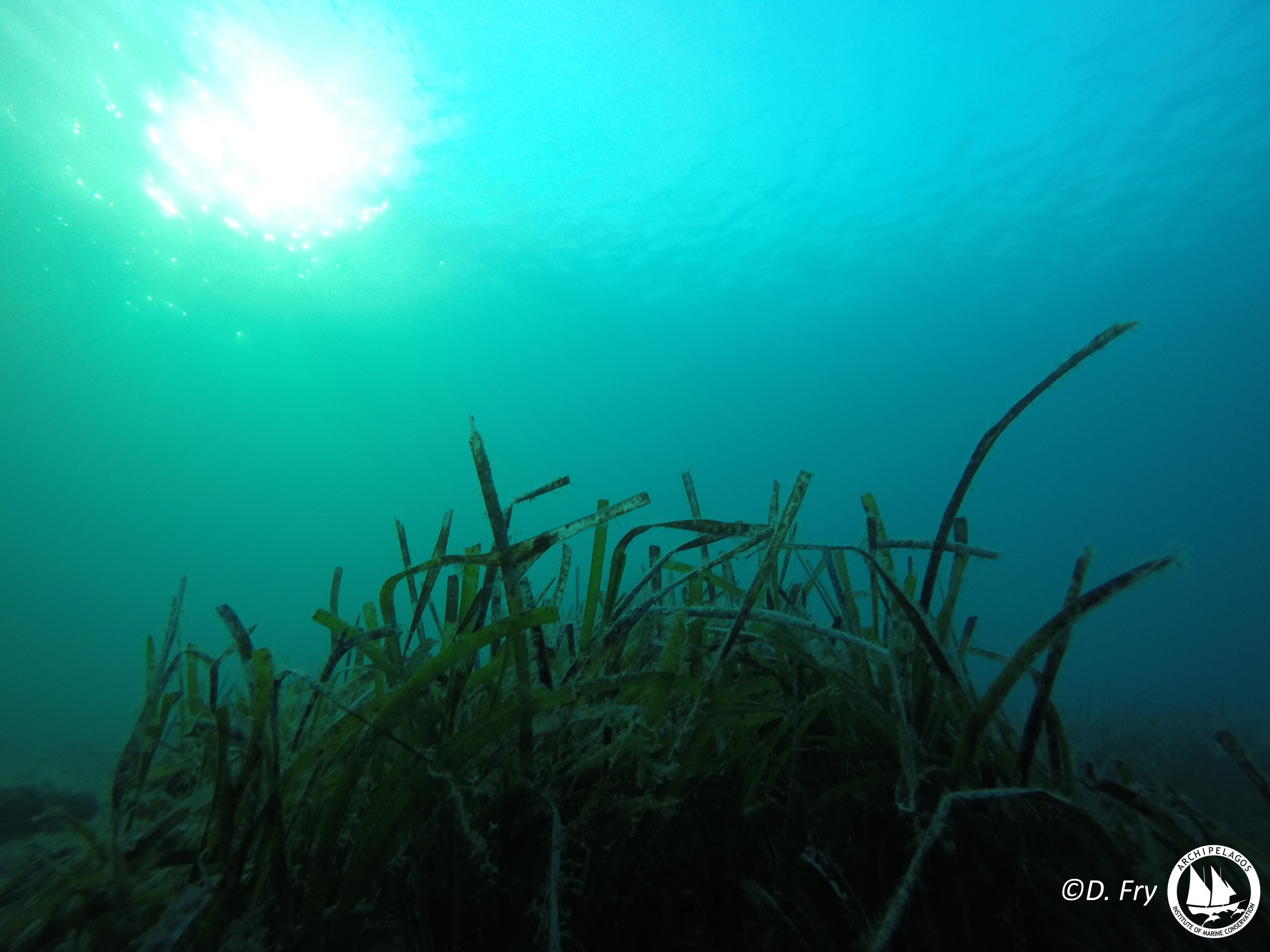
Posidonia oceanica meadows are one of the most valuable ecosystems of the Mediterranean Sea.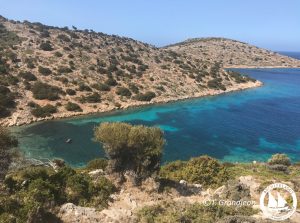 Climate change, fishing activities and anthropogenic influences threaten the survival of these meadows. Since the 20th century, 30% of the seagrass meadows have disappeared. Therefore, there is an increasingly pressing need to map the current extent of the seagrass cover. The most recent statistics show that 54% of the Mediterranean coastal waters have been mapped, of which 48% are covered with P. oceanica. Neighbouring countries which include France, Italy and Spain have almost completely mapped their coastal waters while Greece mapped a staggering 8% of the coastal waters. In response to this, scientists and international policymakers have called for the Mediterranean countries to increase their seagrass mapping efforts. In doing so, policymakers would be able to design effective conservation and management plans. At the moment, the GIS-team at Archipelagos Institute is striving to answer to this urgent call by mapping the current extent of seagrass evident in the southeast Aegean sea using publicly available multispectral satellite data.
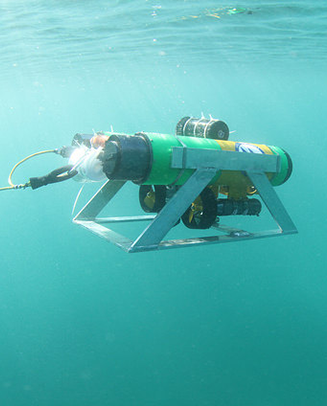
The team implemented already established methods with high-resolution imagery from Sentinel 2 in order to produce site-specific seagrass maps. 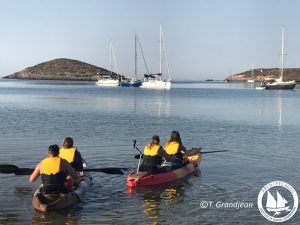 In order to supplement the existing techniques, the team also pioneered the use of sonar as a form of ground-truthing in this region. Traditionally, only satellite imageries are utilised in other areas of the Mediterranean (Croatia, France and northern Greek). These adjustments are made to enhance the published methods: if successful, they would be more cost effective, time saving and possess a higher classification quality.
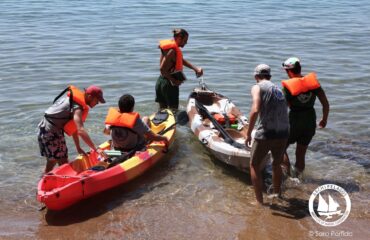
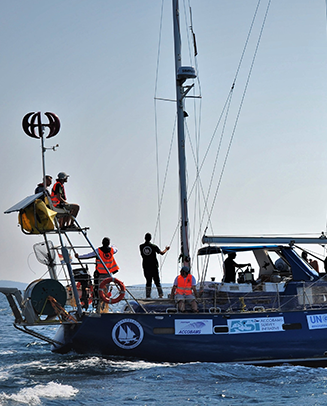
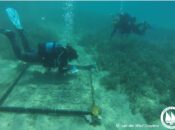
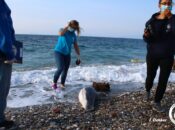
The GIS-team carried out their work with kayak, boat and field surveys around the islands of Lipsi and Samos. This field data will then be used in conjunction with the improved tools and algorithms in order to produce the final maps. With the preliminary results being promising, it is hopeful that the first high-resolution seagrass meadow maps will be produced soon for the southeast Aegean Sea.
These new seagrass maps will have a resolution that is 10000 times better compared to that currently available by the government. With more detailed and extensive seagrass maps, we hope that they serve as impetus to severely improve conservation and management plans of the region’s seagrass meadows.
Tim Grandjean, University of Amsterdam (Netherlands), Vinita Ganesh, University of Edinburgh (Malaysia) & Renata Hriczko (Hungary)