Archipelagos

  • English
  • Ελληνικα
Who We Are
The TeamThe Team
Research BasesResearch Bases
Research BoatsResearch Boats
Our EquipmentOur Equipment
PartnersPartners
SupportersSupporters
Fields of Action
Marine ConservationMarine Conservation Fisheries Shipping Risks Seagrass Meadows Coralligene Conservation Littoral Ecosystems Invasive Species Jellyfish Sea Turtles
Marine MammalsMarine Mammals Dolphins and Porpoises Whales Seals
Terrestrial ConservationTerrestrial Conservation Island Fauna Forests & Flora Freshwater Ecosystems Aegean Seed Bank
Laboratory ResearchLaboratory Research Microplastics Water Analysis Soil Quality
Projects
Aegean Marine Life Sanctuary
Eco-Navigation
FIsh4Life
Save the Aegean
Join Us
Internships in the Aegean
Remote Internships
Interns Experiences
Field Courses
News
Planting Underwater Gardens of Posidonia seagrass- a new innovative planting process
Aegean Islet Conservation Project in cooperation with the University of Toronto’s Faculty of Architecture
Mutilated Striped Dolphin Stranded on the shores of Samos Island
Posidonia Seagrass Fruits Wash up on Our Shores – A Rare Phenomenon
View All...
Contact us
Publications
Videos
Awareness Material
Donate
Menu

Quantifying Macroplastic Accumulation

Quantifying Macroplastic Accumulation

by Kleopatra Delaveri / Saturday, 10 March 2018 / Published in Intern Experience, Microplastic Team, Work Journal

One of the projects of Archipelagos marine conservation team is the study and assessment of the litter that is accumulating on coastal zones, waterways and wildlife areas here on Samos and Lipsi islands. This litter has the potential to cause many fatalities both on land in the marine environment. Macroplastics are plastic pieces larger than 5mm and are the most abundant marine debris.
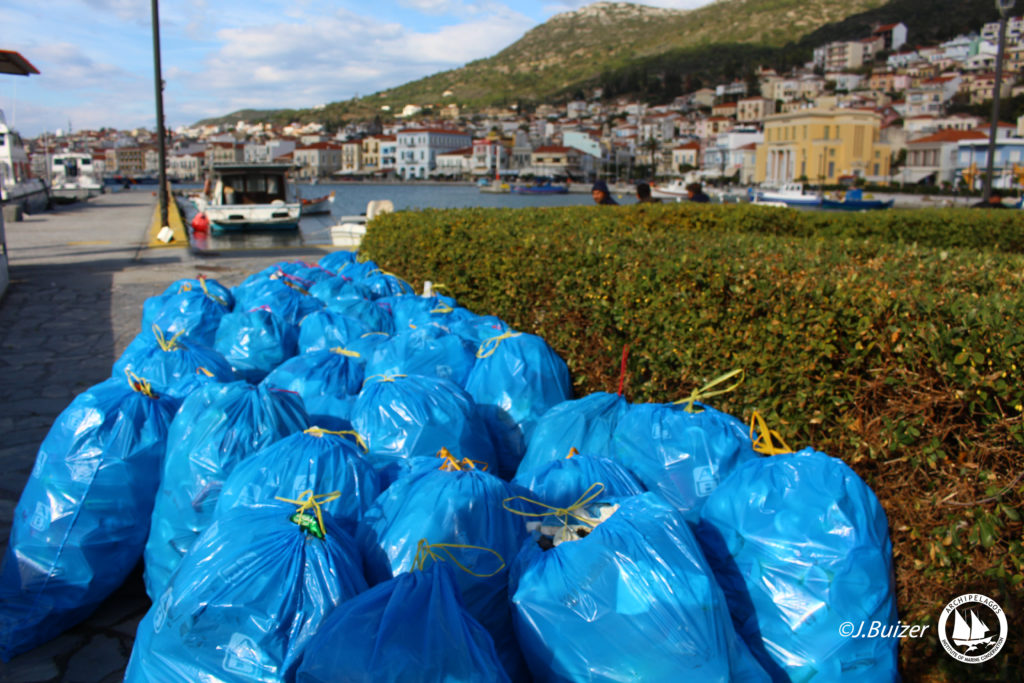
Figure 1 port clean up in Vathi

A long-term monitoring survey that we carry out daily since June 2017 assesses the macroplastic load in two beaches, where every working day we litter pick and analyze what we find, separating it into the differing litter categories and subsequently photographing and weighing it. From this, we can quantify the load of different types of debris over time and in relation to sea conditions.
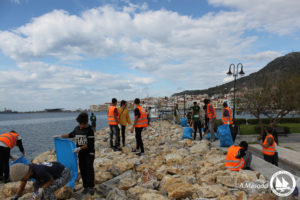
Figure 2 port clean up in Vathi


We also collect and record rubbish from river ways before the rainy season begun in an attempt to stop rubbish from the land being washed into the seas. Specific beaches and wetland areas have also been litter picked due to the environmental impact the litter can have on wetland species located close by, specifically the birds that live there. Birds are renowned for mistaking plastic items, particularly bottle caps, for food. They die of poisoning due to the toxic chemicals found in the plastics, choking or a phenomenon called ‘false satiation’ which is when the bird’s stomach fills with indigestible plastics so the bird thinks it is full, stops eating and eventually dies of starvation. Marine life, such as turtles, dolphins and large fish species, can get tangled in floating litter and either drown or starve to death – this is known as ghost fishing when discarded fishing nets are the cause.

So far we have removed over 25,000 pieces of litter from the islands beaches and rivers since June 2017!
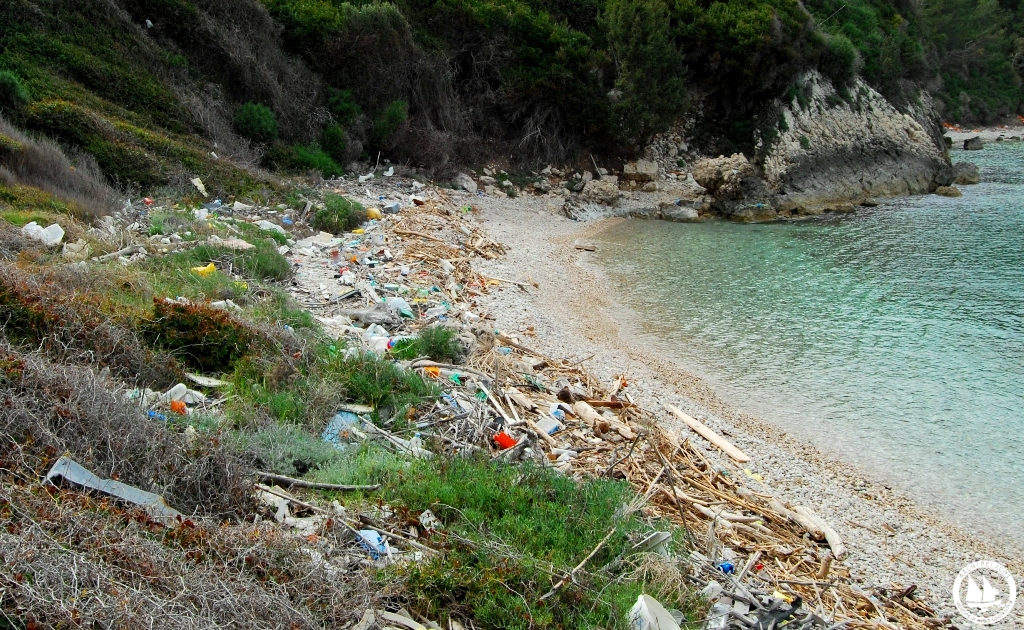
Figure 3. litter washed on the beach
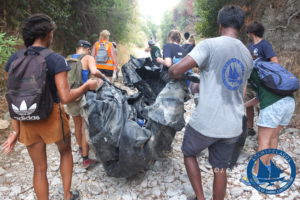
Figure 4. clean-up by Archipelagos members.

On one of the local sandy beaches, we collected litter from just five strips of sand, from the waters edge to the back of the beach and managed to find 7,251 pieces of litter. Contrary to our usual collections, the majority of these were microplastics, pieces smaller than 5mm. Some of these were pieces of containers that had broken into hundreds of smaller pieces but we also found a large amount of resin pellets.

These resin pellets can be mistaken for small weathered rocks but are in fact the raw material that plastic is made from. They are melted down and mixed with additives, preservatives and other chemicals to give the new plastic item different colors, textures and strengths. They come from resin pellet factories where they are accidentally washed into drains or escape through other means, or they are lost during transportation.
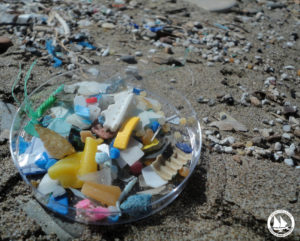
Fig. 5 a petri dish on the sand filled with rubbish for size comparison.

We will continue to analyze the litter from beaches in a long-term study to identify the effect that tourists, weather and other factors may have upon beach debris. Also, we are about to commence a new educational programme to attempt to reduce plastic pollution from the source and encourage local communities to take responsibility and care for their beautiful islands.

Harriet Moore

BSc. (H) in Animal Biology

Nottingham Trent University

0
0
0
0
0

What you can read next

Remote program – preliminarily start analysing social organization and site fidelity of the Common Dolphin (Delphinus delphis) population
GIS Mapping as a Key Tool in Marine Conservation
Scouts Visit at Archipelagos Institute

HIGHLIGHTS

  • International Visitors at the Aegean Marine Life Sanctuary Project

    International Visitors at the Aegean Marine Life Sanctuary Project

    1 June 2021
    At Archipelagos Institute of Marine Conservation an important visit took …
  • The Efkranti Award was Granted to the Archipelagos Institute of Marine Conservation

    The Efkranti Award was Granted to the Archipelagos Institute of Marine Conservation

    27 July 2020
    It was a great honor but also great moral support …
  • The President of the Hellenic Republic’s visit to Archipelagos research vessel, the Aegean Explorer

    The President of the Hellenic Republic’s visit to Archipelagos research vessel, the Aegean Explorer

    30 June 2020
    Yesterday, during the President of the Republic’s visit to the …
  • Award to Archipelagos: Best Heroic Act of Environmental Stewardship

    Award to Archipelagos: Best Heroic Act of Environmental Stewardship

    19 February 2020
    The Short Documentary Film presenting the Aegean Marine Life Sanctuary, …
  • Award to Archipelagos Institute from the International Propeller Club of the United States

    Award to Archipelagos Institute from the International Propeller Club of the United States

    6 February 2020
    We would like to thank the International Propeller Club of …

Recent Posts

  • Photo-ID & Behavioral Assessments of Delphinus delphis in the Northern Aegean Sea

    Photo-ID & Behavioral Assessments of Delphinus delphis in the Northern Aegean Sea

    2 November 2023
    Yasas! Intern Alannah from the Marine Mammal Field here, currently …
  • Experiences After Work at Archipelagos

    Experiences After Work at Archipelagos

    2 November 2023
    Hi, I’m Ella and I completed a 6-week internship on …
  • Hands-on Projects with the Marine Mammal Research & Conservation Team

    Hands-on Projects with the Marine Mammal Research & Conservation Team

    2 November 2023
    My name is Sjoerd and I am in the last …
  • Planting Underwater Gardens of Posidonia seagrass- a new innovative planting process

    Planting Underwater Gardens of Posidonia seagrass- a new innovative planting process

    29 June 2023
    An innovative process of planting underwater gardens of Posidonia oceanica …
  • A special three-day research expedition to the Ikaria Trench

    A special three-day research expedition to the Ikaria Trench

    19 May 2023
    Archipelagos Marine Mammal Research team took part in a very …
  • Aegean Islet Conservation Project in cooperation with the University of Toronto’s Faculty of Architecture

    Aegean Islet Conservation Project in cooperation with the University of Toronto’s Faculty of Architecture

    17 May 2023
    A new cycle of interdisciplinary on-site research of the Aegean …
  • Mutilated Striped Dolphin Stranded on the shores of Samos Island

    Mutilated Striped Dolphin Stranded on the shores of Samos Island

    12 May 2023
    A mutilated striped dolphin was found stranded on the north …

Subscribe to Our Newsletter

Archipelagos Institute of Marine Conservation is committed to researching and defending the biodiversity of the Greek seas and islands.

Our action is possible only with your help!

donate
  • Contact us
  • Placements

Archipelagos - Institute of Marine Conservation © All Rights Reserved || Developed Fekas Brothers

TOP