
Archipelagos

  • English
  • Ελληνικα
Who We Are
The TeamThe Team
Research BasesResearch Bases
Research BoatsResearch Boats
Our EquipmentOur Equipment
PartnersPartners
SupportersSupporters
Fields of Action
Marine ConservationMarine Conservation Fisheries Shipping Risks Seagrass Meadows Coralligene Conservation Littoral Ecosystems Invasive Species Jellyfish Sea Turtles
Marine MammalsMarine Mammals Dolphins and Porpoises Whales Seals
Terrestrial ConservationTerrestrial Conservation Island Fauna Forests & Flora Freshwater Ecosystems Aegean Seed Bank
Laboratory ResearchLaboratory Research Microplastics Water Analysis Soil Quality
Projects
Aegean Marine Life Sanctuary
Eco-Navigation
FIsh4Life
Save the Aegean
Join Us
Internships in the Aegean
Remote Internships
Interns Experiences
Field Courses
News
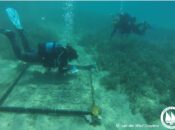
Planting Underwater Gardens of Posidonia seagrass- a new innovative planting process
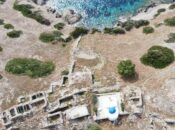
Aegean Islet Conservation Project in cooperation with the University of Toronto’s Faculty of Architecture
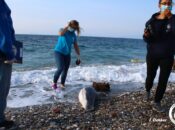
Mutilated Striped Dolphin Stranded on the shores of Samos Island
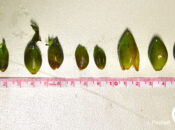
Posidonia Seagrass Fruits Wash up on Our Shores – A Rare Phenomenon
View All...
Contact us
Publications
Videos
Awareness Material
Donate
Menu

Underwater Gardens of Sea Pens

Underwater Gardens of Sea Pens

by Dimitris Fekkas / Sunday, 12 September 2021 / Published in Marine Conservation
The first results of the research expedition, as part of the action “Protecting Aegean Coralligene”, shows very promising results regarding a biodiversity hotspot within these hidden marine habitats!
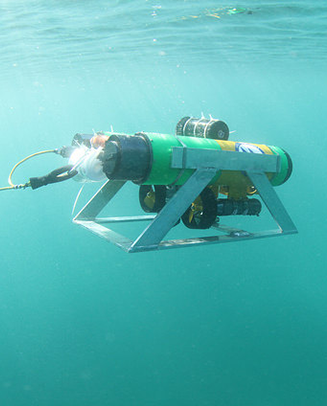
Within only the first 2km of surveys with advanced equipment, such as a remotely operated vehicle (ROV) and sonar, the international team onboard already identified over 250 species of marine flora and fauna in the mesophotic zone (at about 100m depth).
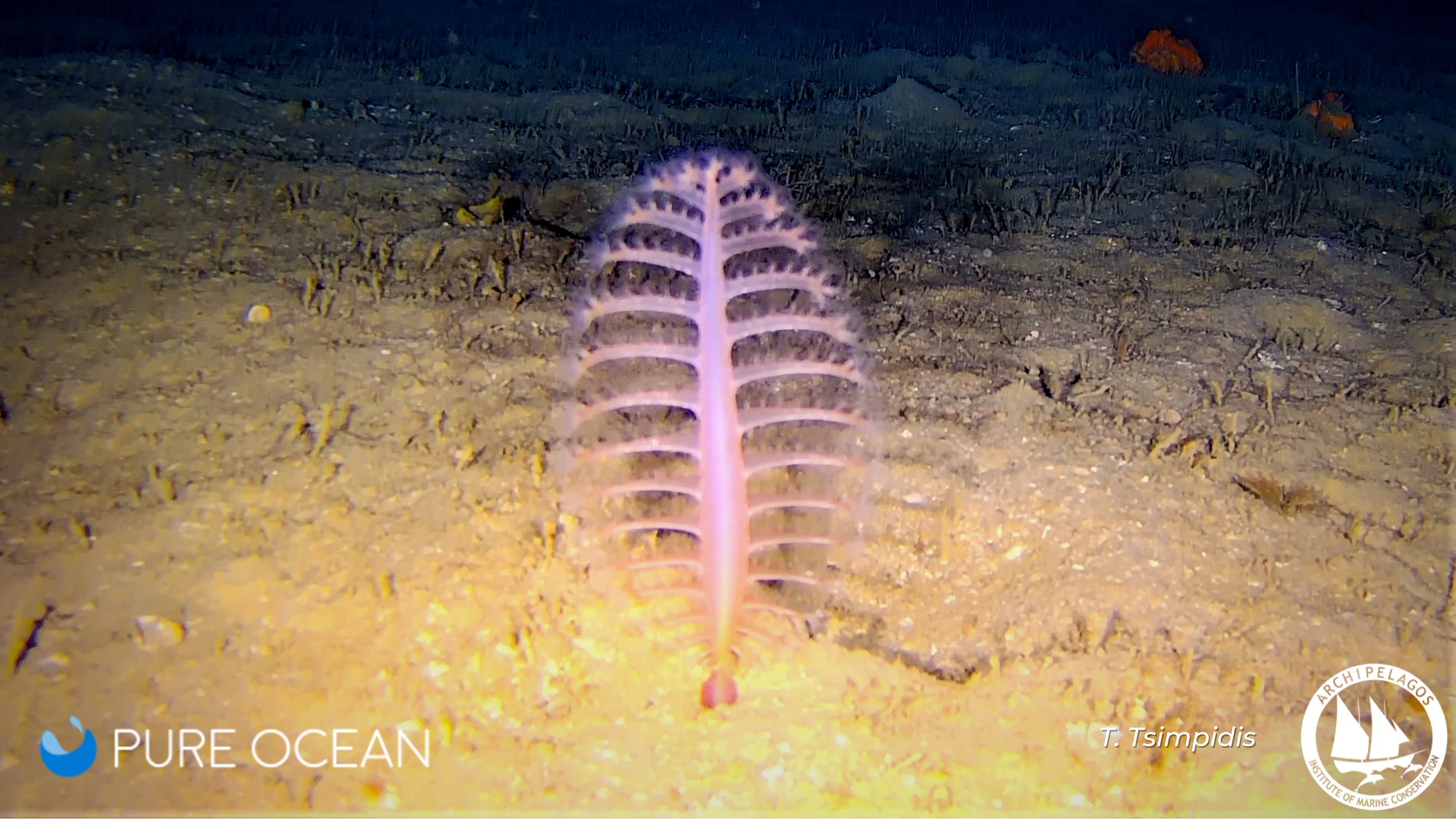
We would like to share with you some images of the “underwater gardens” that consist of a species known as the Phosphorescent sea pen (Pennatula phosphorea). Sea pens are marine invertebrates made up of colonies of very small animals known as polyps, each a few millimeters in size. They belong to the same group as corals, but unlike their relatives, sea pens can “walk” along the seafloor to seek for better feeding grounds. They roll along the substrate until they find the right place to settle down and nail their “inflatable” foot into the sand. By expanding the foot, the colony safely anchors to the ground.
Pennatula phosphorea is listed by the IUCN Red List as a “vulnerable species” with a decreasing population. Their distribution around the Aegean Sea still remains unknown, making them extremely susceptible to bottom trawling and other human impacts.
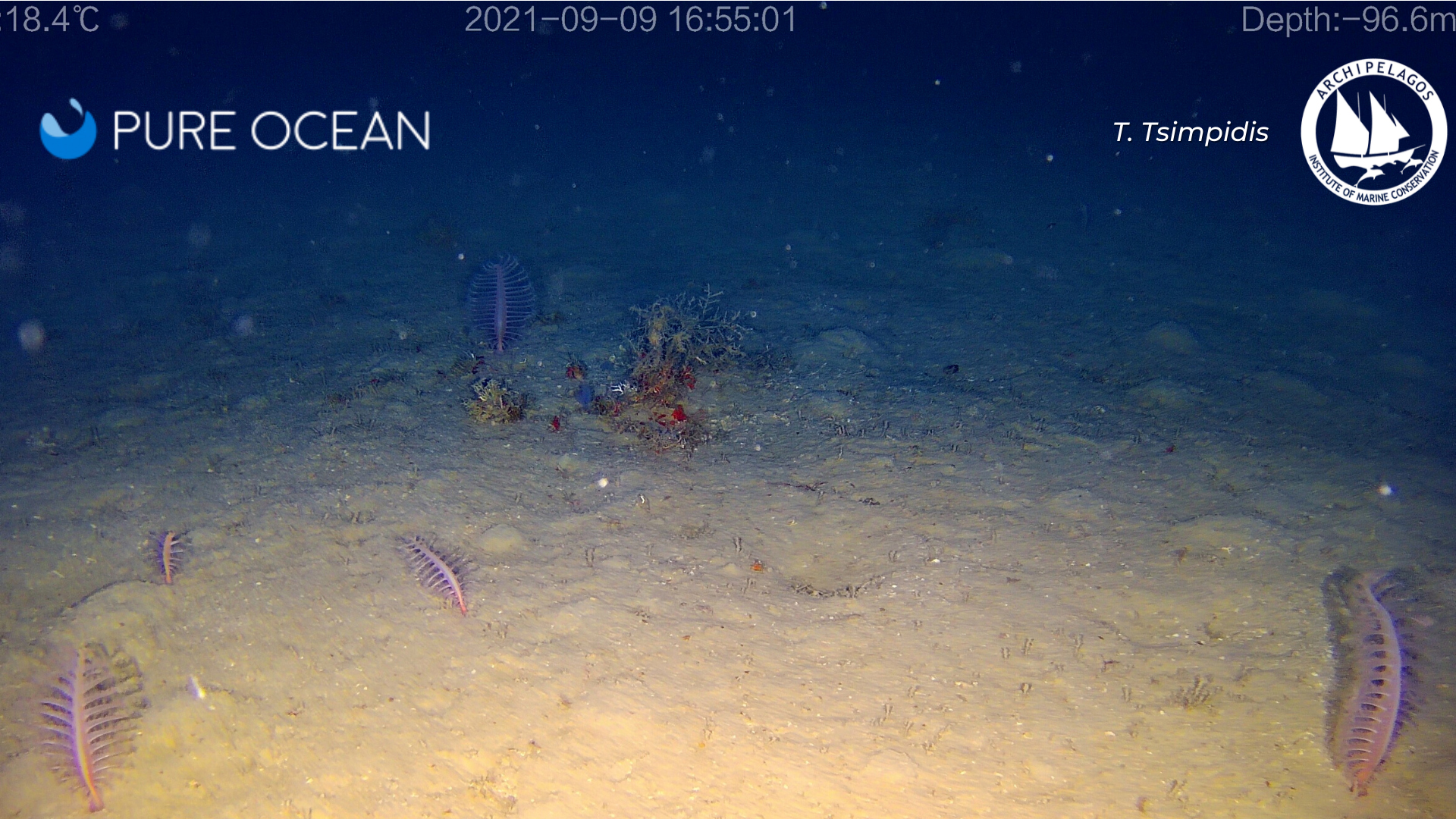
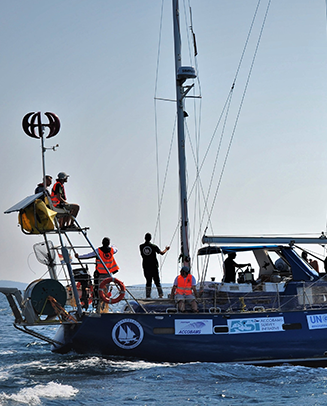
In the framework of the action “Protecting Aegean Coralligenous”, the research expedition is currently ongoing onboard the “Aegean Explorer”. In collaboration between Archipelagos – Institute of Marine Conservation, Oceana, the biology department of the University of Essex, the United Nations Regional Action Center for the Mediterranean (UNEP / MAP – SPA RAC) and the Laboratory of Physical Geography of the National and Kapodistrian University of Athens, with the support of the Pure Ocean Fund, we will continue to map the areas of these valuable habitats in the Aegean Sea and other regions of the NE Mediterranean.
Our ultimate aim is to address the largest threat faced by these important habitats, which are the destructive fisheries by trawlers who can destroy an entire ecosystem in just one pass. This can only be done with the immediate enforcement of the existing legislation, according to which it is prohibited to fish with towed gear (trawlers) in vulnerable and protected marine habitats. With this implemented, the survival of these biodiversity hotspots will be ensured.
0
0
0
0
0

What you can read next

The period of trawling begins. What is the impact on our seas?
Cleaning the Beaches of Samos
Posidonia Seagrass Fruits Wash up on Our Shores – A Rare Phenomenon

HIGHLIGHTS

  • International Visitors at the Aegean Marine Life Sanctuary Project

    International Visitors at the Aegean Marine Life Sanctuary Project

    1 June 2021
    At Archipelagos Institute of Marine Conservation an important visit took …
  • The Efkranti Award was Granted to the Archipelagos Institute of Marine Conservation

    The Efkranti Award was Granted to the Archipelagos Institute of Marine Conservation

    27 July 2020
    It was a great honor but also great moral support …
  • The President of the Hellenic Republic’s visit to Archipelagos research vessel, the Aegean Explorer

    The President of the Hellenic Republic’s visit to Archipelagos research vessel, the Aegean Explorer

    30 June 2020
    Yesterday, during the President of the Republic’s visit to the …
  • Award to Archipelagos: Best Heroic Act of Environmental Stewardship

    Award to Archipelagos: Best Heroic Act of Environmental Stewardship

    19 February 2020
    The Short Documentary Film presenting the Aegean Marine Life Sanctuary, …
  • Award to Archipelagos Institute from the International Propeller Club of the United States

    Award to Archipelagos Institute from the International Propeller Club of the United States

    6 February 2020
    We would like to thank the International Propeller Club of …

Recent Posts

  • Photo-ID & Behavioral Assessments of Delphinus delphis in the Northern Aegean Sea

    Photo-ID & Behavioral Assessments of Delphinus delphis in the Northern Aegean Sea

    2 November 2023
    Yasas! Intern Alannah from the Marine Mammal Field here, currently …
  • Experiences After Work at Archipelagos

    Experiences After Work at Archipelagos

    2 November 2023
    Hi, I’m Ella and I completed a 6-week internship on …
  • Hands-on Projects with the Marine Mammal Research & Conservation Team

    Hands-on Projects with the Marine Mammal Research & Conservation Team

    2 November 2023
    My name is Sjoerd and I am in the last …
  • Planting Underwater Gardens of Posidonia seagrass- a new innovative planting process

    Planting Underwater Gardens of Posidonia seagrass- a new innovative planting process

    29 June 2023
    An innovative process of planting underwater gardens of Posidonia oceanica …
  • A special three-day research expedition to the Ikaria Trench

    A special three-day research expedition to the Ikaria Trench

    19 May 2023
    Archipelagos Marine Mammal Research team took part in a very …
  • Aegean Islet Conservation Project in cooperation with the University of Toronto’s Faculty of Architecture

    Aegean Islet Conservation Project in cooperation with the University of Toronto’s Faculty of Architecture

    17 May 2023
    A new cycle of interdisciplinary on-site research of the Aegean …
  • Mutilated Striped Dolphin Stranded on the shores of Samos Island

    Mutilated Striped Dolphin Stranded on the shores of Samos Island

    12 May 2023
    A mutilated striped dolphin was found stranded on the north …

Subscribe to Our Newsletter

Archipelagos Institute of Marine Conservation is committed to researching and defending the biodiversity of the Greek seas and islands.

Our action is possible only with your help!

donate
  • Contact us
  • Placements

Archipelagos - Institute of Marine Conservation © All Rights Reserved || Developed Fekas Brothers

TOP