


Eco-Navigation: Our Citizen Science Platform
Monday, 02 July 2018
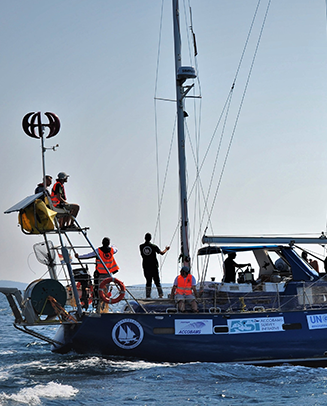
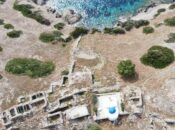
The Aegean Sea hosts some of the most important remaining marine mammal and sea turtle populations in the Mediterranean. Thanks to their unique biodiversity and pristine waters, the islands attract many sea enthusiasts all year long, especially during the summer season. Bad encounters between boats and mammals are common and can have disastrous consequences for animals.
- Published in Intern Experience, Marine Conservation Team, Marine Mammal Team, Work Journal
Dolphin Communication vs. Noise Pollution in the Aegean Sea
Monday, 02 July 2018
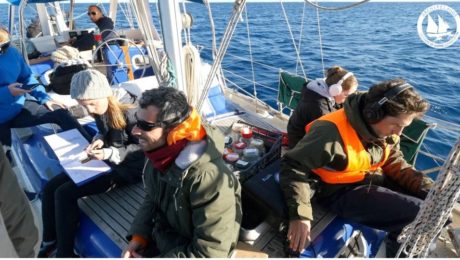
“Noise pollution” in the marine environment has been an increasing concern for conservationists and marine researchers in the past decades. Underwater sounds caused by ships have no impact on humans, however, they may have severe effects on marine life, especially marine mammals. Engine noise from boats increases with size, power, load and speed. It
- Published in Intern Experience, Marine Mammal Team, Work Journal
Behavioral Study of Cetaceans in the Aegean
Friday, 29 June 2018
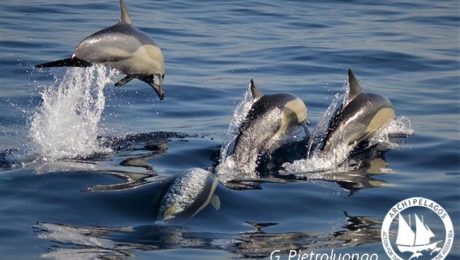
Although people have long been fascinated by the behaviour of animals, the formal discipline of animal behaviour–ethology–is actually relatively new, dating to the work of Konrad Lorenz in Austria in the 1930s. The application of ethological principles and methods to the study of animal welfare is even newer. Behavioural data can offer insight into the
- Published in Intern Experience, Marine Mammal Team, Work Journal
Preliminary Assessment of Insect Biodiversity of Samos Island
Friday, 29 June 2018
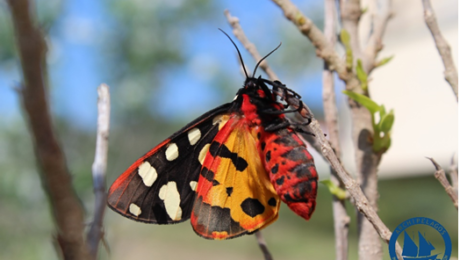
When it comes to insects many people often inadvertently recoil away in disgust or terror, thinking only of their legs as creepy or their eyes as beady. But what not many people realise is that insects perform many important roles not only in regards to natural ecosystems but also to our society as a whole.
- Published in Intern Experience, Terrestrial Conservation Team, Work Journal
Experimental Design and Assessment of Artificial Reefs
Monday, 04 June 2018
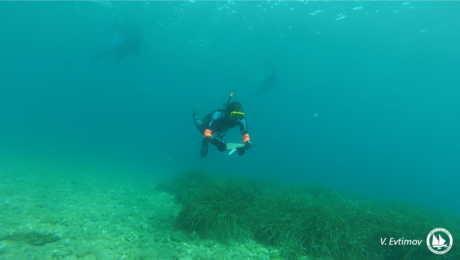
What is an artificial reef and why are we developing and using one? The artificial reef project has been ongoing since March 2017. It is a long-term project with the aim to successfully create reefs that increase biodiversity in the surrounding waters. The project is still in its experimental stage, but the long-term aim is
- Published in Intern Experience, Marine Conservation Team, Work Journal
How eDNA is helping to Cast Light on the Noble Pen Shell
Monday, 04 June 2018
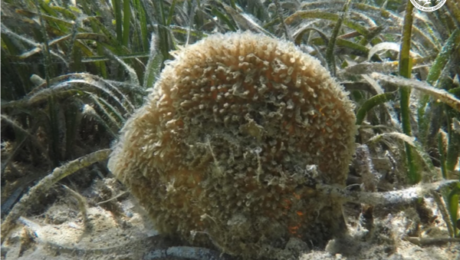
Have you ever stood on the shoreline, with waves lapping back and forth and allowed your mind to dive down into the mysterious world that lies beneath the waves? What creatures prowl the depth in search of their next meal? Dolphins, Sharks, Giant squid? What if I tell you that this mystery can be solved
- Published in Intern Experience, Marine Conservation Team, Work Journal
Chameleon Project of the Terrestrial Team
Sunday, 03 June 2018
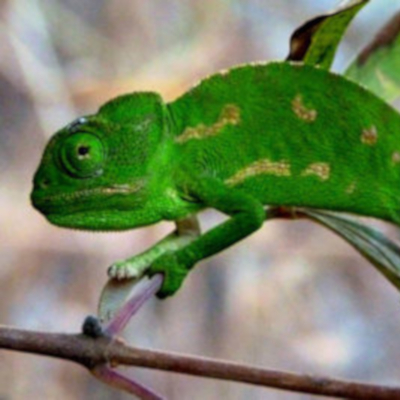
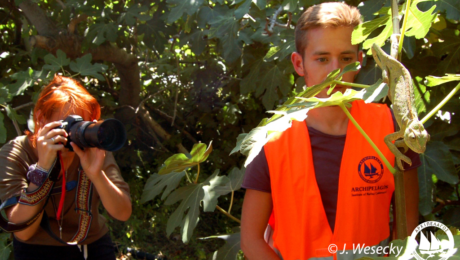
In time for spring, Archipelagos’ terrestrial team has started chameleon surveys. The common chameleon (Chamaeleo chamaeleon) becomes active around April – May when it wakes up from its torpor and climbs up from underneath the ground. From there it will find a bush, tree, or other sturdy vegetation for its roost. On Samos, Chamaeleo chamaeleon appears in
- Published in Intern Experience, Terrestrial Conservation Team, Work Journal
Bird Monitoring on Samos & Lipsi Island
Friday, 01 June 2018
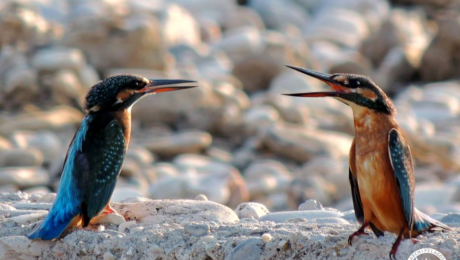
The Terrestrial team of Archipelagos is continuing its monitoring of Aliki Psili Ammos (Natura 2000), which includes several other wetlands and ponds including Mesokampos marsh and Glyfada ponds. A recent visit to the island of Lipsi also allowed for surveying of Vroulia Bay (Birds Directive Site) for two weeks. These areas are key for migratory
- Published in Intern Experience, Terrestrial Conservation Team, Work Journal
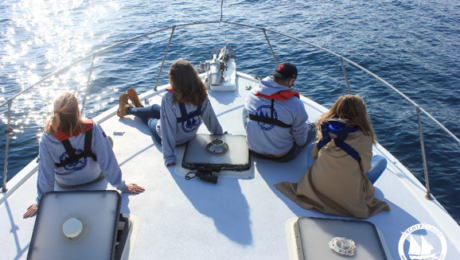
Photo-Identifying the Cetaceans of the Eastern Aegean Sea
Thursday, 10 May 2018
The Aegean Sea supports some of the most important remaining marine mammal populations in the Mediterranean. Archipelagos´ marine mammal research team monitors year round through regular boat surveys the populations of Common Bottlenose dolphin (Tursiops truncatus), Short-beaked Common dolphin (Delphinus delphis), Stripped dolphin (Stenella coeruleoalba), Risso’s dolphin (Grampus griseus) and Sperm Whale (Physeter macrocephalus). Photo
- Published in Intern Experience, Marine Mammal Team, Work Journal
Vegetation Surveys of Samos and Lipsi
Thursday, 10 May 2018
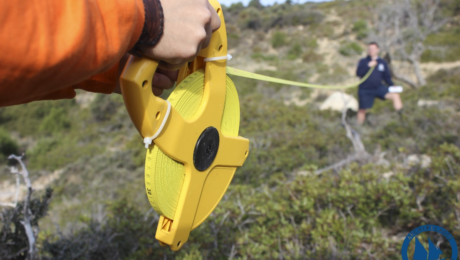
The Archipelagos Terrestrial Conservation Team has been conducting surveys on both Samos and Lipsi to identify and monitor what plant life is in specific habitats across the islands. The main aim of this research is to understand the biodiversity of the areas and to identify any endangered species, filling in this way important knowledge gaps
- Published in Intern Experience, Terrestrial Conservation Team, Work Journal
Assessing the Microplastic Fiber Content in Stranded Dolphins
Thursday, 10 May 2018
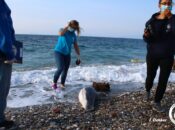
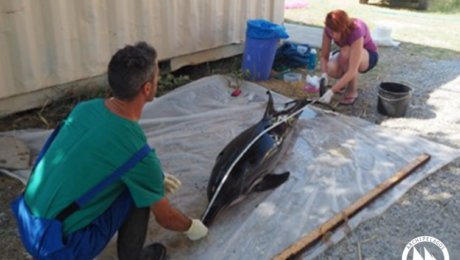
Dolphins might be one of the most charismatic animals that plough through the oceans and seas. In general, they are social animals that enjoy living in pods. These marine mammals are considered one of the most intelligent species on the planet. Although they are mainly piscivores, their diet varies between species, feeding on fish, cephalopods
- Published in Intern Experience, Marine Mammal Team, Microplastic Team, Work Journal
Common Dolphin (D. delphis) Bioacoustics Project
Thursday, 15 March 2018
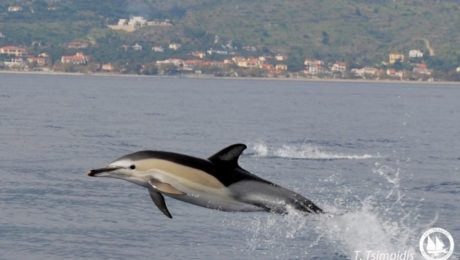
Common dolphin (D. delphis) bioacoustics project – a study about vocalization and sociality of the common dolphin population in the Aegean Sea, February-March 2018. Common dolphins often live in pods consisting of around 12-20 individuals in the Mediterranean Sea (Murphy et al., 2008). The population of this particular species has been declining at an alarming
- Published in Intern Experience, Marine Mammal Team, Work Journal
Changing Biodiversity of Invertebrate Populations
Thursday, 15 March 2018
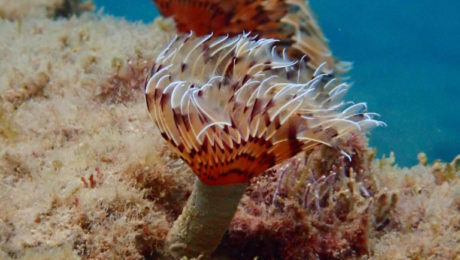
Mankind is having a major impact on every ecosystem on earth. From the very tops of the tallest peaks to the deepest abysses in our oceans, the world is changing, and how we measure these impacts, is also changing. Bioindicator species are helping us understand how we have affected our world and can even
- Published in Intern Experience, Marine Conservation Team, Work Journal
Microplastics in Edible Fish and Invertebrates
Thursday, 15 March 2018
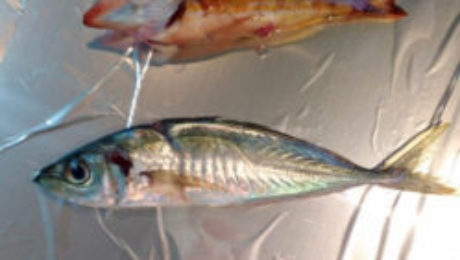
Microplastics content found in edible fish and invertebrate species of the Eastern Aegean Sea, February 2018 The increasing abundance of marine plastic debris is a worldwide issue and it represents a critical threat in areas such as the Mediterranean Sea. Many studies so far already documented the negative effects of this global issue on marine
- Published in Intern Experience, Marine Conservation Team, Microplastic Team, Work Journal
Quantifying Macroplastic Accumulation
Saturday, 10 March 2018
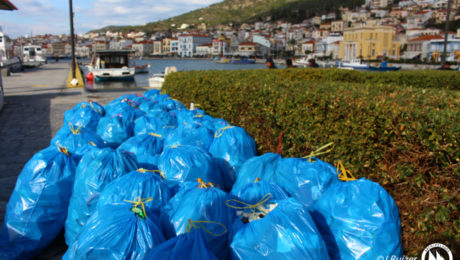
One of the projects of Archipelagos marine conservation team is the study and assessment of the litter that is accumulating on coastal zones, waterways and wildlife areas here on Samos and Lipsi islands. This litter has the potential to cause many fatalities both on land in the marine environment. Macroplastics are plastic pieces larger than
- Published in Intern Experience, Microplastic Team, Work Journal
Abundance and Distribution of Echinoderms Throughout the Island of Samos
Tuesday, 30 January 2018
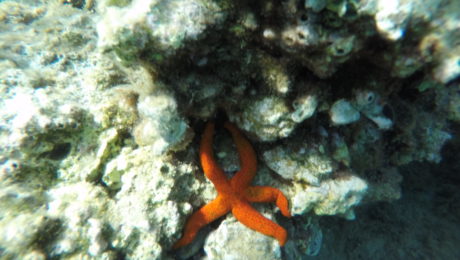
Echinoderms play an important role in marine, benthic ecosystems. They can be both carnivorous or, most importantly, grazers. The grazing of sea urchins specifically reduces the rate of colonization on bare rocks by settling organisms. This keeps algae in check, thereby enhancing the biodiversity of coral reefs. Despite that, echinoderms sometimes have large population swings
- Published in Intern Experience, Marine Conservation Team, Work Journal
Seagrass mapping in the Aegean Sea
Friday, 12 January 2018
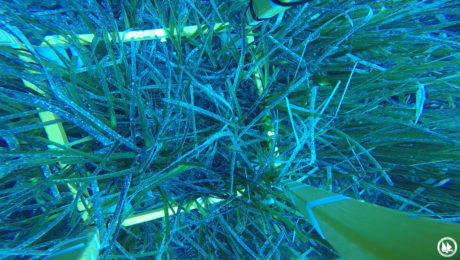
The last half year, the GIS-team was working out a method for seagrass mapping. Global seagrass meadows are under threat. Reduction of water clarity, climate change and dredging destroy meadows at an incredible speed of 1.5% a year. The mapping of the Greek seagrass meadows, especially the specie Posidonia Oceanica, remains behind and counteracts conservation
- Published in GIS Team, Intern Experience, Work Journal
Determining the Ratio of Microplastic in Zooplankton in Surface Waters Surrounding Samos Island
Thursday, 21 December 2017
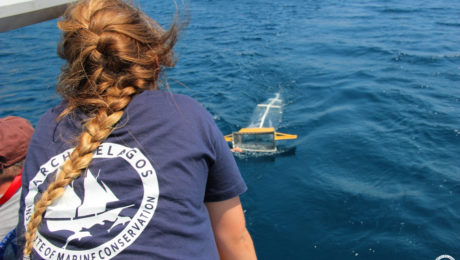
The presence of vast amounts of plastics in our oceans is cause for great concern for our marine wildlife due to their toxicity, persistence and ubiquity. With the production of plastics increasing, these pollutants are entering our oceans and breaking down into microplastics (MPs) at an ever-increasing rate. Microplastics are buoyant fragments of <5mm which
- Published in Intern Experience, Marine Conservation Team, Microplastic Team, Work Journal
Jackals in Samos Airport
Thursday, 07 December 2017
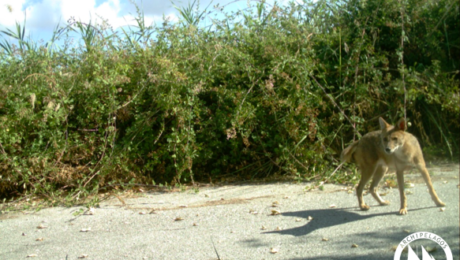
This spring Archipelagos Institute started working with Samos International Airport to establish the population and distribution of the golden jackal (Canis aureus L.) in the airport area. We have been collecting data on the population, home range, activity patterns and use of the airport habitat. This information is used for the exclusion process that aims
- Published in Intern Experience, Terrestrial Conservation Team, Work Journal
Maritime Traffic Impact on Seagrass Vitality and Invertebrate Richness
Thursday, 07 December 2017
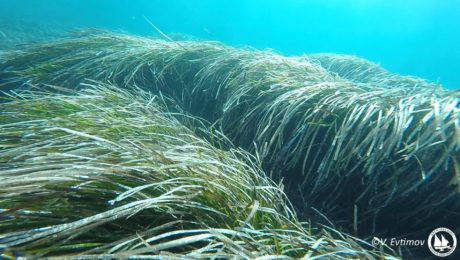
Seagrass plays a vital role in the health of coastal ecosystems all across the world. It is useful in sediment stabilization and carbon storage, and it supports a very diverse set of organisms. The seagrass beds often house commercial invertebrate and fish species, and are therefore not only ecologically important but economically, as well. Seagrasses
- Published in Intern Experience, Marine Conservation Team, Work Journal
Posidonia Oceanica Mapping in the Southeastern Aegean Sea
Monday, 20 November 2017
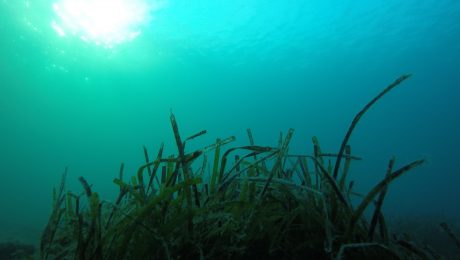
Posidonia oceanica meadows are one of the most valuable ecosystems of the Mediterranean Sea. Climate change, fishing activities and anthropogenic influences threaten the survival of these meadows. Since the 20th century, 30% of the seagrass meadows have disappeared. Therefore, there is an increasingly pressing need to map the current extent of the seagrass cover. The
- Published in GIS Team, Intern Experience, Work Journal
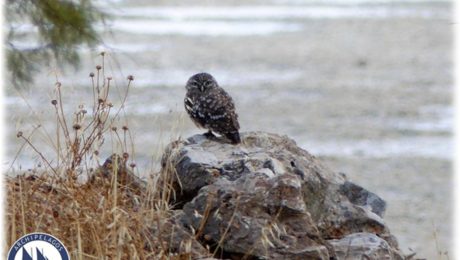
Birds Monitoring in Psili Ammos
Wednesday, 08 November 2017
The Terrestrial Team of Archipelagos is monitoring the avifauna in Aliki Psili Ammos Natura 2000 wetland. This area is an important habitat for many bird species, including migratory birds heading towards Asia. Many species use the shallow coastal salt lagoon as a breeding site, which is why the habitat is worth protecting. In recent years
- Published in Intern Experience, Terrestrial Conservation Team, Work Journal
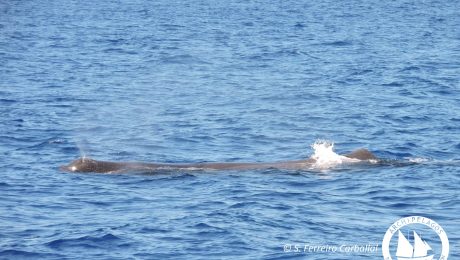
Research on the Sperm Whale Populations in the Eastern Aegean Sea
Wednesday, 08 November 2017
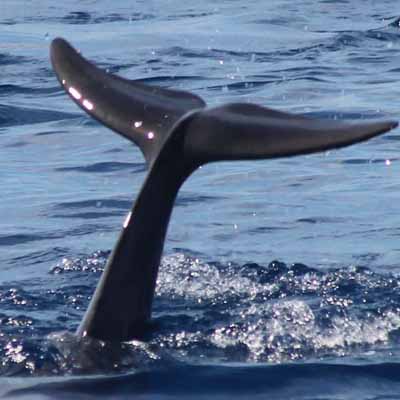
Archipelagos Marine Mammal Team has been monitoring the population of Sperm Whales (Physeter macrocephalus) in the north Aegean Sea for over 17 years. Physeter macrocephalus is the biggest species of Odontoceti – toothed whales. A female can reach approximately 12 m and the male 18 m in length. The large head occupies one-third of the
- Published in Intern Experience, Marine Mammal Team, Work Journal
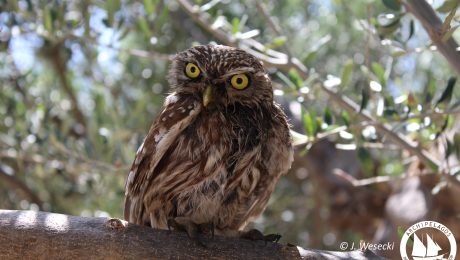
Researching Fauna on Ikaria Island
Tuesday, 07 November 2017
Archipelago’s Terrestrial Conservation Team is carrying out extensive field research on Ikaria Island on the highly biodiversity flora and fauna of the island. Monitoring aims to link past data of the research carried out on the island in previous years, and currently a series of monitoring surveys are ongoing since beginning of the summer. The
- Published in Intern Experience, Terrestrial Conservation Team, Work Journal
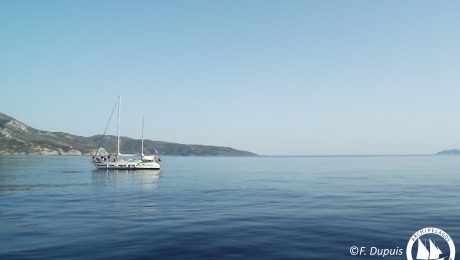
Underwater Acoustics: An Invaluable Tool for Cetacean Conservation
Tuesday, 07 November 2017
The sea gives out the illusion of a serene place to either relax or work in. The tranquility of the sea depth is what most of us expect to hear and see. However, the open seas are realistically noisy and contaminated. Archipelagos Marine Mammal team is working to prove how noisy the Aegean Sea and
- Published in Intern Experience, Marine Mammal Team, Work Journal
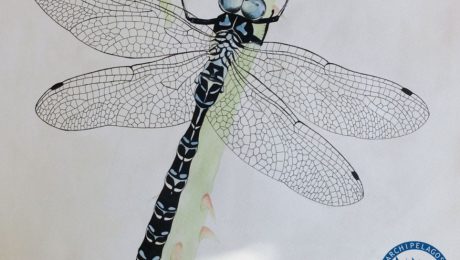
The Importance of Scientific Illustrations
Thursday, 12 October 2017
Our generation is accustomed to having easy access to high quality images of everything, at nearly no expense and in no time at all. Despite of this, scientific illustrations are still needed because of only a very small detail can help differentiate one species from another. Hence scientific illustrations are useful as they can be
- Published in Intern Experience, Media Team, Terrestrial Conservation Team, Work Journal
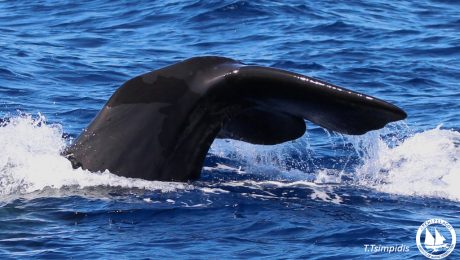
Extensive Monitoring of Whale and Dolphin Populations
Wednesday, 04 October 2017
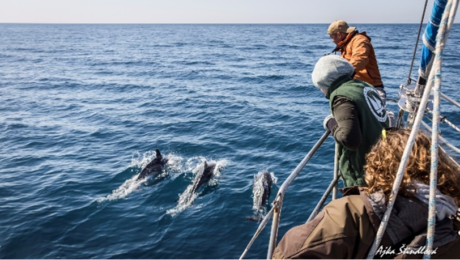
The ideal weather conditions allowed the Archipelagos Marine Mammal Team to carry out an extensive survey in the waters north of Samos and Ikaria Islands during the past week. The Team spent several days in the sea with the aim to have an updated census of the cetacean species present in the study area. At the
- Published in Intern Experience, Marine Mammal Team, Work Journal